Explore the best places


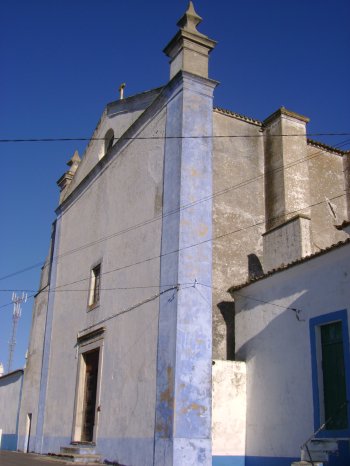
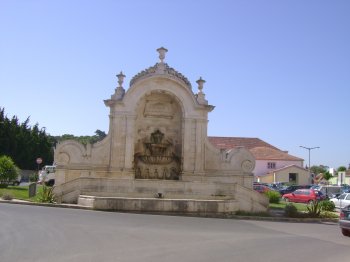
Chafariz das Cinco Bicas
- heritage
Rua do Diário de Notícias
2500, Caldas da Rainha
Fountain with a sharply carved stone back. The central body is topped by pinnacles and flanked by volutes. Water flows from five spouts into a niche with three superimposed bowls.
Museu do Hospital e das Caldas
- heritage
Rua Rodrigo Berquó
2500-246, Caldas da Rainha
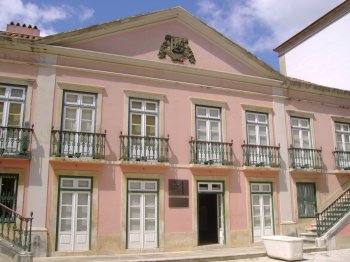
Housed in the former "Royal House" (so named because it was home to Queen Saint Isabel), this museum worked as a hospital for many years. In 1861, it underwent rehabilitation works, overseen by the engineer Pedro José Pezarat, and began serving as accommodation for the institution's directors and the royal family. In 1992, it underwent further renovations, transforming it into a museum.
Parque Dom Carlos I
- country
- leisure
Rua Doutor Manuel Freire da Câmara
2500, Caldas Da Rainha
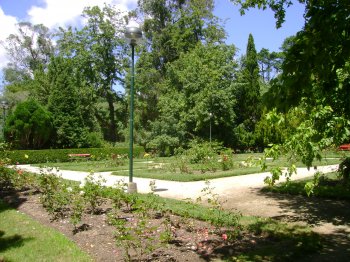
Formerly a garden supporting the Thermal Hospital, the D. Carlos I Park, a true green lung of Caldas da Rainha, has extensive trees and lawns. Since its inauguration in 1892, it has been considered a traditional public promenade in the city, both for its recreational aspect (the lake has recreational boats) and for its cultural aspect (the space next to the José Malhoa Museum is used for exhibitions).
Edifício do Hospital Termal Dona Rainha Leonor
- heritage
Largo Rainha Dona Leonor
2500-174, Caldas da Rainha
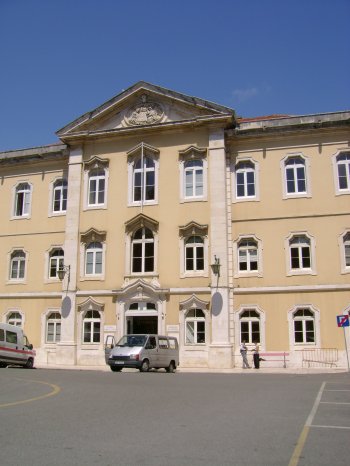
A building of Pombaline and Neoclassical architecture, with construction and repairs in the 15th, 18th, and 19th centuries. From early on, visitors were attracted by the British-style architecture of the thermal baths, where the largest structure is the Thermal Hospital. A complex dating from 1485, sponsored by the wife of King João II, Queen Leonor. It is considered one of the first works of what would later be called the "Manueline style".
Igreja Nossa Senhora do Pópulo / Igreja Matriz das Caldas da Rainha
- heritage
Largo Conselheiro José Filipe
2500, Caldas da Rainha
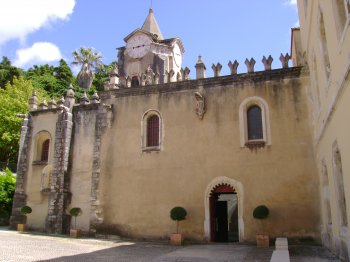
Manueline construction, built to be the chapel of the hospital founded by Queen Leonor. A single-nave church with a square chancel featuring a star-shaped vault. Highlights include the triumphal arch, the vaulted ceiling, the decorated bosses, the 16th-century wood paintings, the baptismal font, and the 17th-century tiles. Also noteworthy is the Mannerist altarpiece in stonework, within a triumphal arch, of Serlian influence.
Museu da Cerâmica
- heritage
Rua Ilídio Amado
2504-910, Caldas da Rainha
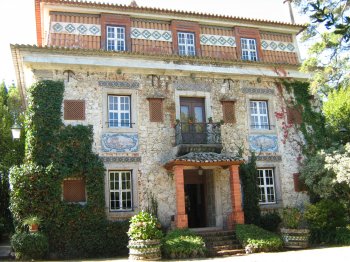
The Ceramics Museum was officially created in 1983 and is housed in the Quinta Visconde de Sacavém estate, acquired for this purpose by the State in 1981 and located in the historic area of Caldas, near the former Bordalo Pinheiro factory. The estate was built in the 1890s by the 2nd Viscount of Sacavém and consists of a small palace in a Romantic Revival style, a secondary building, and a garden area. The gardens, with their romantic design, constitute an interesting ensemble evocative of the taste of the late 19th century, with their avenues, flowerbeds, and lakes, and the ceramic …
Museu José Malhoa
- heritage
Parque D. Carlos I
2500-109, Caldas da Rainha
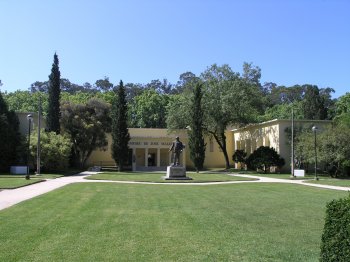
Created in 1933, this was the first museum built from scratch in Portugal, designed by architects Paulino Montês (1897-1962) and Eugénio Corrêa (1897-1985). The José Malhoa Museum displays the largest collection of works by its patron and an important collection of 19th and 20th-century paintings and sculptures. Completing the collections are a section on Caldas da Rainha ceramics – centered around the importance of Rafael Bordalo Pinheiro's work for local faience – and the unique set of 60 terracotta sculptures of the "Passion of Christ" – an open-air sculpture collection, and an art library with over 5,000 items.
Barragem do Divor
- beach
- country
Barragem do Divor
7040, Igrejinha
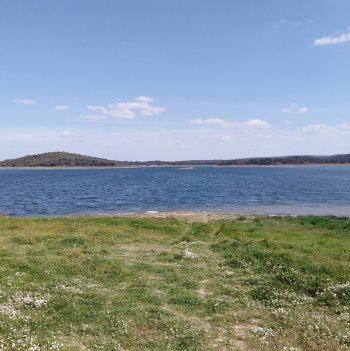
Dam located in an area of cork oak and holm oak woodlands, on the Ribeira do Divor, in the Tagus Basin. Carp, largemouth bass, and perch are the most common fish species. Sports and leisure activities are restricted.
Igreja do Espírito Santo
- heritage
Praça Doutor Teófilo Salvado, 10
7040-621, Vimieiro
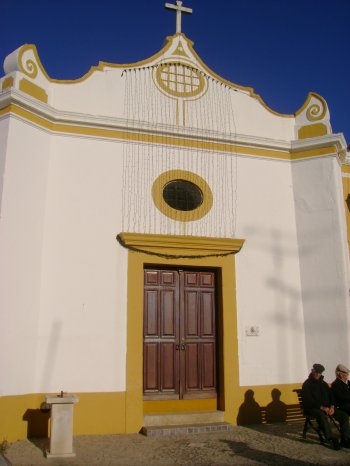
A typical church of the simple regional architecture, consisting of a rectangular floor plan and a homogeneous gable roof. It was built in 1560 and underwent renovations in the 18th century.
Convento de São Francisco
- heritage
Rua dos Combatentes da Grande Guerra, 17
7040-023, Arraiolos
The former convent, renovated after the 1755 earthquake, features a single-nave church dating from the 17th century.