Explore the best places
Results for Mosteiro dos Jerónimos in Portugal


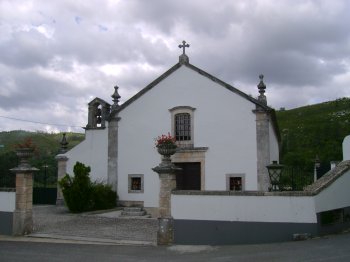
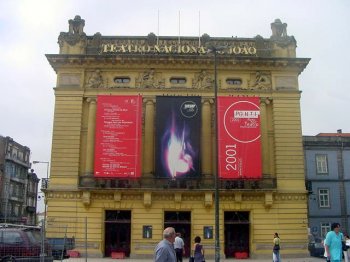
Edifício do Teatro Nacional de São João
- heritage
Praça da Batalha
4000-102, Porto
The São João Theatre was open in 1798, at the present Praça da Batalha. This theatre, which became the binding meeting point to the romantic generation, was destroyed by a fire in April, 1908. Nowadays, the Companhia Nacional do Teatro São João, totally rebuilt by Marques da Silva, is one of the main buildings in the city and stage for the most important cultural shows of the city.
Fojo do Lobo do Avelar
- heritage
Montalegre
5470, Montalegre
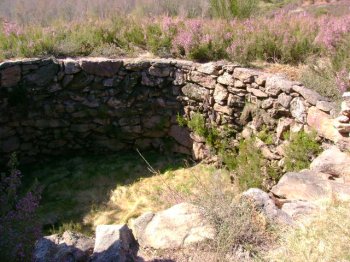
The Fojo do Lobo of Avelar is one of the great points of interest in Montalegre, making part of the trail of the Ourigo. This is a hunting trap for wolves, consisting of two stone walls that converge into a hole empedrado about 2 feet tall, in which animals would fall after beset by popular. Covered in vegetation, also recalls the times when the Wolf was feared in Sierra.
Igreja e Convento das Domínicas
- heritage
Rua Doutor Bento Cardoso, 45
4810-433, Guimarães
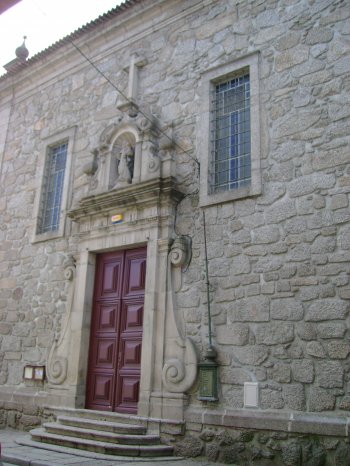
Work founded in early 17th century by Fr. Sebastian, Prior of the convent of São Domingos de Viana do Castelo. In the 18th century, the Prioress Mother Catherine das Chagas sent to the current works of stones. Include the set of altarpieces and pelmets in Baroque gilded rocaille organ and an image of Christ, about the font, dating from the 16TH century.
Núcleo Urbano de Vila Viçosa
- heritage
Vila Viçosa
7160-253, Vila Viçosa
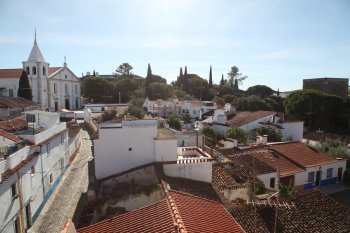
After the reconquest, at the end of the 13th century, there was a military reorganization, of which this set of medieval nuclei with the respective walls is part. This village knew two urban extensions, the second being, in the 16th century, the one that brought an increase in construction. It was at this time that, for example, the Ducal Palace was built. Fortunately, this expansion was taken care of, having Terreiro do Paço as a starting point.
Palácio de Gama Lobos
- heritage
Rua Nossa Senhora de Fátima, 205
8100, Loulé
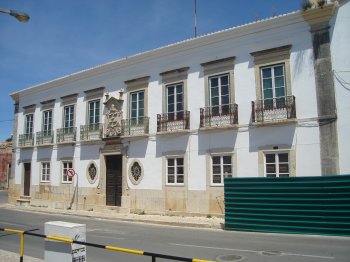
The Gama Lobos palace is a noble house, with a coat of arms, dating back to the second half of the 18th century, and is the most expressive example of that period in Loulé. It is also known as the Palácio dos Espanhóis (Spaniards Palace), because ot shelterd the Spanish refugees during the Civil War. Currently, the House of Music of the municipality of Loulé and the Music Conservatory of Loulé are installed here.
Postigo do Carvão
- heritage
Rua da Fonte Taurina, 24
4050, Porto
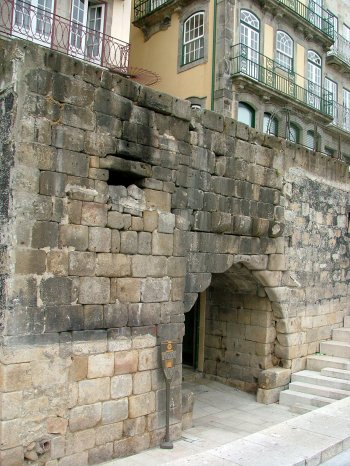
This was, with its iron railings, one of the medieval entrances in the city. Located between the Rua da Fonte Taurina and the Cais da Ribeira, under the Muro dos Bacalhoeiros, this is the only wicket belonging to the XIV century medieval wall that still stands nowadays. It is in a quite hidden place, between the Rua da Fonte Taurina and the Cais da Estiva or Alfândega Velha.
Paço de Lanheses
- heritage
Largo Capitão Gaspar de Castro
4900-185, Viana do Castelo
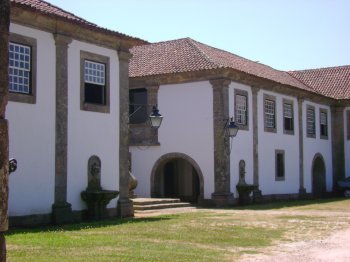
Late-Baroque Manor House, dating from the time pombalina, composed of two dissimilar bodies, of two floors, with chapel located near the larger body. Casa do Paço was founded in the 15th or 16th century, while the chapel was probably built in the first half of the 18th century. In 1997, this Palace opened to the public as the unit of Turismo de Habitação.
Trilhos do Sol - Ecocamping
- hotels
Rua Dr. Ruy de Andrade
2090-310, Alpiarça
Located in the vicinity of the dam of the Patugos, the parque de campismo de Alpiarça offers numerous services and facilities such as bar\/restaurant, swimming pools, in order to provide a pleasant stay. Offers you also the possibility to do hiking or cycling on the banks of the Tagus River. Also the Museum of bigeye tunas and the nature reserve of the Sorraia horse, as points of interest to visit.
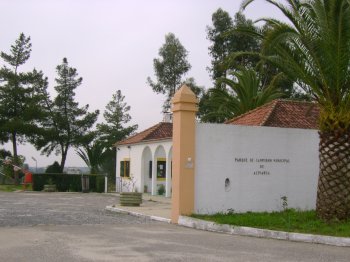
Santuário da Nossa Senhora do Pilar
- heritage
Monte do Pilar
4830-343, Póvoa de Lanhoso
This chapel is placed next to a fort in Lanhoso and it is composed by five chapels of the Way of the Cross representing some of the stcenes of the Golgotha drama. The image of the Saint has its origins on the Sanctuary in Monte do Pilar in Vila Nova de Gaia and it arrived at Póvoa de Lanhoso in 1680 through the devotee André da Silva Machado a wealthy merchant from Valdemil.
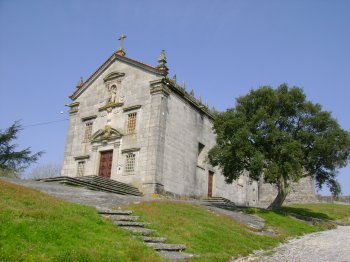
Santuário de Nossa Senhora do Fetal
- heritage
Rua Nossa Senhora do Fetal
2440, Reguengo do Fetal
The Sanctuary of Nossa Senhora do Fetal is composed by a small church and a cemetery, both built on the 16th century. Here is where the Holly Spirit festivity takes place, based on the story of a child that shepherded the cattle and begged for bread to survive. Hence, in this festivity everybody receives bread, sponsored by the “emperor”, someone that made a promise and as a consequence has to bear all the expenses.