Explore the best places
Results for PROBLEMGO.COM d Fréiloossung vu mengem Jong kafen in Portugal


Guindalense Futebol Clube
- food & drink
Escada dos Guindais, 43
4000-337, Porto
Guidalense Futebol Clube is a mythical terrace located in the historic heart of the city of Porto. Surrounded by the D. Luís Bridge, the Guindais stairs and the Fernandina Wall, with the Porto Cathedral just a few meters away, it stands out for its superb views over the Douro River and is a perfect place to enjoy the end of the day, with a beer and a "francesinha" or any other snack. For many people from Porto it is a mandatory stop on São João festivities.

Aqueduto das Águas Livres
- heritage
Rua Dom Diniz
1685, Famões
Belonging to the set attached to the Águas Livres Aqueduct, an aqueduct, in stone, created to get water to the Terreiro do Paço de Queluz for consumption of the Royal Mews. The work was created in the place of two sources: the source of Gargantada and do Pocinho and served several fountains and fountains in Queluz. Built by d. João V, in 1731, was only to be done in the mid-19th century. The main section is 14 kilometres in length, of which eight in the municipality of Amadora.
Igreja de São João Evangelista das Carmelitas
- heritage
Praça do Marquês de Pombal
3810-133, Aveiro
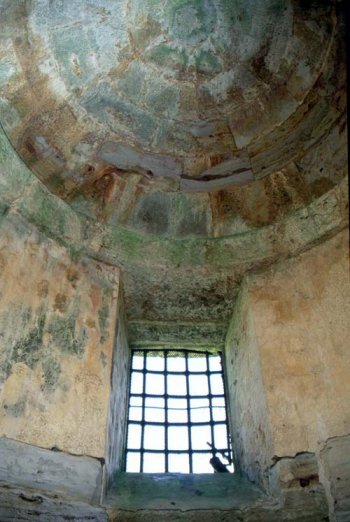
The construction began in 1610 as the Paço de D. Brites Lara (Palace), and in 1657 the Ordem das Carmelitas feminine convent, space where the church is integrated, was built. By the end of the XVII century the pulpits were built and the dressing in golden woodcarving began. In the next century the referred woodcarving was combined with azulejos (glazed tiles) from the Vital Rifarto factory. Already at the XX century, the building suffered repair works, being classified as National Monument.
Igreja da Misericórdia de Oleiros
- heritage
Rua Dr. Francisco Rebelo de Albuquerque
6160-413, Oleiros
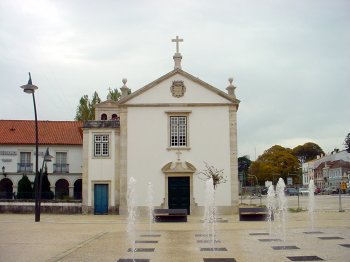
Religious architecture built during the reign of D. Manuel I, with a single nave and niche on the main facade, on which appears the inscription with the date 1714, which probably indicates the year in which the reconstruction works were completed. Inside you can see the national style gilded altarpiece and the images of: S. João Evangelista, Nossa Senhora das Dores, Senhor dos Passos and Senhor Morto. These images are life-sized and highly expressive.
Mosteiro de Grijó
- heritage
Alameda do Mosteiro Grijó
4415-998, Vila Nova de Gaia
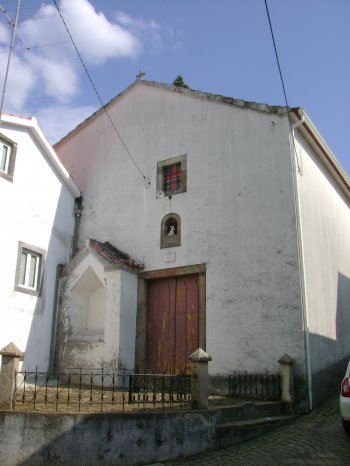
The primitive monastery, called Monastery of São Salvador de Grijó, was founded in 922 in the place of Muraceses. It was only in the year 1112 that it was moved to its current location. In 1770 the convent was extinguished, passing its assets to the Convent of Mafra. Of note are the gilded carvings and the 18th century tiles in the chancel, as well as the pipe organ, from the end of the 18th century and beginning of the 19th century. Also noteworthy is the tomb of D. Rodrigo Sanches, classified as a National Monument.
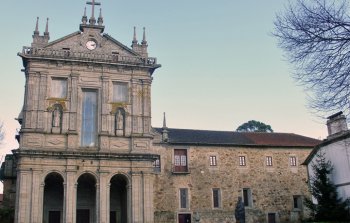
Alegrete
- country
- heritage
Alegrete
7300-311, Portalegre
Village with origins that go back to the D. Dinis Reign, when it was inhabited. Besides its interesting historical value, the Alentejo characteristics also stand out in its constructions, namely the white row of houses. As for the architectonical patrimony are worthy of notice the Alegrete castle, National Monument, the clock tower, the parish church of S. João Baptista, a construction from the XVI century, the bandstand, the ruins of the S. Pedro chapel and the Misericóridia chapel, dated from the XVII century.

Pestana Bahia Praia
- hotels
Praia de Água d'Alto, Apartado 8
9680-365, Água d'Alto
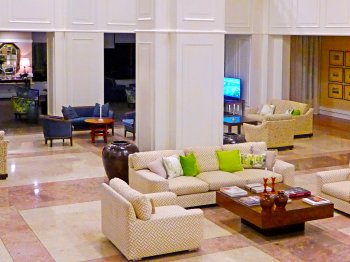
O Pestana Bahia Praia é um hotel 4 estrelas localizado no Arquipélago dos Açores, na ilha de S. Miguel, com acesso direto à Praia Baia de Água d ´Alto e com uma fantástica vista para o oceano Atlântico. A Ilha de S. Miguel é a maior do arquipélago e tem uma forte ligação ao mar e à natureza.
Jardim do Paço
- country
- leisure
Rua Bartolomeu da Costa, 5
6000-773, Castelo Branco
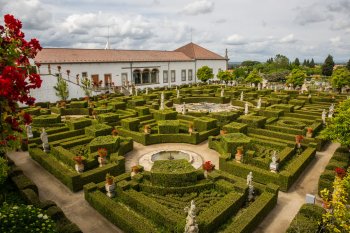
Classified as a national monument, it is one of the ex-libris of the city and one of the most original examples of the Baroque style in Portugal, having been built at the behest of D. João de Mendonça, Bishop of Guarda, around 1720. It features five lakes on the main slope, where the water features stand out, while the intermediate one has the Lago das Coroas and the Stairs of the Apostles and Kings, where all the Portuguese monarchs are represented. On the upper deck is the Staircase of Moses.
Sea Life Porto
- leisure
Rua Particular do Castelo de Queijo
4100-379, Porto
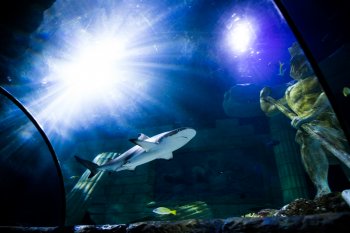
Situated next to Plaza Gonçalves Zarco, one of the noblest areas of town, the SEA LIFE Porto is the ideal choice for a day of leisure and entertainment, family or group of friends. This space offers a fascinating journey through rivers and oceans. While browsing from the source of fresh water of the River Douro to the directions to Atlantic tropical seas, prepare to be surprised by notes like the Douro slopes terraces, the historical Ponte d. Luis I, or the traditional facades of buildings.
Casa Amarela
- hotels
Praça Dom Pedro V, 11
7320-113, Castelo de Vide
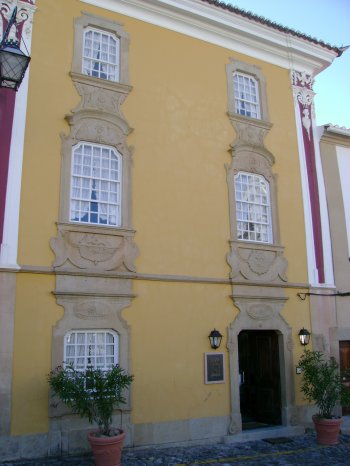
Located in the Centre of Castelo Vide, the Yellow House is a small solar, whose construction dates back to the 17th century and is classified as a Building of public interest. Its main facade of yellow ochre stands out in the square d. Pedro V evading patterns of Castelo de Vide. Near the House you can also visit the Chiesa Madre (mother church) of Santa Maria da Devesa, one of the largest religious temples of the Alto Alentejo.