Explore the best places
Results for Palácio da Pena in Portugal


Museu de Alberto Sampaio
- heritage
Rua Alfredo Guimarães
4800-407, Guimarães
Created in 1928 to house the artistic collection of the extinct Collegiate Church of Nossa Senhora da Oliveira and other churches and convents in Guimarães, here you can see objects of local origin and ancient sacred art, namely collections of sculptures (architectural, large and tomb). , from the medieval period to the 18th century; a jewelery collection; a collection of paintings from the 16th to 18th centuries; tiles and faience, among others.
Aveiro Rossio Hostel
- hotels
Rua João Afonso de Aveiro, 1 - Praça do Rossio
3800-273, Aveiro
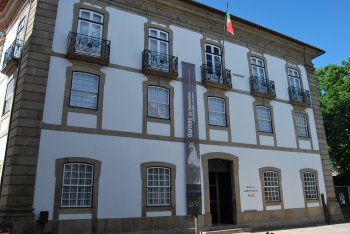
This is the first hostel in the city of Aveiro, opened in July 2009. Located in one of the common areas of the city, near the canal da ria de Aveiro, offers 39 beds distributed across eight rooms and two suites with private bathroom. The rooms ' names allude to the city and to their traditions, like the room, the room Salinas Moliceiro and soft eggs. It also has a living room, a kitchen, a patio and a terrace.
Casa das Azenhas
- hotels
Rua Cimo do Povo, 5
5360-470, Vila Flor
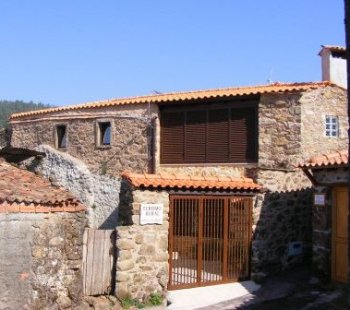
House with exterior transmontana typically in schist and granite and Brown wood interior. It was built in the early 20th century and is located in the village of Vilarinho das Azenhas. It offers seven rustic and cosy rooms, a wine cellar transformed into tasquinha, a dining room and a kitchen where traditional Italian dessert made from dark rye bread and delicious baked goods. Abroad, there is also a nice garden with swimming pool.
Casa Sabores da Fraga
- hotels
Rua Fundo do Lugar - Souravas
3220-513, Vila Nova
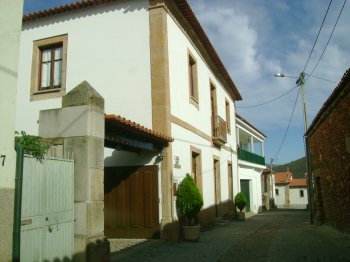
Half the slope of Serra da Lousã, about 586 metres above sea level, the village house flavours of Fraga is a building typically serrano, in granite. Souravas, the village where it operates, meaning "water", referring to its privileged natural environment. There you will enjoy a complete rest and quiet, magnificent views, an intimate contact with nature and hospitality of the village folks. The ideal place for a weekend or a getaway home.
Quinta das Lágrimas
- heritage
Estrada das Lágrimas
3040-266, Coimbra
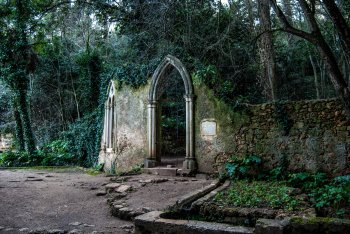
The importance of this place is mainly related to the love story of Don Pedro and Lady Inês de Castro. It's worth highlighting the romantic beauty of the Quinta, the rarity of some botanical specimens (some classified as trees of national interest), the Gothic window, and the fountain, believed to be the Fountain of Love sung about by Camões. The Solar da Quinta, built in the 18th century by the Osório Cabral family, currently houses a charming hotel.
Parque de Campismo Orbitur - Gala
- hotels
EN109, km 4
3090-380, Figueira da Foz
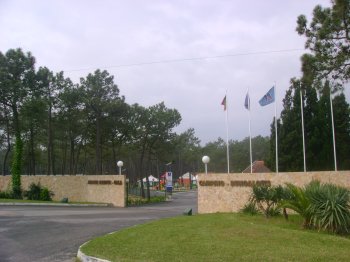
The campsite is located Gala in Figueira da Foz, enjoys a location exceptionally located, with direct access to magnificent sandy beaches. Has all the conditions and facilities to offer you pleasant moments, taking advantage of the best that nature has to offer. In the pauses of the beach, explore the cultural and historical heritage. Pay a visit to salinas and the Ecomuseum of salt, to House the Palace or Museum Dr. Santos Rocha, among other attractions.
Parque de Campismo Orbitur - Valado
- hotels
Rua dos Combatentes do Ultramar, 2 - EN 8-5, km 9
2450-148, Nazaré
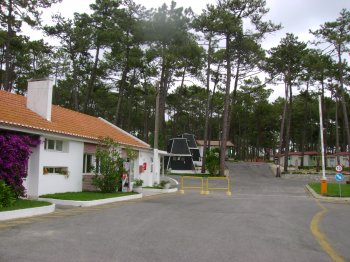
The campsite of Valado, located in Nazareth, within walking distance of the sea and the beach, is a haven of nature, where you can rest quietly, far from the confusion. Presents excellent conditions for cycling or even walking while enjoying the stunning scenery of this area. Alternatively you have the possibility to visit the sanctuary of Nossa Senhora da Nazaré, Archaeological Museums, ethnographic and religious art, among other attractions.
Parque de Campismo Rural da Serra de Montejunto
- hotels
Lamas
2550, Lamas
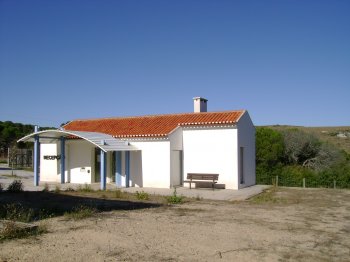
The Parque de Campismo Rural da Serra do Montejunto, situated in a privileged area in terms of natural landscape, is a space where you can rest and relax in the fresh air. Here you will have the opportunity to observe several species of birds, flowers and plants only. Highlights also include the various circuits and footpaths available that can explore as well as the caves and other monuments of serra do Montejunto.
Poço das Freitas
- beach
- country
Poço das Freitas
5460, Nogueira
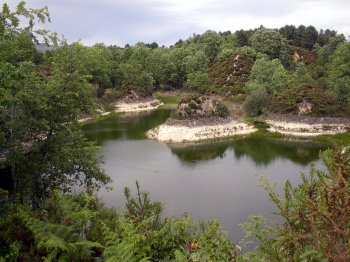
Traces of large gold holdings, active by vast periods, especially in the Roman period, medieval and modern, admitting that might have known exploration at a time more remote, in Proto-history. Are visible evidence of large open excavations, numerous cut mining galleries and heaps, over a wide area. One of the areas form a pond, which have given rise to the name of the place, "Poço das Freitas".
Lagoa Negra
- beach
- country
Lagoa Negra
9960-030, Lajes das Flores
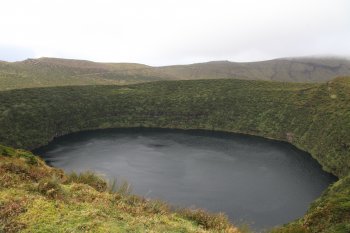
This is one of many existing ponds on the island of Flores. Belong to the set of Seven Lakes that were formed into seven volcanic craters caused by the eruptions that gave rise to the island. The remaining ponds of this set are the White Pond, Long Pond, a shallow lagoon, Lagoa da Lomba, Deep lagoon and the Lagoa Seca. Its name comes from its dark waters due to depth, which reaches the 100 meters.