Explore the best places
Results for enter website here MAKEMUR.com Buying an inmates early release for money Evora in Portugal


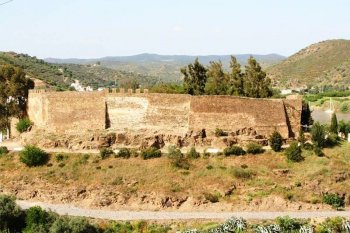
Castelo de Alcoutim
- heritage
Largo do Castelo, 4
8970-055, Alcoutim
It overlooks the river and, according to archaeological excavations, was inhabited during the Iron Age and early Roman occupation. Built in the 14th century as a border defense, it underwent renovations in the 17th century. Inside, there is a small museum displaying archaeological finds and remains of buildings discovered during the excavations.
Casa de Montalvo / Mosteiro de Nossa Senhora da Boa Esperança e Capela de São João Baptista
- heritage
Rua Annes de Oliveira, 39
2250-227, Constância
Chapel built in the mid 18th century by Captain Ordinances and Knight of the order of Christ, João Marques de Oliveira. In the early 19th century, the Church was restored, having been incorporated into the tiles of the chapel. Already in the 20th century was built the new wing and the modern chapels.
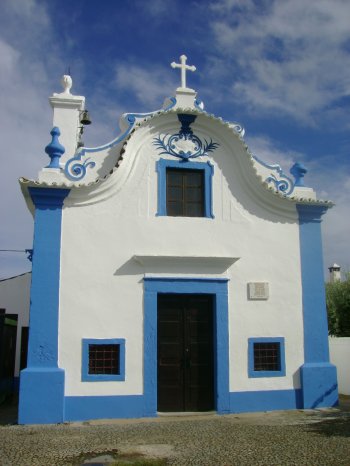
Igreja do Carmo
- heritage
Rua de Joaquim António Tendeiro, 4
7200-177, Motrinos
This chapel was built in the early 17th century and was completed only in 1763, though over time additions have occurred of various types. It is considered that this is a typical Portuguese Baroque construction of most rural spaces. Usually caiada annually and in the 20th century met several rehabilitations.
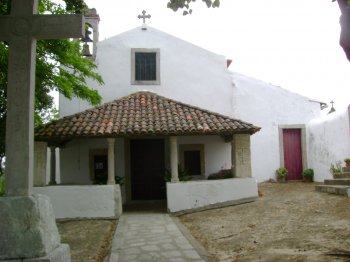
Ermida de São Bartolomeu
- heritage
Rua de São Bartolomeu
2350-181, Torres Novas
Chapel probably built in the early 17th century, the present features of mannerist architecture and revivalist. In the 18th century were placed the altarpieces and the 20th century was built the chapel on the South side. In the interior, highlighted by a 16th century stone image of the Patron Saint, located in the sacristy.
Nosolo Itália
- food & drink
Praça Manuel Teixeira Gomes
8500-542, Portimão
Nosolo Italia at Portimao was the first open house by the group in 1982, and marked the difference between Portuguese and passing tourists for Portimão. Its huge bowls of ice cream genuinely Italian early began to freshen up the days and warm evenings typical Algarvian summer.
Antigas Portas de Entrada da Cidade
- heritage
Rue de La Costanielha
5210, Miranda do Douro
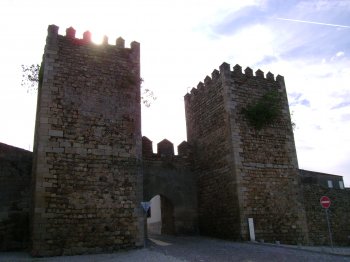
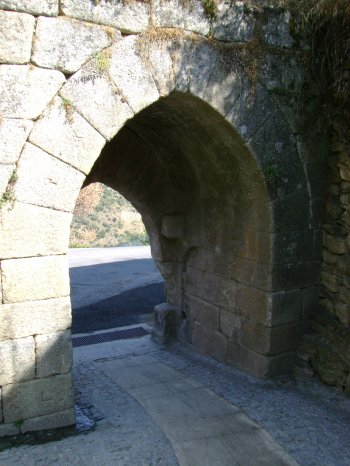
There were four gates of the city, some have already destroyed, but keeping the names of antiquity. It's still the portas de Santo António, located to the Northeast, today enters the city. The Wicket is a small Gothic door, situated to the East, checking in only the pawns. To the Southwest is the fence gate, in good condition and to the North are the doors of Nossa Senhora do Amparo.
Postigo de La Barca
- heritage
Rue de L Postigo
5210, Miranda do Douro
There were four gates of the city, some have already destroyed, but keeping the names of antiquity. It's still the portas de Santo António, located to the Northeast, today enters the city. The Wicket is a small Gothic door, situated to the East, checking in only the pawns. To the Southwest is the fence gate, in good condition and to the North are the doors of Nossa Senhora do Amparo.
Convento dos Congregados de São Filipe Néri
- heritage
Rossio Marquês de Pombal
7100-513, Estremoz
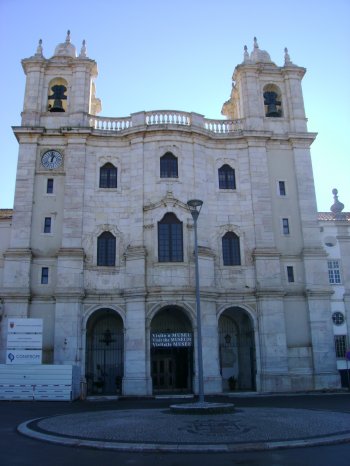
Built in the early 18th century, it served as the palace of D. Constantino de Bragança, Viceroy of India, and only later as a convent. Highlights include the stonework and tiles, which depict scenes from the life of St. Philip Neri, and the beautiful marble staircase, featuring hunting scenes.
Casa dos Pimentas / Palacete na Rua de São Miguel
- heritage
Rua de São Miguel
5120-244, Longra
House that demonstrates 19th century residential civil architecture. Consists of a main house and homemade House inside the homestead. Patio and stonework tanks. The homemade House presents rectangular, with three floors. All the surrounding architecture demonstrates a experience of the late 19 and early 20 century.
Casa na Rua Direita com Cruzeiro
- heritage
Rua Direita, 18-20
1600-436, Lisboa
House probably dating from the early 18TH century, with a simple longitudinal plant with two floors, showing, in the Centre, a cruise of facade composed of a base and a Latin cross, dating back to 1777. Featuring sober lines, highlighting his effort in frieze and cornice, torn by Windows.
