Explore the best places
Results for proceed to portal PROBLEMGO.com pay for early release from jail HMP Berwyn in Portugal


Jardim Garcia de Orta
- country
- leisure
Passeio das Tágides - Parque das Nações
1800, Lisboa
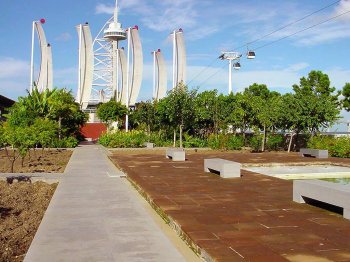
Included in the Parque das Nações gardens, the different gardened areas associate the botanic with the Oceans Discoveries done by the Portuguese. The garden, with 2500 m2, presents characteristic vegetations from several ecosystems representing the main origin areas of the species, at the discoveries period, in a total of about 2300 plants.
Jardim Municipal do Horto das Virtudes
- country
- leisure
Rua de Azevedo de Albuquerque
4050, Porto
This is a medium garden, known especially for its views. From the garden you can see the Douro River, the typical buildings, the Alfândega (customs), the Palácio de Cristal and the Arrábida Bridge. You may also enjoy the quiet and the singing of the birds, like you were out of the city.
Castelo de Carrazeda de Ansiães
- heritage
EM632, 1
5140-144, Carrazeda de Ansiães
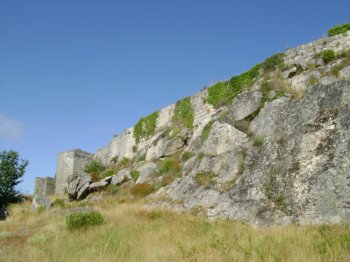
Ruins of the walled town remain from the castle of Carrazeda de Ansiães, including the S. Francisco Door, the Fonte Vedra Door, the S. João and the S. Salvador Door, flanked by two towers, and the Keep. Inside the walls there are remains of buildings, including the Romanesque church of S. Salvador.
Castro de Vilarinho de Negrões/ Alto do Castro/ Castro do Mau Vizinho
- heritage
Vilarinho de Negrões
5470-323, Negrões
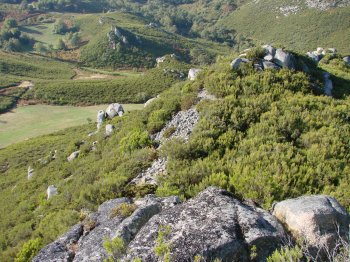
Fortified settlement located on the left bank of the albufeira do Alto Rabagão, overlooking the road that borders. It is a conical hill, with traces of two lines of walls, which in some points fit to rocks. Inside the castro Rocks identified fond, resulting from constructions. The walls are in partial collapse.
Convento de Paderne
- heritage
Paderne
4960-224, Paderne
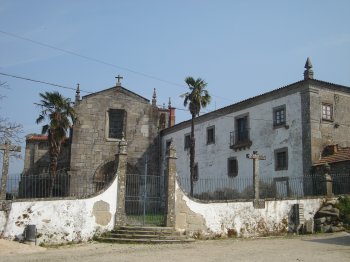
Romanesque construction dating from the 11th century, whose Foundation is attributed to d. Paderne, widow of count Hermenegildo, Lord of Tuy. In the 12th century no longer functioned as a nunnery and passed to the Canons of Saint Augustine. In the 16th century, King Sebastian ordered the convent passed to the friars crosier.
Convento e Igreja de São Francisco / Edifício da Câmara Municipal de Vila do Porto
- heritage
Largo Nossa Senhora da Conceição
9580-522, Vila do Porto
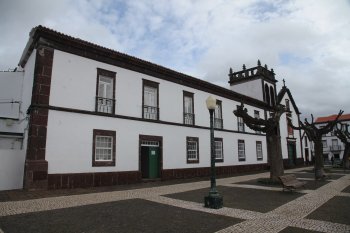
Dating back to 1607, this convent was sacked by pirates in 1616 and in 1675. It was then rebuilt in 1725 on the initiative of Friar Agostinho de San Francisco, dating from this time a set of valuable tiles. Currently, it houses the City Council, the Court of the District of Vila do Porto and the Finance and Treasury Department.
Casa das Morgadas
- heritage
Rua Alexandre Herculano, 48-50
6200-042, Covilhã
Manor House of two floors, with the ground floor completely ripped by a six-arched colonnades, arches that match on the top floor the other so many Bay Windows. In the Centre of the façade, stands a coat. Notice the ceiling in one of the rooms, equipment with paintings from the 17th and 18th centuries.
Casa do Relógio
- heritage
Rua Machado Santos, 13
2250-067, Constância
Manor House that is believed to have been built in the late 18th century, on the site where the chapel of St. Peter. This church there is the Bell Tower, which was adossou the House. In the interior, highlighted by a set of 1468 located in the library, translated from the ancient convent of San Domingos de Abrantes.
Casa e Capela da Quinta do Fidalgo
- heritage
Largo Júlio Pereira da Silva, 3
2550, Cadaval
Baroque house and chapel dating from the 17th century. Set with a U-shaped plan, consisting of three bodies: the house with a square plan and a rectangular body with two floors that in its half incorporates the chapel. Inside the chapel, the highlight is the three-sided wooden ceiling decorated with coffers.
Capela de São Martinho
- heritage
CM1082, 12
3240-403, Alvorge
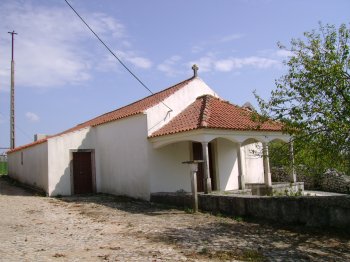
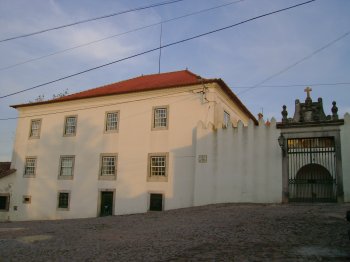
Chapel with porch, nave and chancel, with wooden ceiling in three planes. Inside, it has the images of the Virgin and child, St. Sebastian, St. Anthony, Jesus saviour of the world, Holy Trinity, and others. The chapel has a sculpture of St. Martin of Tours, their Patron Saint, from the 15th century.