Explore the best places
Results for proceed to portal PROBLEMGO.com pay for early release from jail HMP Berwyn in Portugal


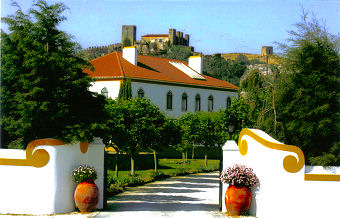
Casa d'Óbidos
- hotels
Quinta de São José
2510-135, Óbidos
House dating from the 19th century, recently restored, with six bedrooms and four well-equipped apartments: Casa Cristina, Casa Matilde, Leonor and Therese. It also has a swimming pool, a tennis court and a beautiful garden, inviting the beautiful walks. Of all the farm you can enjoy, in the distance, the castle of Óbidos.
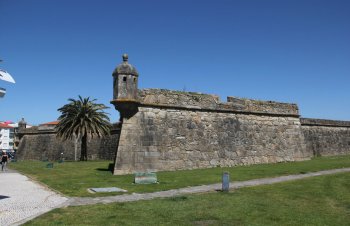
Fortaleza de Nossa Senhora da Conceição / Fortaleza da Póvoa de Varzim
- heritage
Rua Tenente Veiga Leal, 40
4490-586, Póvoa de Varzim
Fortress with a polygonal plan and four bastions. It has sloping and robust curtains. The well-vaulted, flanked gate, crowned by the royal shield and bell tower, faces the village. It was built during the reigns of Dom Pedro II and Dom João V, in the 18th century, in order to defend the coastal area from pirate attacks.
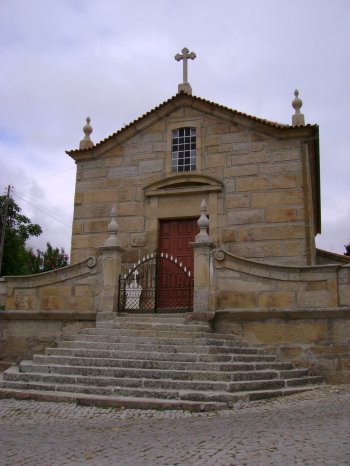
Igreja Matriz da Amoreira / Igreja de Santa Maria
- heritage
Amoreira
6355, Vilar Formoso
Its construction dates from 1614 and was built on a medieval temple that already existed. It consists of nave, Tower belfry, two sacristies and Bell Tower. Inside stands the liturgical furnishings of Mannerist and neo-Gothic type, as well as altarpieces of the chancel, also Mannerist. Highlights also include the painting of triumphal arch and chancel.
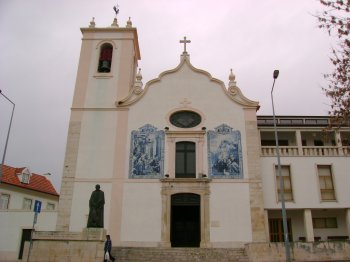
Igreja de Nossa Senhora da Apresentação
- heritage
Largo da Apresentação
3800-106, Aveiro
The Nossa Senhora da Apresentação church is from 1606, being placed, at this time, the baptistery. In the end of the XVII century, beginning of the XVIII century, the façade is decorated with two azulejos panels and the inside is all dressed with golden woodcarving, standing out a gothic virgin, in alabaster. It suffered repair works already in the XX century.
Orca das Castonairas
- heritage
Fráguas
3650-020, Fráguas
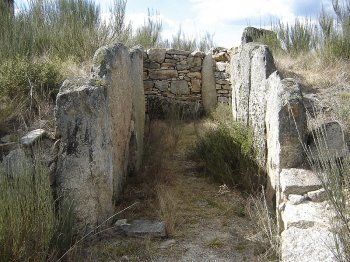
This dolmen of Hall, dating from the Neolithic age End, comprises a polygonal Chamber of nine pillars. It sports an oval grave on land covered with stones, a lobby and corridor access intratumular. The Orca is well signposted, however your access is in poor condition, being advisable to visit this monument on foot or with an all-terrain vehicle.
Igreja da Misericórdia de Coruche
- heritage
Travessa do Hospital, 2
2100-134, Coruche
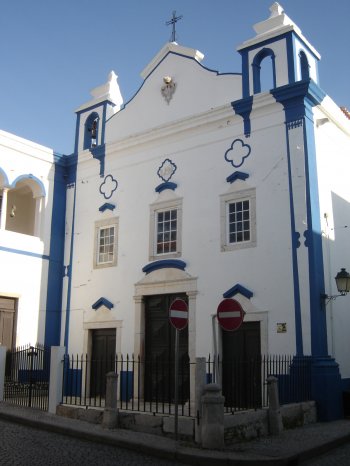
Very old temple, from the 16th century, with a single nave, with a high choir supported by four simple columns and in which there is a pipe organ dated 1803. The main altar does not have a crossing arch and bears in the center the image of the patron saint, Our Lady of Conception. The royal facade has a royal crown.
Igreja da Misericórdia de Torres Novas
- heritage
Largo General Baracho
2350-757, Torres Novas
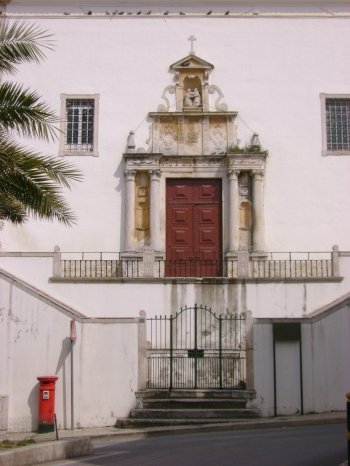
Of the original temple, which underwent modifications in the 17th and 18th centuries, only a Manueline door and a transept remain. The side portico, dating from 1670, is flanked by four Ionic columns. Worthy of note are the tilework, carvings, 17th-century paintings, coffered ceilings, 17th-century paintings, and the 18th-century nativity scene.
Monumento Funerário de Dom João de Noronha
- heritage
Praça de Santa Maria
2510-002, Vila de Óbidos
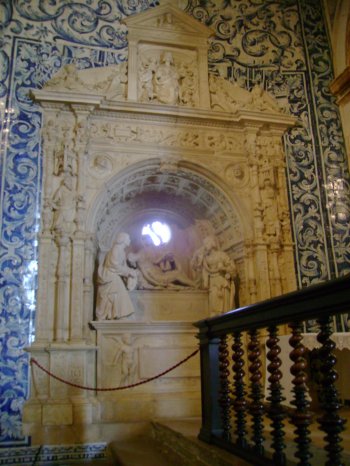
This is a Renaissance sculpture ensemble where one can point out the Passion of the Christ symbols sided by the figures of São João and Maria Madalena supported over a tomblike arch. Some authors defend that the silhouette figures initially didn´t make part of the ensemble integrating a primitive sculptures altarpiece from the church.
Praça do Comércio / Praça Velha
- heritage
Praça do Comércio
3000-116, Coimbra
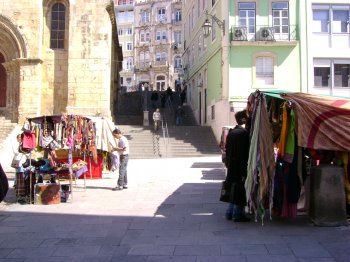
The Praça do Comércio owes its name to the intense commercial activity that it used to have, before the opening of the D. Pedro V Market. At the square ends are the São Tiago Church, Romanic style, and the São Bartolomeu, from the baroque period. Also worthy of notice are the pillory and the XVII and XVIII centuries buildings around.
Paço de Maiorca
- heritage
Terreiro do Paço, 3
3080, Maiorca
This building was constructed by the end on the 18th century with an extensive and simple façade. On the inside it is possible to see valuable trough roofs with ornaments paintings, Pombaline rococo glazed tiles representing themes from rural life. The chapel presents a small altarpiece made of Ançã stone, supposedly created by João de Ruão workshop.