Explore the best places


Fortaleza de Abrantes / Castelo de Abrantes
- heritage
Rua Dom Francisco de Almeida
2200-242, Abrantes
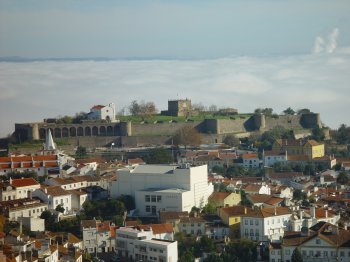
A castle situated on the right bank of the Tagus River, composed of medieval fortifications and bastions. This castle underwent profound reconstructions and changes throughout the centuries, notably in the 17th and 19th centuries. In the 17th century, King Afonso V, fearing an invasion from Spain, ordered the rebuilding of old fortifications. This fortress was considered the key to the defense of the Beiras region and played an important role during the French invasions. It retains the keep and some sections of the wall with round turrets. The vaulted spaces with tiles are particularly noteworthy. The Church of Santa Maria …
Igreja de Santa Maria do Castelo
- heritage
Rua Dom Francisco de Almeida
2200-242, Abrantes
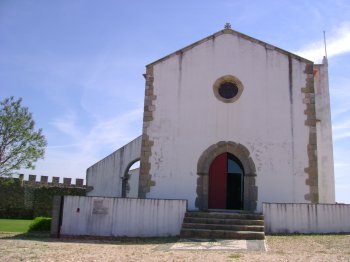
Commissioned by King Afonso II in 1215, this church was destroyed by an earthquake in 1429 and rebuilt from 1433 onwards. In the last quarter of the 15th century, the tombs of Don Diogo and Don Lopo were built here. Of particular note are the Gothic triumphal arch, the 16th-century tombs, the Mudéjar tile panels, and part of the original altarpiece. In 1921, the Abrantes Regional Museum was established here.
Jardim 1º de Maio
- country
- leisure
Praça 1º de Maio
3750-100, Águeda
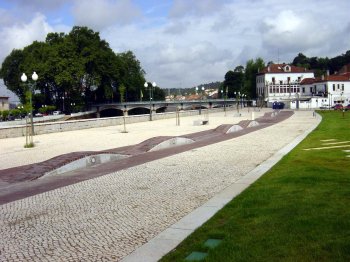
A large grassy park equipped with an open-air amphitheater, a children's playground, and benches. It is a peaceful and pleasant place, overlooking the river, ideal for strolling and relaxing.
Museu Nacional Ferroviário - Núcleo de Macinhata do Vouga
- heritage
Rua Eugénio Gomes Quaresma
3750-593, Macinhata do Vouga
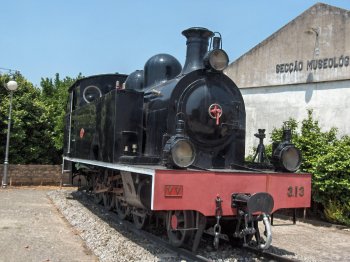
The Museum Centre is located at the second station on the Sernada to Aveiro branch line (in the Vouga Valley), occupying some old, adapted facilities. Here you can appreciate the collection of the National and Vouga Valley railway companies.
Ponte do Vouga
- heritage
EN1
3750-110, Águeda
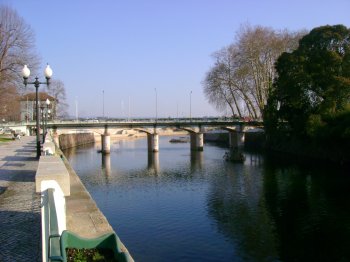
Also known as the Old Marnel Bridge, this bridge consists of a counter-curved deck supported by five arches.
Casa Solar da Quinta da Aguieira
- heritage
Rua do Caminho de Ferro
3750-879, Águeda
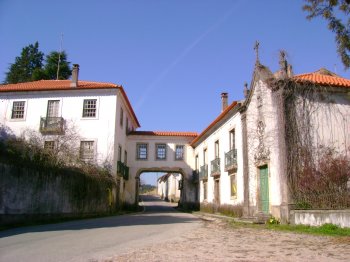
A manor house of vernacular architecture, with an irregular floor plan comprising a residential wing, a chapel, and annexes. These different structures are connected by an enclosed upper passageway with distinct roofs.
Jardim do Cais das Laranjeiras
- country
- leisure
Largo Doutor Elísio Sucena
3750-108, Águeda
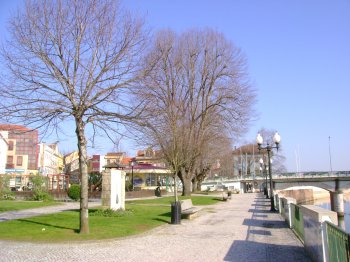
A large, wooded garden facing the Águeda River, with a balcony decorated with several tile panels. These panels represent the 20 parishes of the municipality of Águeda.
Jardim Conde Sucena
- country
- leisure
Rua da Misericórdia
3750-130, Águeda
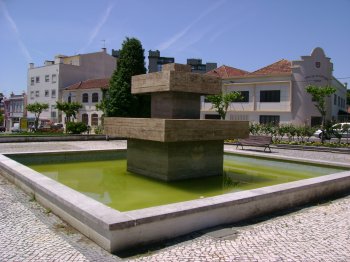
A triangular garden, featuring a lake with a fountain. The surrounding area is paved with Portuguese cobblestones. A pleasant space to spend some leisure time in the city center.
Piscina Municipal de Águeda
- leisure
Rua Engenheiro José Bastos Xavier
3750-144, Águeda
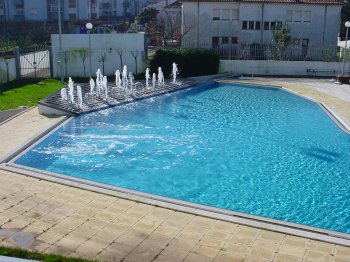
Owned by the Águeda City Council, consists of two indoor swimming pools and one outdoor swimming pool. It also has a hot tub and a sauna.
Rio Águeda
- beach
- country
Fermentelos
3750, Águeda
A river approximately 130 kilometers long, serving as a border between Portugal and Spain for twenty kilometers. It originates in Spain, in the Serra das Mesas mountain range, and flows into the Douro River near Barca D'Alva.