Explore the best places


Praia Fluvial do Alfusqueiro
- beach
Préstimo
3750-689, Águeda
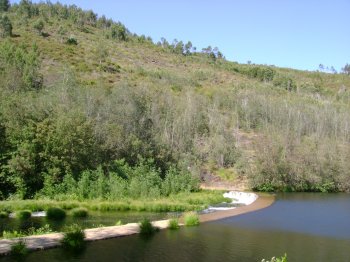
River beach located next to the bridge over the Alfusqueiro River. In several areas, the river forms stretches of sand. The banks have many trees offering shade.
Praia Fluvial da Redonda
- beach
EN336, 912
3750-378, Redonda
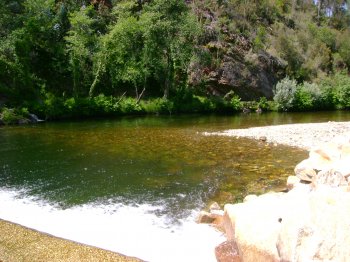
Small river beach with pebble sand and surrounded by vegetation. It is located on the banks of the Águeda River.
Lagoa da Pateira de Fermentelos
- beach
- country
Fermentelos
3750, Águeda
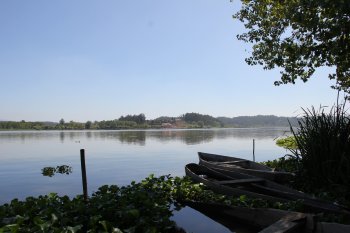
A large lagoon, fed by the waters of the Cértima River and located in the Águeda Valley, also known as Requeixo Lagoon. It is a vast and shallow area with abundant aquatic vegetation, notably bulrush, mainly used in basketry. Among the fish species found here are eel, barbel, and carp.
Estação Arqueológica de Cabeço do Vouga
- heritage
Sitio da Mina
3750-551, Águeda
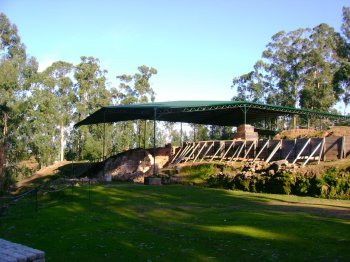
This is a fortified enclosure, named Castelium Marnelis, located next to the Vouga River, on Mile LXXIV of the Roman Itinerary XVI between Braga and Lisbon. Archaeological excavations have uncovered fragmented sections of the wall and four semicircular buildings. Due to the dimensions of the wall, its foundations are visible to the naked eye.
Parque Municipal da Alta Vila
- country
- leisure
Rua Dona Maria Aguiar Seabra Cruz
3750-161, Águeda
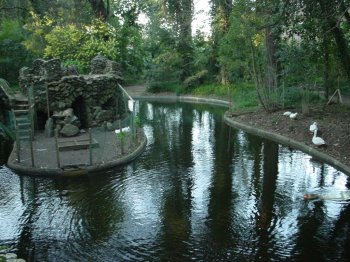
This park is the city's most important leisure space, covering an area of approximately 31,400 m2. It is a densely wooded and landscaped area, featuring a hunting lodge, dovecote, chapel, greenhouse, mini-zoo, tennis court, and an artificial lake.
Parque Fluvial do Souto do Rio
- country
Borralha
3750, Borralha
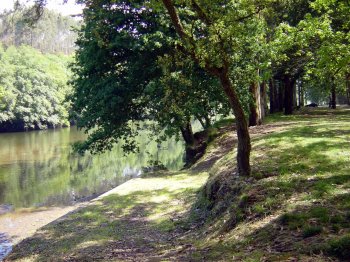
A large, heavily wooded park situated on the riverbank. It is equipped with picnic tables and benches and features a pleasant river beach.
Escadas do Adro
- heritage
Viela dos Padres
3750-178, Águeda
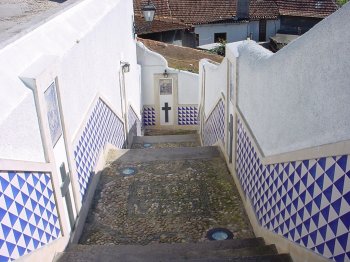
A staircase paved with Portuguese cobblestones where one can see several tile panels depicting the Stations of the Cross.
Praia Fluvial de Vau
- beach
Canelas
4540, Canelas
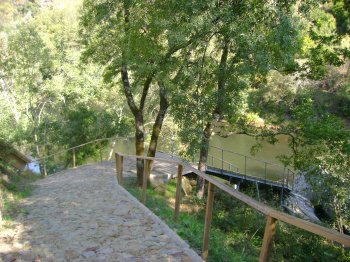
Located within the protected area of the Arouca Geopark, the Vau river beach is one of the most appealing areas to enjoy the beauty of the Paiva River. It's a paradisiacal spot ideal for water sports and adventure activities.
Carreira dos Moinhos
- heritage
Carreiros
4540-026, Carreiros
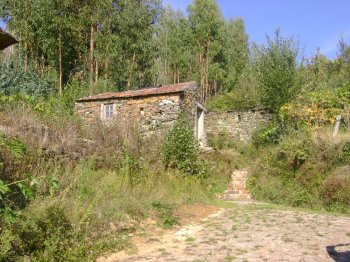
This heritage site is believed to be unique in the country, due to the way the 17 windmills are arranged in a row. Located in the parish of Alvarenga, the windmills, built of schist and covered with slate, are beautiful examples of the region's traditional architecture.
Capela da Santa Casa da Misericórdia de Arouca
- heritage
Praça Brandão de Vasconcelos
4540-110, Arouca
Chapel built in 1612, very rich in its iconographic program, where Evangelists, Apostles, scenes of the Nativity, Life and Passion of Christ, among others, are represented. The interior consists of a very simple altar and the nave is entirely covered with tiles dating from the 17th century. Classified as a Property of Public Interest since 1959.