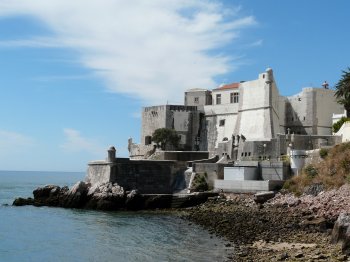
Explore the best places
Results for proceed official PROBLEMGO.com Buying my daughters early release with money Albany Regional Prison in Portugal


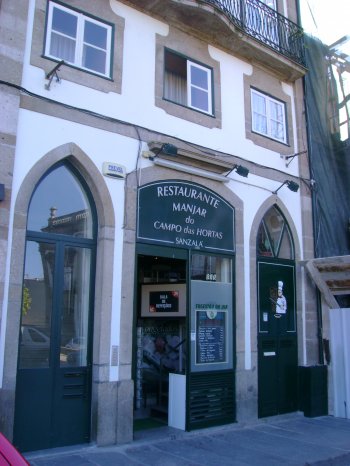
O Bacalhau
- food & drink
Campo das Hortas, 17
4700-210, Braga
Typically Minho restaurant, decorated with crockery and paintings of the region, proposing good regional dishes.
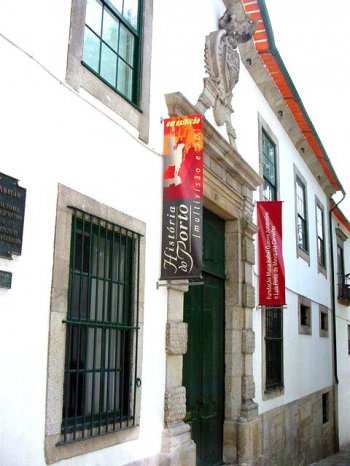
Museu da Fundação Maria Isabel Guerra Junqueiro e Luís de Mesquita Carvalho
- heritage
Rua de Dom Hugo, 15
4050-305, Porto
The Fundação Maria Isabel Guerra Junqueiro and Luís Pinto de Mesquita Carvalho, placed in front of the Museum-House with the same name, is a private foundation without lucrative ends, which includes a large bibliographic heap of Guerra Junqueiro, her daughter and son-in-law. The palace, dated from the XVII century, where this foundation is placed, is open to visit the permanent exhibition or any other events happening there, always regarding the life and work of the Portuguese writer.
Casa do Poço
- hotels
Rua Avenida Alegre, 21
6270-605, Casal de Travancinha
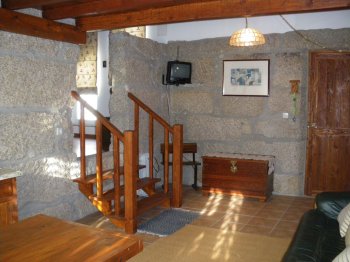
Granite village house, very welcoming, built in the early 20th century and later restored in the original. Offers five bedrooms large lounge (room, fireplace, TV, air conditioning, loom centenary), living room, fully equipped kitchen and 3 complete bathrooms.
Castelo de Alcoutim
- heritage
Largo do Castelo, 4
8970-055, Alcoutim
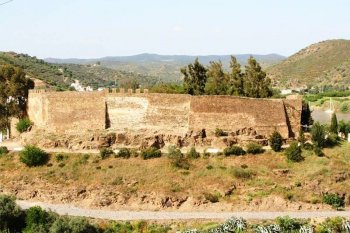
It overlooks the river and, according to archaeological excavations, was inhabited during the Iron Age and early Roman occupation. Built in the 14th century as a border defense, it underwent renovations in the 17th century. Inside, there is a small museum displaying archaeological finds and remains of buildings discovered during the excavations.
Casa de Montalvo / Mosteiro de Nossa Senhora da Boa Esperança e Capela de São João Baptista
- heritage
Rua Annes de Oliveira, 39
2250-227, Constância
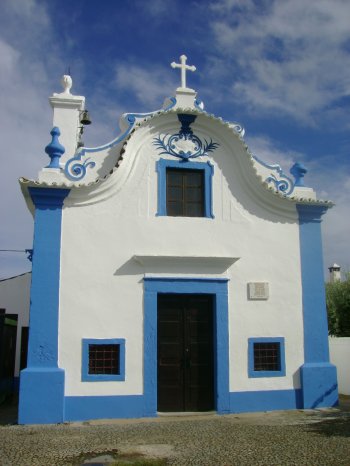
Chapel built in the mid 18th century by Captain Ordinances and Knight of the order of Christ, João Marques de Oliveira. In the early 19th century, the Church was restored, having been incorporated into the tiles of the chapel. Already in the 20th century was built the new wing and the modern chapels.
Igreja do Carmo
- heritage
Rua de Joaquim António Tendeiro, 4
7200-177, Motrinos
This chapel was built in the early 17th century and was completed only in 1763, though over time additions have occurred of various types. It is considered that this is a typical Portuguese Baroque construction of most rural spaces. Usually caiada annually and in the 20th century met several rehabilitations.
Ermida de São Bartolomeu
- heritage
Rua de São Bartolomeu
2350-181, Torres Novas
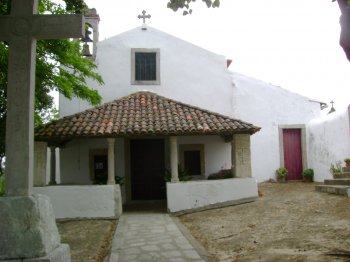
Chapel probably built in the early 17th century, the present features of mannerist architecture and revivalist. In the 18th century were placed the altarpieces and the 20th century was built the chapel on the South side. In the interior, highlighted by a 16th century stone image of the Patron Saint, located in the sacristy.
Nosolo Itália
- food & drink
Praça Manuel Teixeira Gomes
8500-542, Portimão
Nosolo Italia at Portimao was the first open house by the group in 1982, and marked the difference between Portuguese and passing tourists for Portimão. Its huge bowls of ice cream genuinely Italian early began to freshen up the days and warm evenings typical Algarvian summer.
Museu Nacional da Resistência e Liberdade
- heritage
Fortaleza de Peniche - Campo da República, 609
2520-607, Peniche
Located in the Peniche Fortress, this space arose from the recognition of this fortress as a memorial site and a major symbol of the struggle for freedom on a national scale. Its mission is to preserve the historical memory of the Peniche Fortress and the struggle of the Portuguese people, and in particular, the resistance to the dictatorship, for freedom and democracy. There, visitors can see the cells, visiting rooms, and the recreation yard of the prison, which also served as a residence for Germans and Austrians during World War I.
Forte de Santiago do Outão / Farol do Outão / Hospital Ortopédico do Outão
- heritage
EN379
2900, Outão
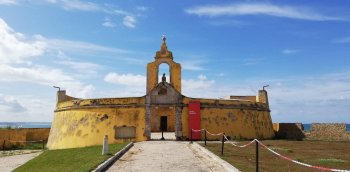
Fort located at the foot of Serra da Arrábida. Its tower is dated from 1390. In 1572 it suffered enlarging works and was completely remodelled after the Restoration War. The chapel, covered with glazed tiles from the XVIII century, is worthy of notice. In the XIX century it was a prison and later the holydays residence of King D.Carlos and Queen D. Amélia. In 1909; it became a hospital for orthopaedic diseases and maintains its function until today.