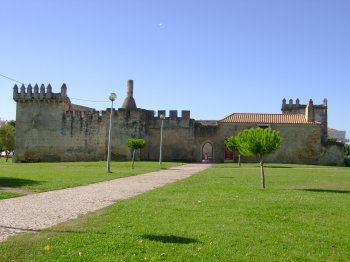
Explore the best places


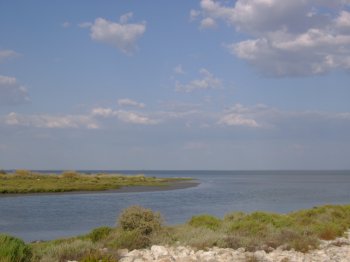
Foz do Trancão
- beach
- country
Foz do Trancão
2685, Sacavém
The Trancão River, formerly known as the Sacavém River, runs for about thirty kilometers, starting in the parish of Milharado, in Mafra and flowing into the sea in Sacavém. Since 1999, it has had a WWTP in Frielas, with the capacity to treat sewage for 700,000 inhabitants.
Museu do Vinho e da Vinha de Bucelas
- heritage
Rua Dom Afonso Henriques, 2-4
2670-637, Bucelas
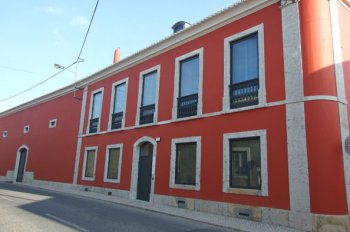
The Wine and Vine Museum of Bucelas is part of the Municipal Museum of Loures, and its construction intends to continue the study of the wine-growing activity of this region decree demarcated, on March 3, 1911, focusing on the promotion of the territory and the dissemination of the Capital of Arinto and local history, with special emphasis on the uses and customs related to the wine cycle. It has permanent and temporary exhibitions related to the theme of wine.
Galeria Municipal Vieira da Silva
- art
Rua da República - Parque Adão Barata
2670, Loures
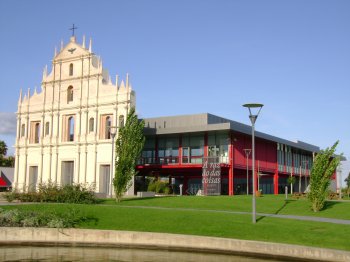
Installed in the Macau Pavilion, in Parque Adão Barata, this gallery was built with the aim of bringing the population closer to the arts, therefore offering permanent exhibitions of artists recognized in the national and international scene.
Convento de Nossa Senhora dos Mártires da Conceição
- heritage
Praça da República
2685-105, Sacavém
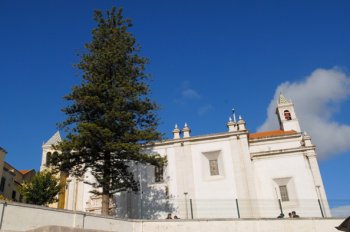
Built in the 16th century to replace the oratory dedicated to Nossa Senhora dos Mártires, the convent housed the nuns of Santa Clara until 1877, after which it was handed over to the Ministry of War. It has a cloister with two floors and typical tiles from the 17th century.
Museu Municipal de Loures
- heritage
Quinta do Conventinho - EN8, km 4,3
2660-346, Santo António dos Cavaleiros
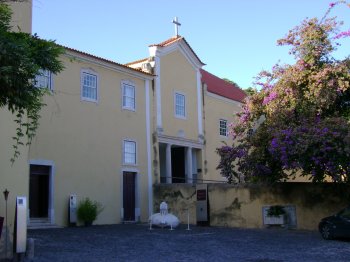
Installed in the building that was, from the 16th century until 1834, the 13th Convent of the Order of Arrábidos, it opened its doors to the public as a museum in 1998 and presents several exhibitions related to the municipality of Loures, namely, archeology, ethnography and visual arts. It preserves two milestones found during the construction of the new Palace of Justice in the city of Loures, where a Roman Villa was also identified.
Parque Urbano de Santa Iria de Azóia
- country
- leisure
EN115-5
2690, Portela de Azóia
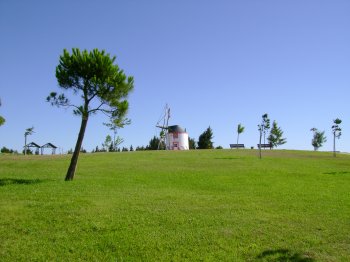
This urban park is of particular relevance in the municipality, with vast grassy areas and some forested areas, with a climbing wall, slide, minigolf course and half-pipes, picnic area, athletics track, maintenance circuit, cycle path, mountain biking area , flight slope, jumping tower, among other equipment. It also houses an environmental education center and the Municipal Veterinary Center.
Parque da Cidade de Loures
- country
- leisure
Rua da República
2670, Loures
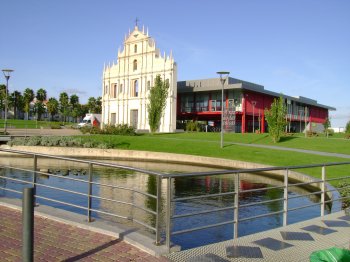
Also known as Parque Adão Barata, it is a large and pleasant space, which includes a vast grassy area, some shaded areas, a picnic area, two playgrounds and even a sports center and a geriatric park.
Palácio da Mitra
- heritage
Largo Félix da Silva Avelar Brotero
2660-119, Loures
Former residence of archbishops, Palácio da Mitra or Palácio dos Arcebispos is a 16th-century building in the shape of a "u", which features typical Portuguese tiles in the rooms, also characterized by the thematic decoration of the time (representations of rural scenes, seasons or cooking). The church was completely rebuilt in the 16th century. The statues that decorate the interior rooms of the palace are from this period, as well as the monumental fountain, in Baroque style.
Palácio e Quinta do Correio-Mor
- heritage
EN8
2670, Loures
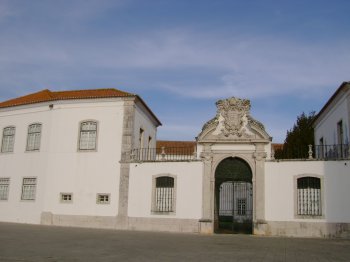
The name comes from the fact that the farm belonged to Luís Gomes Mata, "Correio-Mor" (chief of the post delivery) at the time of Filipe II. Built in the 18th century, the palace might have been designed by the Italian António Canevari, one of the architects of the Convent of Mafra. It is preceded by an emblazoned door leading to the patio. Inside, the tiles and stucco ceilings with paintings by José da Costa Negreiros stand out. In the gardens, the waterfalls and tiles with mythological scenes stand out.
Castelo de Pirescoxe
- heritage
Praça Viscondes Castelo Branco
2690-414, São João da Talha
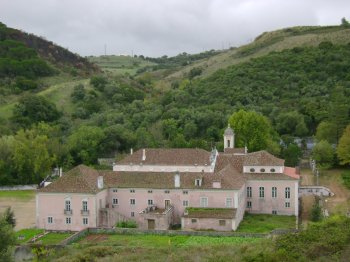
Built in 1442, this castle belonged to the Castelo Branco family until the 18th century. It was restored, currently hosting a municipal gallery. From the original construction, there are still the medieval battlemented towers of the old fortified house.