Explore the best places
Results for COKHERE.COM comprar cocaína link darknet Lisboa in Portugal


Cidade Desportiva da Maia
- country
- leisure
Avenida Luís de Camões
4470-322, Maia
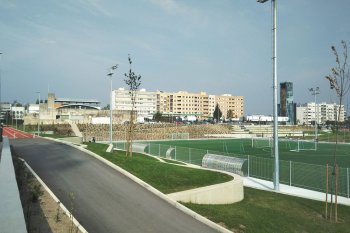
A 10,000 square meter space in the heart of the city of Maia, which connects the various existing sports facilities in a network: the Prof. Dr. Vieira de Carvalho Municipal Stadium, the sports gymnasium, and the tennis and gymnastics sets. Linked by 5 km of ecological trails and leisure areas, the Sports City also features a skate park, gardens, lakes, and exercise equipment.
Castelo de Arnóia
- heritage
Castelo
4890-020, Arnóia
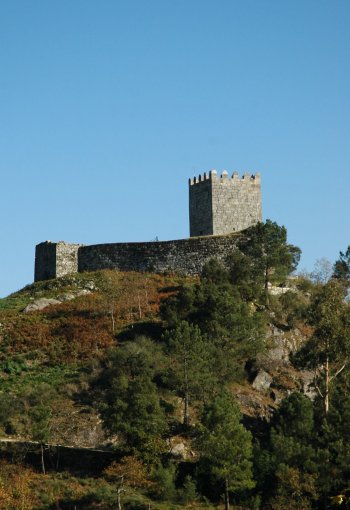
A castle built during the Romanesque period, it features elements characteristic of the period's military architecture, such as the keep crowned by battlements and a patrol path. Both its location within the territory and various documentary sources attest to its existence during this period. It is closely linked to the nearby Monastery of São Bento de Arnoia, where some Romanesque remains can be found.
Monumento à Mulher da Nazaré
- heritage
Largo dos Cedros
2450, Nazaré
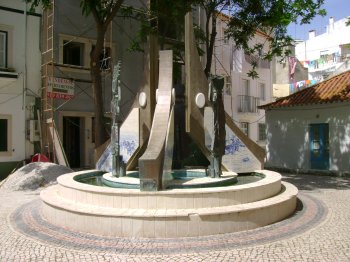
Iron sculpture that honors the Nazarene woman. Characterized by strong personality and dedication to the village. Throughout the ages have been linked to fishing. While the nazarenes had ventured into the sea, women remained on the beach, devoting himself to size, sale and dry fish. Nowadays the tradition has been lost a bit, but it is still possible to view this activity on marginal da Nazaré.
Ponte de São Lázaro
- heritage
Rua de São Vicente
4445, Alfena
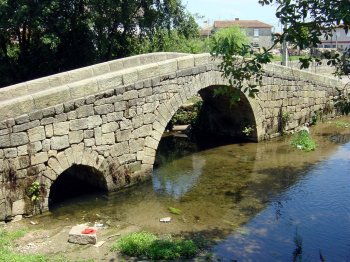
Ancient stone bridge with two arches, located on the old road which linked the port to Guimarães, over the river Leça. Presents the two unequal arches, a wider central and other minor and designed to drain water during times of greatest influx. Believed to have Roman origins, despite the current structure dating from the late Middle Ages.
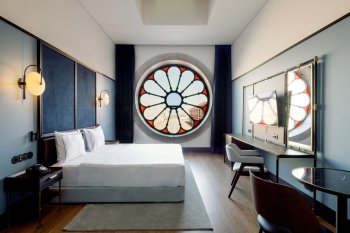
The Editory Riverside Santa Apolónia Hotel
- hotels
Avenida Infante Dom Henrique, 1
1100-105, Lisboa
Este luxuoso hotel de 5 estrelas resulta da reabilitação de uma parte da Estação Ferroviária de Santa Apolónia, em Lisboa. Dispões de 126 quartos alusivos à temática da herança ferroviária portuguesa, restaurante, bar e fitness center.
Edifício da Antiga Companhia de Seguros Douro
- heritage
Largo São Domingos
4050-545, Porto
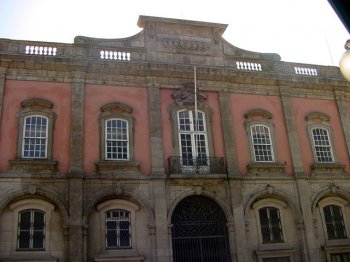
It was built to be the headquarters of the Ordem de São Francisco but, in 1832, during the Porto Siege, it almost all destroyed by a fire. The Banco de Portugal (national Portuguese bank), Banco de Lisboa at the time, bought and repaired it. Its name comes from the fact it was once the headquarters of the insurance company Douro.
Annapurna
- food & drink
Avenida Almirante Reis, 179 A
1000-048, Lisboa
Annapurna – que em hindu significa “comida dos deuses”, é o local certo para apreciar a cozinha nepalesa no centro de Lisboa. Aqui são-lhe apresentados os sabores milenares de uma região com uma grande riqueza cultural e gastronómica.
Casa Municipal de Cultura
- art
Avenida das Forças Armadas, 59
4820-119, Fafe
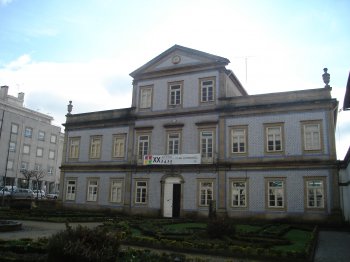
The Municipal House of Culture, located in the old Casa do Santo Novo building, is a space that houses several museums and various initiatives linked to art and culture. Here it is possible to visit the Fafe Press Museum, which aims to preserve and conserve the memories of local media. The Museum of Migrations and Communities is also present here, with the aim of raising awareness of the phenomenon of emigration in Portugal.
Museu Etnográfico da Murtosa
- heritage
Praça Doutor Araújo e Castro, 3
3870-155, Murtosa
The Museum is made up of three rooms with a total area of around 232 m2, dedicated to three themes: Earth, House and Water, representative activities of Murtosa. It displays objects linked to land preparation, harvesting, fishing, sargassum harvesting, food, spinning and weaving, transport, work and party clothing, household contents, lighting, miniature boats, religious objects and musical instruments.
Museu da Horta
- heritage
Largo Duque D'Ávila e Bolama
9900-141, Horta
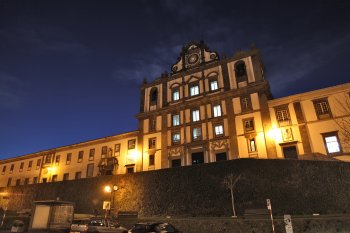
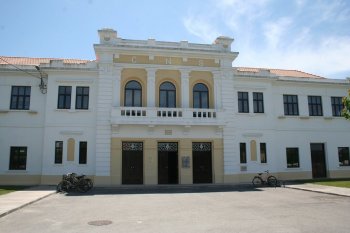
Created in 1977 in the former Jesuit College, this museum tells the history of the island and the city of Horta. The exhibition consists of ethnographic objects (by highlighting the laces and handcrafted made from fig tree), nautical, technological objects (linked to the history of communications) and artistic. It also features an exhibition of sacred art in the 16th and 17th centuries, of elements and religious figures gathered in churches and chapels of the island.