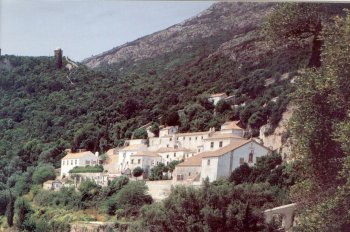
Explore the best places
Results for proceed to portal PROBLEMGO.com pay for early release from jail HMP Berwyn in Portugal


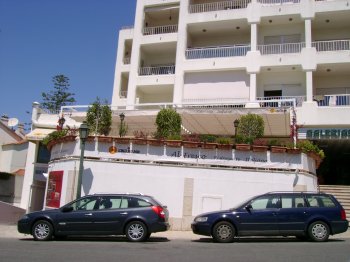
Piazza di Estoril
- food & drink
Rua de Lisboa, 5
2765-240, Estoril
Is a restaurant with a young environment, where the menu deals with Italian seasonings and flavors. The suggestions fall especially on folders such as the linguini con le vongole with clams, spaghetti or penne with lemon prawns. The porcini mushroom risotto is one of the most popular dishes and pizzas the caprese with Parma ham and mozzarella fresca makes success among customers. For input ask carpacio specialties of Eggplant, tuna or salmon. The desserts are all homemade and recommended, in particular, the tiramisu, Apple Pie, cheesecake and the Panna cotta. The Al Fresco existed for nine years and is located …
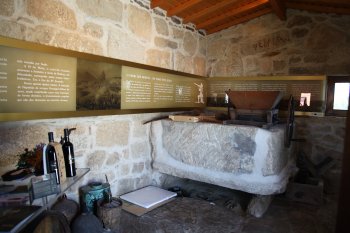
Repositório Histórico do Vinho dos Mortos
- heritage
Rua de Santo Aleixo, 29
5460-330, Boticas
Small museum dedicated to the theme of the "Wine of the dead". Were the French invasions that came cause the appearance of this today is a real ex-libris of Boticas. It was during the second French invasion (1808) and in face of the advance of the troops commanded by General Soult, which in its passage all pillaged, pillaged and destroyed, the population of Boticas, to try to defend its heritage, decided to hide by burying, what was more valuable. The wine was buried in the floor of cellars, on clay, under the cask and mills. Later, after the French were …
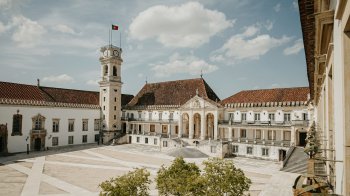
Edifício da Universidade de Coimbra
- heritage
Praça da Porta Férrea
3004-531, Coimbra
The university, founded in 1290, is one of the oldest in Europe. After alternating between Lisbon and Coimbra, it was definitively transferred to the city on the Mondego River in 1537, during the reign of King João III, establishing itself in the Royal Palace. The building became the property of the University in 1597, during the Philippine rule, and underwent several renovations over time. In 1772, the Marquis of Pombal gave new statutes to the University, and the Faculties of Mathematics and Philosophy were created, in addition to several Institutes. Notable features of the set include: the Iron Gate (the …
Parque Natural do Douro Internacional
- country
Rua Dr. Francisco António Vicente, 4
5200-241, Mogadouro
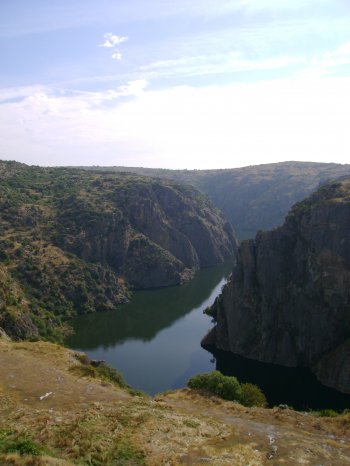
Integrating the municipalities of Figueira de Castelo Rodrigo, Freixo de Espada-à-Cinta, Miranda do Douro and Mogadouro, the Douro Internacional Natural Park covers the 122 kilometers of border section of the Douro River and extends south, to the Douro Valley. From a very deep valley and two plateau areas (essentially granite), one to the North with altitudes of around 700-800 meters and the other to the South with altitudes of around 600-700 meters. The gorges carved by the Douro and Águeda rivers are extremely deep (up to 200 meters) and of great beauty. The Park reaches its maximum altitude (895 meters) …
Roteiro Camiliano
- heritage
Ribeira de Pena
4870-159, Ribeira de Pena
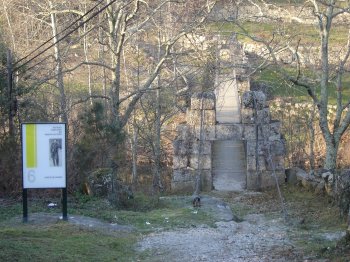
A cultural itinerary encompassing locations visited by the writer Camilo Castelo Branco in Ribeira de Pena or mentioned by him in his literary works. There are seven: the Ponte de Cavês (mentioned in the short story "Como ela o amava" and the play "O Lobisomem"), the village of Friúme (where the writer lived between 1840 and 1842), the Parish Church of Salvador (where he married Joaquina Pereira de França at the age of 16 in 1841), the Chapel of Our Lady of Guia (mentioned in the work "Doze Casamentos Felizes"), the Chapel of Granja Velha (where the writer learned from …
Faro do Alentejo
- country
- heritage
Faro do Alentejo
7940, Faro do Alentejo
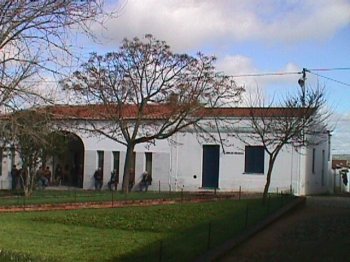
This village was founded in 1616 on the estate of S. Luís de Jacentes (now Assentes), belonging to D. Estêvão de Faro - Count of Faro and Commander of S. Salvador de Jones. It also belonged to D. Diniz de Faro, the second and last Count of Faro, and to D. Juliana de Faro, the Countess of Faro. It was a town, formerly called Farinho, a very fertile land, especially in cereals. In 1775, the town's grantee was D. José Luís de Vasconcelos e Sousa, 6th Count of Pombeiro and 1st Marquis of Belas. Its parish priest was from the …
Sabugueiro
- country
- heritage
Sabugueiro
6270-151, Seia
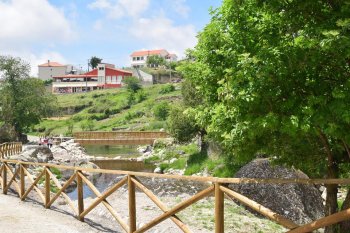
Located on a plain above the Alva river, Sabugueiro is the highest village in Portugal (an altitude of 1050 metres). It started from the shacks of sheperds that used the mountain's pastures for their sheep and their goats. The engraving on the rock by the Canariz Fountain is a testimony to the peopling of the area in remote times. Even though there are still shepherds and related activities (wool and cheese production), rural tourism has developed in the last few years and there are several typical houses currently adapted. The shpherds still move to the Douro region in the winter …
Castro de Codeçoso
- heritage
Venda Nova
5470-501, Venda Nova
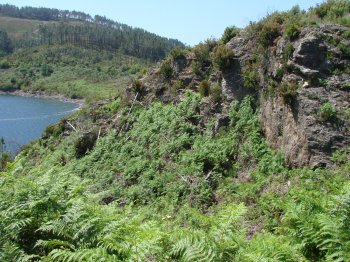
Fortified village, whose defense is composed of two lines of surrounding walls and a deep moat excavated in the rock on the South side. One of the features of this pre-Roman settlement is little spacing between the two lines of wall (about 10 meters). Within the second, on the north side, building alignments are visible. With the construction of the albufeira of Venda Nova, in the Decade of 1940, this place got the configuration of a peninsula. On the hillside East of castro, spent the 17th via romana to prove it we have the milestone of Claudius I, with 38 …
Castro de Soutelo
- heritage
Gralhas
5470-160, Gralhas
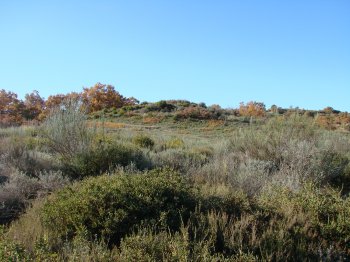
In the triangle between Solveira, Santo André and crows at the end of the Stream, approximately 900 metres maximum elevation is the castro de Soutelo. It is a fortified village whose typology is also consistent with the settlements of the iron age, but which is surrounded of traces of the Roman era, therefore with a broader occupation period. Presents two orders of Hadrian's wall, interior wall which surrounds the village and the outer is only visible from the sides, North, South and East. The West was the gap. Inside the village, and turned to the West there is an extensive …
Convento da Arrábida
- heritage
Rua de São Lourenço
2925, Azeitão
Commissioned in 1542 by Friar Martinho de Santa Maria, the Convent presents an austere architecture, being practically devoid of ornamentation. Inside, the only noteworthy features are sculptures of saints and Christs, made of terracotta and wood, placed in niches, the tiles that adorn the chapels, and also the inlaid work composed of small stones mixed with shells and shards of earthenware, used in the decoration of fountains, walls, and chapels. The ceramic and wooden sculptural pieces, stonework and flagstones, painted ceilings, and gilded woodcarving stand out. Over the centuries it underwent several renovations, and in 1863 it was acquired by …