Explore the best places
Results for enter official PROBLEMGO.COM buy a fake letter from the bank saying my loan is paid off in Portugal


Teatro Nacional Dona Maria II
- art
Praça Dom Pedro IV
1100-201, Lisboa
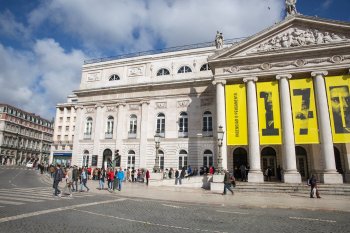
Placed on the north side of Rossio, the National Theatre Dona Maria II, which name pays homage to the daughter of Dom Pedro, was built in the 1840s by the Italian architect Fortunato Lodi. The façade of this neoclassic building is composed by six columns coming from the São Francisco Convent and is ended by a triangular fronton where the figures of Apollo and the Muses are sculpted. On top of the fronton is possible to see the statue of Gil Vicente, maybe the most important Portuguese dramaturge of all times, considered to be the father of the national theatre.
Teatro da Vista Alegre
- art
Largo da Vista Alegre
3830-292, Ílhavo
The Teatro da Vista Alegre was created, almost simultaneously with the factory, for entertainment of workers and residents of the housing project. In 1851 it was rebuilt and decorated with ceilings adorned and curtains adorned. For decades played host to plays, dances and concerts of the Philharmonic from the factory. In 1905 and again in 1970 is the target of renovations that give the current traits. Inactive for many years, only in 1998 was recovered and re-opened. Currently, the space houses a amateur theater group composed of the Vista Alegre factory workers.
Aldeamento da Prainha
- hotels
Praia dos Três Irmãos
8500-072, Portimão
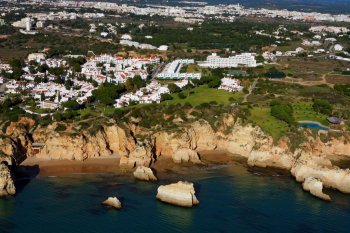
Holiday village composed of T1 and T2 apartments and villas with private swimming pool and fully equipped. It is located by the Sea (350 metres), about 4 km from Portimão and Alvor 2.5 miles. At the top of the cliff, you can find the saltwater swimming pool with panoramic views over the Atlantic Ocean. It also has two restaurants, a basketball\/soccer field, three tennis courts, a Marine treatment centre Thalgo, playground, parking, laundry service, among others.
Casa de Hóspedes da Tapada de Mafra
- hotels
Portão do Codeçal
2640-602, Mafra
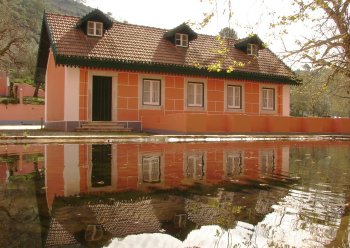
In Celebredo, the guesthouse of the Tapada is an early 20th-century building that bears the simple beauty of rural architecture. This is the ideal place to escape the city everyday. In the annexes, as the garden, you can enjoy a bucolic environment of great peace, ideal for rest from urban stress. Is open all year, except Christmas, new year's Eve and Carnival and works with a minimum of 2 double rooms. Children under the age of 4 years old can stay for free (without extra bed).
Casa da Calçada Relais & Chateaux
- hotels
Largo do Paço, 6
4600-017, Amarante
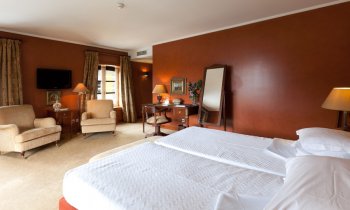
A 16TH-century palace, in the Centre of Amarante, just forty minutes from the port and an hour in the Douro Valley, is the Casa da Calçada. Has to offer its guests a courteous service, exquisite cuisine and a selection of special wines. Situated in the historical centre and with views of the River, the space spreads over six hectares in the region of the Vinho Verde, where are produced wines and sparkling wines of Quinta da Calçada. Has 26 luxurious rooms and suites and offers the restaurant Largo do Paço.
Casa da Ermida de Santa Catarina
- hotels
Herdade da Rocha
7350-451, Santa Eulália
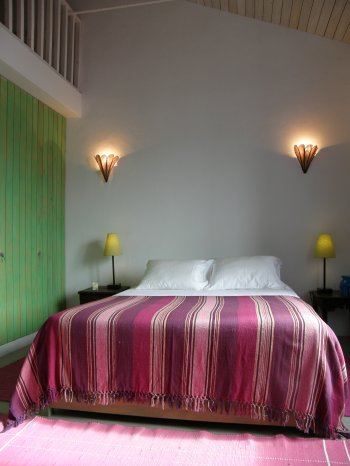
Homestead located six kilometers from the locality of Santa Eulalia, located on a peninsula washed by the waters of the Albufeira of Caia, in the municipality of Elvas. Surrounded by old holm oaks and a stunning natural wealth. Features a spacious living room with fireplace, a porch with panoramic views, dining room, six bedrooms and a suite with a private porch. The 16th-century chapel was recovered for the heritage and for the cult, being also accessible by ferry the oars, which reinforces its remarkable marriage with the surrounding nature.
Forte de São Clemente
- heritage
Largo de Brito Pais
7645-234, Vila Nova de Milfontes
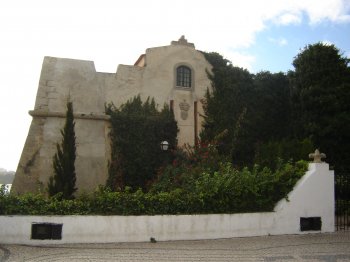
From this fortress, built at the end of the 16th century, one can view almost the entire Vila Nova de Milfontes. Originally built with a polygonal plan, with canon areas and two triangular bastions, it was damaged in seevarl ways in 1638. During the reign of D. João IV it underwent changes and its military capacity grew bigger. A model of the military mannerist architecture, it was later turned into a residence and a medieval turret with battlements was added to it. Currently, the trench and the walls are surrounded by vegetation and flowers.
Fortim do Faial
- heritage
Tojal
9230-067, Faial
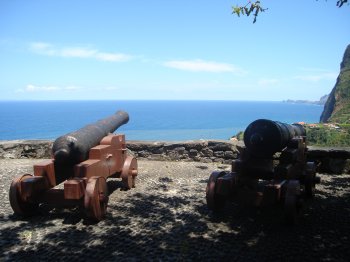
Built at the beginning of the 20th century, the Faial Fortress recreates a military battery, semicircular in plan, with ten English cannons that were fired during celebrations dedicated to Our Lady of the Nativity. It has a support house where the São Roque do Faial Parish Council exhibition room is located. From this point it is possible to observe a large stretch of the coast and, on clear days, Porto Santo, Serra da Penha d'Águia and the northern part of Ponta de São Lourenço.
Igreja Matriz de Bucelas / Igreja de Nossa Senhora da Purificação
- heritage
Largo do Espírito Santo
2670-655, Loures
This fifteen hundreds temple has three naves with five ranks with round arches. The walls coverage is done with green and white glazed tiles and the tunnel vault are decorated with paintings from the 17th century. The sacristy has crossed vaults. On the main chapel stands out the polychromes glazes tiles, one altarpiece in baroque carve and four sixteen hundreds paintings. It is also worthy to mention the lateral altars carve and the sixteen hundreds candelabra, as well as a gothic pediment on the entrance right side.
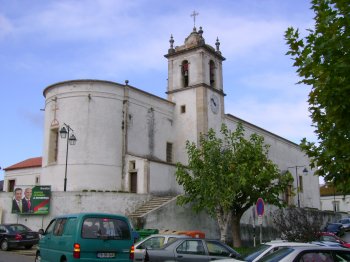
Igreja Matriz de Nossa Senhora da Assunção de Arronches
- heritage
Praça da República
7340-012, Arronches
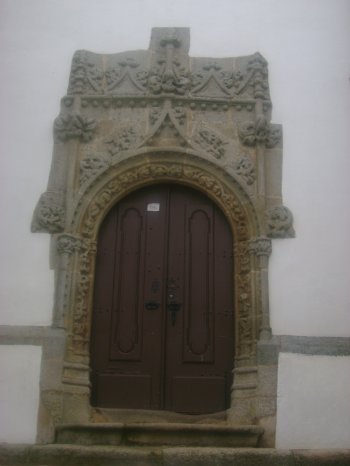
Temple from the 16th century, of Manueline design, with a Renaissance main portal, with a round arch, decorated with eight carved cherubs and two warrior busts in high relief. The main façade, supported by two stone pilasters, was rebuilt in the 18th century. The interior has three naves, vaulted with ribs, highlighting the main altar, made of marble, flanked by twelve wooden chairs. The original church dates back to 1236, with construction completed in 1242. The current church was built at the beginning of the 16th century.