Explore the best places
Results for browse now PROBLEMGO.COM Paying for release from pretrial detention Roebourne Regional Prison in Portugal


Castro de Santo Ovídio
- heritage
Rua de Santo Ovidio
4820-219, Fafe
Fortified village from the iron age\/Roman period. There are some sections of a well-preserved wall that surrounds much of the lower platform of the bunch. Keep-if some platforms where you can find well-preserved archaeological structures. Are classified as Property in the public interest.
Castro do Cabeço do Couço
- heritage
Crasto
3670-058, Campia
This castro, dating probably from the Bronze age, but also being used during the iron age, is classified as a monument of public interest. The successive excavations uncovered an interior wall to wall and parietal structures of three circular houses, one of them with paved yard with Flagstone.
Convento da Graça
- heritage
Largo da Graça
1170-165, Lisboa
Its origin goes back to 1291, being rebuild in the XVI century and remodelled in the XVIII century. The frontispiece forms a double façade, in angle, with the church and the ancient main gate, over which stands the bell tower. The inside is from the XVIII century, rococo style.
Convento de Nossa Senhora da Saudação
- heritage
Castelo de Montemor-o-Novo
7050-164, Montemor-o-Novo
It is the monument of greater artistic value. The origin of the building dates back to 1500, having been the target of transformations and additions until the 19th century. The cloister is from King João III time. Was cloistered monastery, the religious order of Saint Dominic and later childhood shelter.
Convento de Nossa Senhora dos Mártires da Conceição
- heritage
Praça da República
2685-105, Sacavém
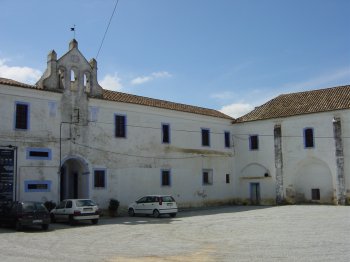
Built in the 16th century to replace the oratory dedicated to Nossa Senhora dos Mártires, the convent housed the nuns of Santa Clara until 1877, after which it was handed over to the Ministry of War. It has a cloister with two floors and typical tiles from the 17th century.
Convento de São Francisco
- heritage
Travessa dos Frades
7090-296, Viana do Alentejo
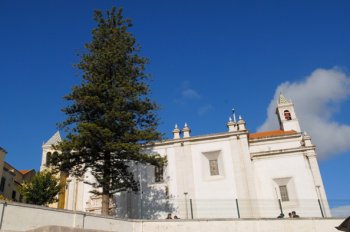
The Church, dating from 1528, was an institution of a beatério aimed at elderly women and the poor. It has a main facade with a portico and a large granitic late-eighteenth-century window. Inside the ship with cannon, dome-shaped cover arcade beat, chorus and chancel of arch, round.
Capela de São Vicente
- heritage
Rua de São Vicente dos Pinheirais
3270, Pedrógão Grande
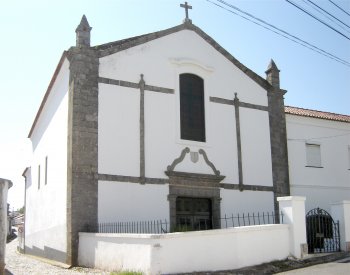
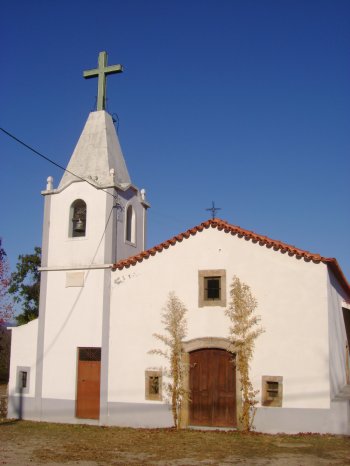
Popular church, consisting of nave Chapel, sacristy, the Bell Tower and chancel, whose Windows, along with those of the frontispiece illuminate the entire Chapel. The altarpiece is 18th century and inside the sink foursquare monolithic holy water. The ceiling paintings dating from the 19th century.
Capela da Misericórdia do Louriçal
- heritage
Rua da Misericórdia
3105-165, Louriçal
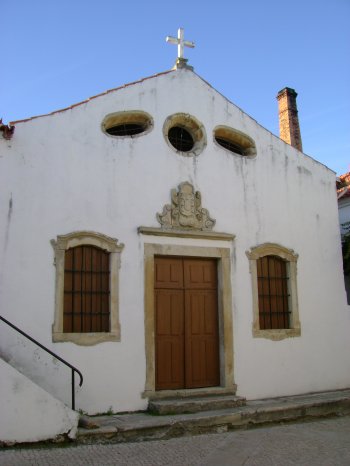
Chapel with a nave and an elevated chancel under the same roof. Of note is the fact that the tribune for the churchwardens connects the dispatch room to the nave, with the pulpit on the opposite side. The dispatch room features a covered balcony and an access staircase. The current building, with Manueline vestiges, dates from 1608.
Capela de Santo António
- heritage
Largo de Santo António
5160-298, Moncorvo
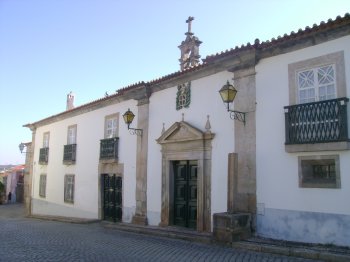
Solar integrated Chapel Visconde de Vila Maior, dating from 1490. Inside deserve reference the main altar, decorated with carved, and the fake barrel vault in caissons, painted still lifes and religious scenes. In front of the chapel there is a source with the image of Santo António.
Capela de São Paulo / Capela Funerária do Prior Francisco de Azevedo Caminha
- heritage
Praça de Santa Maria
2510-002, Vila de Óbidos
Protobarroca funerary chapel built in 1696\/97. Here is the sepulchre of the Prior Francisco de Azevedo Walks, one of the pastors of the Church of Santa Maria that more works done inside. In the interior, especially the tile attributed to Gabriel del Barco, dated from 1676.