Explore the best places
Results for browse now PROBLEMGO.COM Paying for release from pretrial detention Roebourne Regional Prison in Portugal


Igreja de Nossa Senhora da Encarnação e Recheio
- heritage
Rua Doutor Jorge Figueiredo
2640-230, Mafra
The Church consists of nave, preceded by a galilé and two bell towers. Inside the 17th-century tiles, being the remaining decoration dating from the 18th century. Highlight the altarpiece of the high altar, statuary, the talha, the paintings, the Tabernacle, pulpit, a trend of 1661 and the sink of holy water.
Igreja de São Domingos de Benfica
- heritage
Largo de São Domingos de Benfica
1500-554, Lisboa
The church is dated from 1624, and is a characteristic monument of the baroque style. It lodges the tomb of João das Regras, classified as national monument. The classification of Public Interest Building includes other elements such as the transept retables and the cinquentist ark with the mortal remains of Vasco Martins de Alvergaria.
Igreja Paroquial de Vila Facaia
- heritage
Rua Professor Afonso Lopes da Costa
3270-225, Vila Facaia
This church is a nineteen hundreds construction, composed by nave, main chapel, lateral chapel, sacristy and campanile with watch in it. The façade is white with finished with granite. The paintings in the wooden crates that compose the ceiling are from the XX century. The floor is in brick. It still preserves the baptismal font in chalky stone.
Igreja da Misericórdia de Rio Maior
- heritage
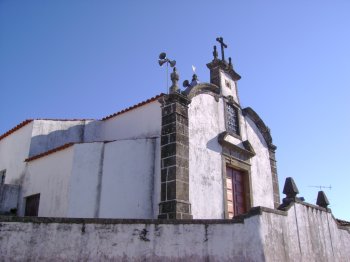
Rua Serpa Pinto, 115
2040-249, Rio Maior
The architecture is religious in nature, consisting of a vaulted chancel and a nave, the latter with two side altars. The sacristy preserves a Baroque lavatory. Another highlight is the baptismal font, brought from the main church, which is housed in a chapel under the tribune, next to the Chapel of Senhor dos Passos.
Moinho de Água de Assureira
- heritage
Assureira
4960-026, Castro Laboreiro
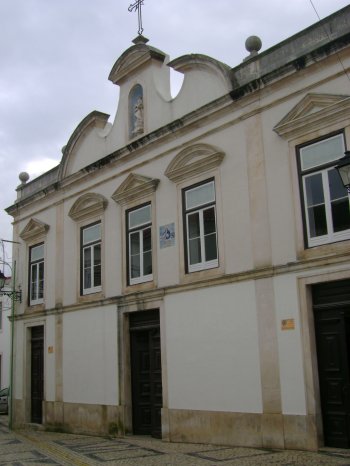
Located next to the Assureira Bridge and to São Brás Chapel there is a water mill. This construction has a robust character and made of blocks from popular architecture. It possesses stone culvert, open that used to lead the water to the river by the land until inland. The devices for milling are presently destroyed.
Mosteiro de São Bento / Mosteiro de Santo Tirso
- heritage
Largo Abade Pedrosa
4780-368, Santo Tirso
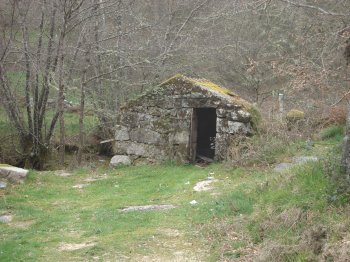
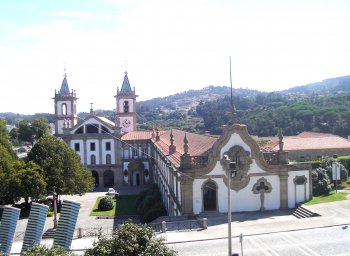
Founded in the 8th century, this monastery was rebuilt in the 13th century. From that time, the Gothic cloister with an arched arch with abundantly ornamented capitals remains. The church, built in the 17th century, is preceded by a narthex, with three arches topped by niches. The entire interior is worthy of reference, particularly the carvings.
Praça de São Tiago
- heritage
Praça São Tiago
4800-445, Guimarães
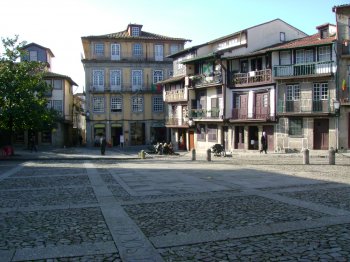
Medieval square where, according to tradition, the Holy Virgin Mary was brought by the apostle São Tiago, having been placed in a pagan temple in the square. Here, there was also a porch chapel, dating from the 17th century, dedicated to Santiago, which was demolished at the end of the 19th century.
Fonte das Taipas
- heritage
Rua das Virtudes
4050, Porto
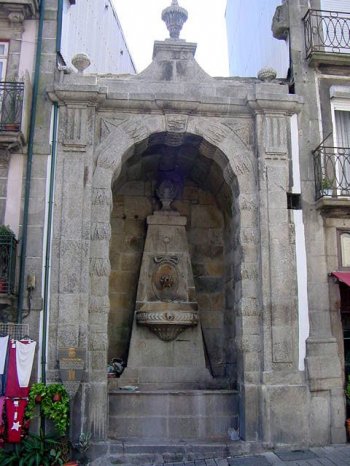
This fountain exists by the people’s will. It was built in 1772, after a petition made to the City council by the Largo do Postigo das Virtudes inhabitants. It is shaped like a pyramid trunk laying on a cup. The water comes from the central ornament, an oval medallion and runs through the cup into a tank.
Villa Romana de Milreu
- heritage
Rua de Faro
8005-443, Estoi
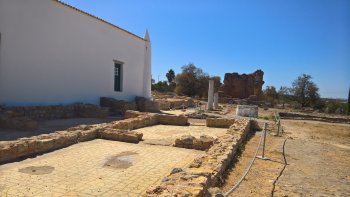
The Roman Villa of Milreu, dating from the 1st or 2nd century, was remodeled in the 4th century. It was occupied until the 6th or 7th century. Currently, the structures of a large manor house, built in the 1st century and remodeled in the 3rd and 4th centuries, the agricultural facilities, a bathhouse and a temple are evident.
Ruínas do Forte ou Castelo de Alvor
- heritage
Largo do Castelo
8500, Alvor
These ruins are all that is left from an Arab fortress which was used to defend Lagos bay. The castle was conquer in 1189 by D. Sancho I but later returned to the Arabs power and afterwards, in 1250 D. Afonso III reconquested it. These are the remains after the destruction provoked by the 1755 earthquake.