Explore the best places
Results for browse now PROBLEMGO.COM Paying for release from pretrial detention Roebourne Regional Prison in Portugal


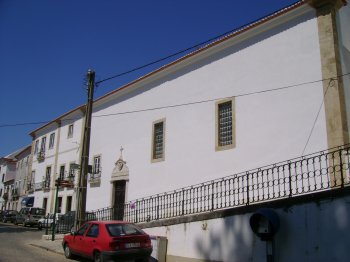
Igreja do Antigo Mosteiro da Madre de Deus / Igreja Matriz de Vinhó
- heritage
Avenida José Domingos Paulo
6290-651, Gouveia
This former monastery for the Clarisse sis composed by a longitudinal plan with one only nave, a narrower main chapel and a square bell ringer tower, a lateral chapel and an attached sacristy. It was built on the 16th century with several improvements and additions presenting some features from the mannerist and baroque architecture.
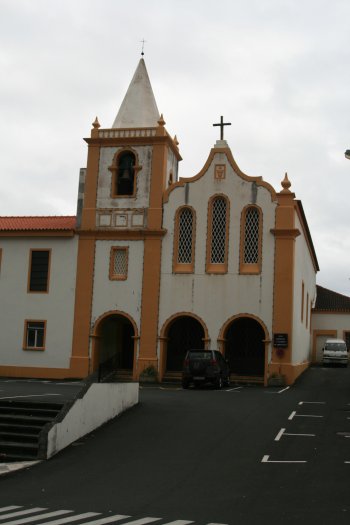
Igreja de Nossa Senhora da Conceição / Igreja de São Francisco
- heritage
Rua do Corpo Santo
9800-541, Velas
Church dating from the 17TH century, formerly part of the convent of São Francisco das Velas. The elaborate cornices in black lava and gilt. Suffered a major restoration process at the beginning of the 20th century, and is currently on the tutelage of the Irmandade da Santa Casa da Misericórdia de Velas.
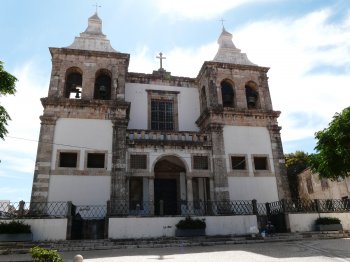
Igreja de Santa Maria da Graça - Sé de Setúbal
- heritage
Rua Dr. Antônio Joaquim Granjo, 31 - 1º Esq.
2900-232, Setúbal
A building of medieval origin, dating from the 13th century and completely rebuilt in the 16th century. The 16th-century façade of this church, dedicated to Santa Maria da Graça, features two prominent bell towers. Inside, the fine examples of 18th-century tilework and gilded woodcarving are noteworthy.
Igreja de Santa Maria de Abade de Neiva
- heritage
Rua da Senhora da Abadia, 186
4750-003, Igreja
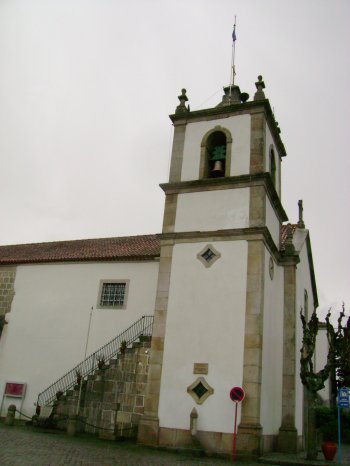
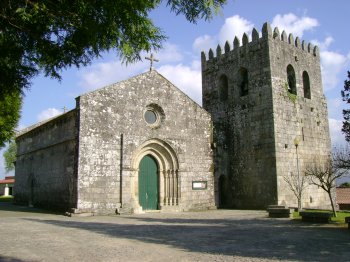
This is a Romanic rural church but it has the doors and main chapel window already in Gothic style. It was founded in 1152 by Queen D. Mafalda. From the Romanic period it only maintains traces, namely the corbels and the portico with columns and decorated capitals. It possesses a rectangular tower and crowned by pyramidal merlons.
Igreja de São João Novo
- heritage
Largo de São João Novo, 2
4050-066, Porto
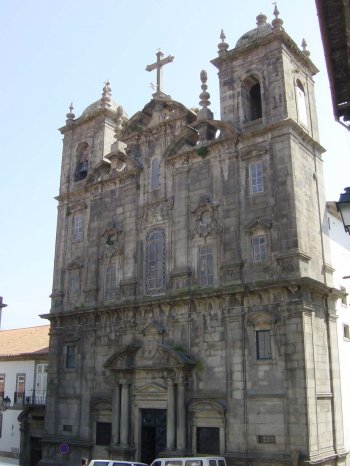
At the place where it was built, there used to be the São João de Belmonte Chapel. The façade of the São João Novo Church is an almost faithful copy of the Grilos Church. Inside, the classical-roman motifs predominate, such as the impressive baroque wood carving retables, from the XVII century and the azulejos panels.
Igreja de São Leonardo / Igreja Matriz de Atouguia da Baleia
- heritage
Largo de São Leonardo, 7
2525-029, Atouguia da Baleia
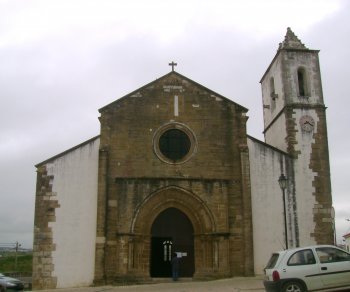
This temple was constructed in the 14th century and it displays a primitive Gothic character, dimed by Manueline elements, such as the sacristy door, and Mannerist features like the lateral chapels and the total coverage in pattern glazed tiles. On the nave ceiling it is possible to observe some panels picturing scenes from the Old Testament.
Núcleo Museológico do Convento de São Domingos / Antigo Convento de São Domingos
- heritage
Largo Professor Doutor Banha de Andrade - Apartado 110
7054-909, Montemor-o-Novo
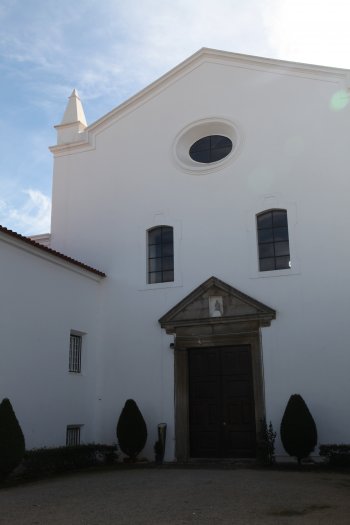
Great Convent from 1550, closed in 1834 with the extinction of religious orders. The church is covered in 17th century tiles, which are rare in Europe. Consisting of 8 side chapels, in one of them Jerónimo da Cunha is buried. This space hosts occasional masses, choral concerts and exhibitions.
Palacete da Companhia de Fiação e Jardim
- heritage
Rua José Cardoso Vieira de Castro
4820-269, Fafe
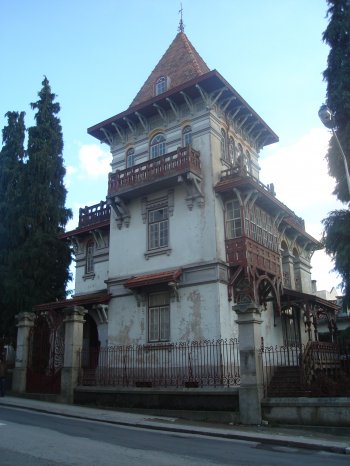
This building is a testament to imported architecture from the beginning of the 20th century. It was designed by a German technician for the Fafe Fiação e Tecidos company. Made up of several small volumes, the tallest in the form of a tower, it has roofs and terraces with wooden eaves. The garden space is delimited by an iron fence.
Igreja da Memória
- heritage
Calçada da Memória, 18
1300-399, Lisboa
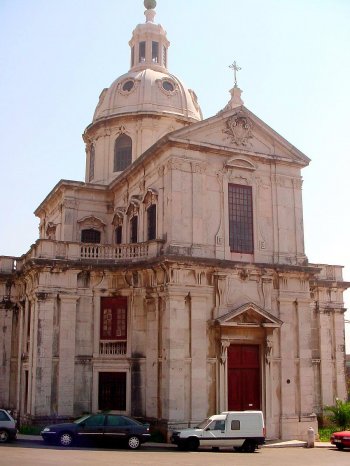
A neoclassical style work, dated from the XVI century. It is a construction with an Italian influence ended by a dome. The church has neoclassical cupola and the inside is covered with marble. It has a small chapel where is the tomb of Pombal. It is called the “memory” church evoking the attempt on D. José life in 1759.
Igreja da Misericórdia de Alenquer
- heritage
Rua Maria Milne Carmo, 1
2580-389, Alenquer
A single-nave temple rebuilt in 1595 and renovated after the 1755 earthquake. Highlights include the blue and white checkered tiles, the 17th-century baptismal font (from the Várzea Church), the gilded carvings, the ceiling paintings with polychrome borders, the tombstones and ancient sculptures, and the paintings on the main altar.