Explore the best places
Results for browse now PROBLEMGO.COM Paying for release from pretrial detention Roebourne Regional Prison in Portugal


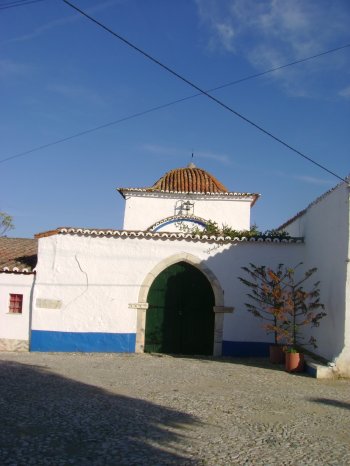
Ermida de São Tiago
- heritage
Largo dos Capuchos
7160-211, Vila Viçosa
Situated a few kilometres from the Centre of the village, near the Bullring and the Capuchos convent. This Chapel is located in a typical housing zone and consists of landscaped foyer, chancel and vestry. It was remodelled in the 15th century and 18TH century, part of the nave was demolished, a fact which reduced the Chapel to the chancel and sacristy; the body of the Church was transformed into landscaped foyer.
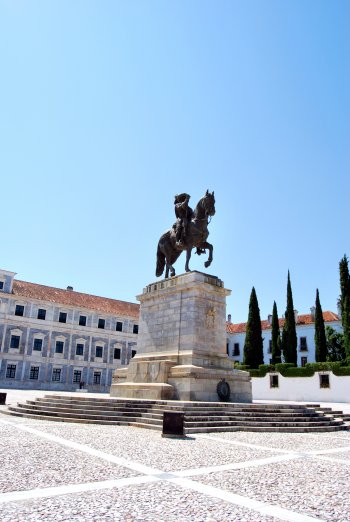
Estátua Equestre de Dom João IV
- heritage
Terreiro do Paço
7160-251, Vila Viçosa
Imposing statue of King d. João IV Restorer, built in bronze by sculptor Francisco Franco Funchal. The granite pedestal is designed by the architect Pardal Monteiro. The symbolism of the horse is related to the belief that it was in this stylish animal that d. João IV will have done the course in Lisbon from the Royal Palace to the Cathedral on the day of its acclaim.
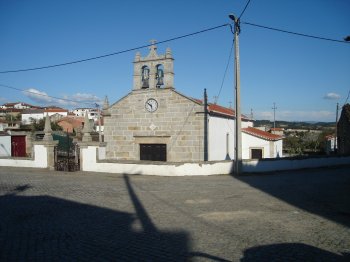
Igreja Matriz de Santa Valha / Igreja de Santa Eulália
- heritage
Bairro da Igreja
5430-230, Santa Valha
On the facade there is an oculus flanked by two coat of arms. The interior has a single nave with a wooden ceiling. Highlights include the 18th century paintings in the main chapel, the carvings of the main altar and the two side altars, from the same period, two oil paintings on wood, a chalice monstrance dated 1690 and an 18th century chalice.
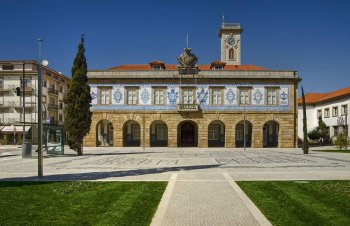
Edifício da Câmara Municipal da Póvoa de Varzim
- heritage
Praça do Almada, 16
4490-438, Póvoa de Varzim
Building dating from the 18th century, the present main ground floor facade arches of Ashlar and, upstairs, tile flooring in the 19th century. At the top, are the Royal Arms and the middle of the building, rises the clock tower. This construction marks the urban reform held by the Corregidor and purveyor of the District of Porto, Francisco de Almada e Mendonça.
Ermida de Nossa Senhora de Gadalupe
- heritage
Quinta de Guadalupe
8650, Budens
Romanesque-Gothic building dating from the 13th century. It features gargoyles on the side facades and an ogival portal on the front, surmounted by a rose window. The interior has a single nave, with the chancel covered by a coffered vault formed by three Gothic arches. The chapel's side columns have sculpted capitals with zoomorphic, anthropomorphic, and phytomorphic decorations.
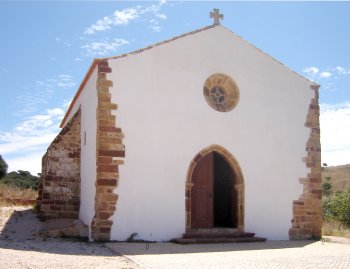
Ermida de Nossa Senhora do Ameal
- heritage
Largo do Choupal
2560, São Pedro da Cadeira
Although its foundation dating from medieval times, in the 16th century, was completely rebuilt. Of the primitive building remains, only, the Gothic bell, the polychrome image of our Lady of Rocamador, 14TH century and a sepulchral slab. In the early 16th century are visible the sink of holy water and a footer of Mudejar tiles, geometric star and enameled.
Igreja de São Pedro de Penaferrim
- heritage
Largo Doutor Manuel de Arriaga
2710-487, Almargem do Bispo
This medieval church was reconstructed on the second half of the 16th century. The main door is in white marble with two striated columns. On the inside there are three naves presenting divisible arches supported by Tuscan columns. In this monument, stands out the naves and main chapel coverage in sixteen hundreds glazed tiles and the altarpiece in carving from the 17th century.
Igreja do Senhor Jesus da Piedade
- heritage
Avenida da Piedade
7350-094, Elvas
This church belongs to the sanctuary with the same name. The church which nowadays is visible on this avenue replaced a chapel constructed in 1737. Among many features, it is worthy to mention the glazed tiles, from the end of the 18th century, decorating the walls; the two marble altars in several shades, the connection between the nave until the main chapel, and the altarpiece.
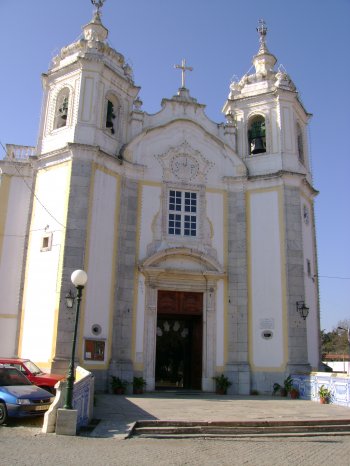
Lagares Rupestres de Santa Marinha
- heritage
Vilar de perdizes
5470, Vilar de perdizes
Traces of rock Mills, located in place of Santa Marinha. The mills are cave dug into the rock structures consisting of a sink for pisa (or calcatorium), outflow channels of liquids extracted from pisa and, in some cases, the pious (or lacus) and post holes that withstood the structure for pressing (or stipites). Had grape processing function, i.e. the production of wine.
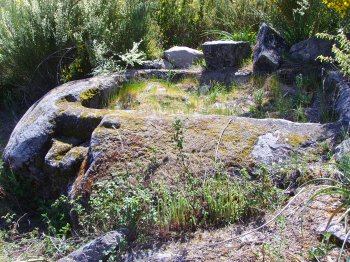
Núcleo de Arte Rupestre da Ribeirinha
- heritage
Ribeirinha
5150, Almendra
This is one of the rock art sites in the Valley of the Coa, forming a rare set of this type of art, essentially composed of stone engravings dated from the Upper Paleolithic. This core consists of a natural shelter under rock, where we find anthropomorphous motifs very delicate schematics and blemishes that do not define figures painted in red.