Summer house constituted by three bodies of different volumetry basses, one with a small two storey tower located near. Inside, highlighting some tiles of Rafael Bordalo Pinheiro in one of the bathrooms and tiles neoárabes in the kitchen.
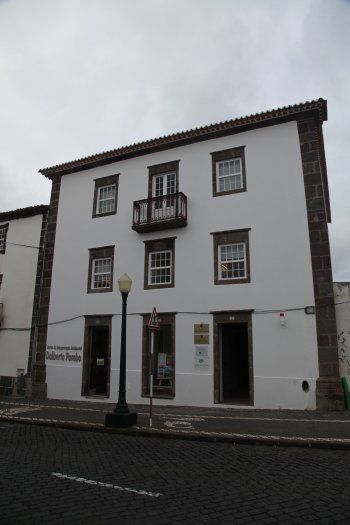
The museum's permanent exhibition regards the importance of clay and the man that worked it on the island. This space features the island's history through ceramics and ethnograp+hic rural objects, the production of linen and wool and the Espírito Santo (Holy Spirit) celebrations, with written documents of several epochs.
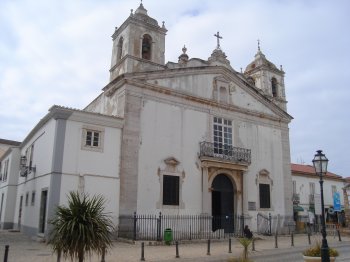
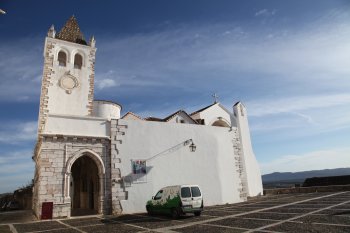
This church was built on the transaction period from the XIII century to the XIV century. It underwent several changes afterwards. It has baroque elements such as the campanile. On the inside it must be stand out the Holly Water Font.
This temple was built beetween the 15th and 16th centuries and later rebuilt following a fire. In its interior, a special note to the images of Our Lady of Assunção and Our Lady of Piedade. In the sacristy there is a set of images of the 18th century, with a special note to the image of Jesus as a Child, wearing clothes of the time.
This is a fifteen hundreds temple, placed next to the Castle. It is considered one of the most important religious works on the Renaissance final phase in the Alentejo area. Its filling includes the tombstones with the most remarkable Portuguese families’ Coat of Arms. The project is accredited to Miguel de Arruda.