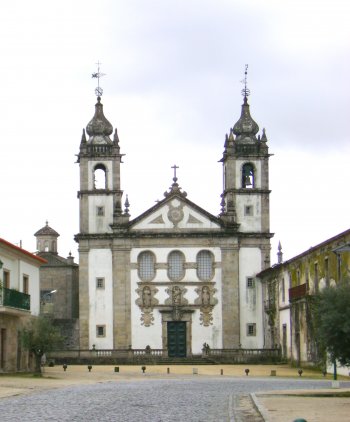
Explore the best places
Results for Mosteiro dos Jerónimos in Portugal


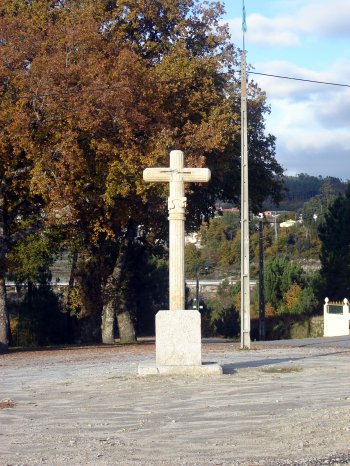
Cruzeiro de Mosteiro
- heritage
Largo do Presépio
3600, Castro Daire
Este cruzeiro em pedra de forma cilíndrica trabalhada tem cerca de três metros de altura e um degrau na base.
Mosteiro da Cartuxa
- heritage
Rua Cândido dos Reis
7000-582, Évora
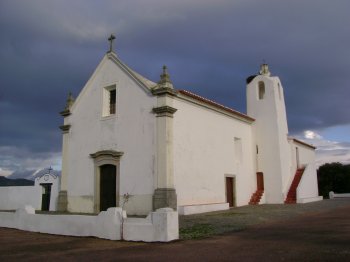
This 16th-century convent preserves its two-story, rectangular cloister. The church, designed by Afonso Álvares, has a single nave covered in tiles. Of particular note are a tombstone and a 16th-century sculpture representing Saint Bacchus.
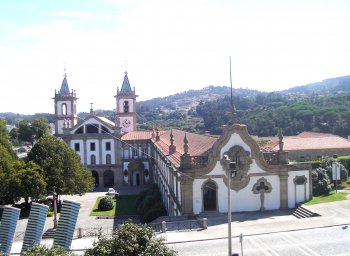
Mosteiro de São Bento / Mosteiro de Santo Tirso
- heritage
Largo Abade Pedrosa
4780-368, Santo Tirso
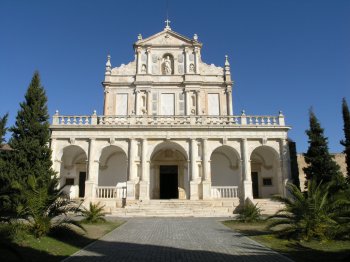
Founded in the 8th century, this monastery was rebuilt in the 13th century. From that time, the Gothic cloister with an arched arch with abundantly ornamented capitals remains. The church, built in the 17th century, is preceded by a narthex, with three arches topped by niches. The entire interior is worthy of reference, particularly the carvings.
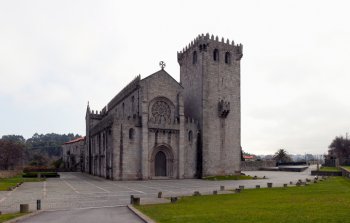
Mosteiro de Leça do Balio
- heritage
Rua de Santos Lessa
4450-332, Leça do Balio
The Monastery of Leça do Balio, already existing in the 10th century, was profoundly altered in the 14th century under the direction of Estêvão Vasques Pimentel. From the 16th century, several interventions by Diogo Pires, the “Moço” stand out. The monastery church, restored in 1930, is one of the most important examples of Gothic architecture in Portugal. In this church took place the marriage of King Dom Fernando and Dona Leonor Teles. It was also the first headquarters of the Military Order of the Hospital.
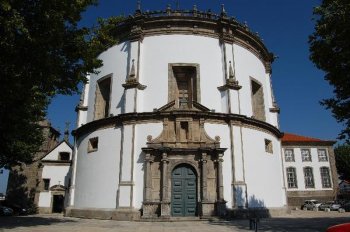
Mosteiro da Serra do Pilar
- heritage
Largo de Aviz
4430-329, Vila Nova de Gaia
Built on an escarpment above the Douro River, Serra do Pilar, and with Porto as a backdrop, the monument is a former convent of the Canons Regular of Santo Agostinho, founded in 1537. This work has undergone a significant number of transformations which completely modified the initial project, presenting a circular shape and being surrounded by a balcony and topped by a light lantern. The interior features 18th century carvings and sculptures and the upper part is of Baroque origin, being considered a unique example in Portugal due to the circular church and cloister.
Monte do Vale Mosteiro
- hotels
Monte do Vale Mosteiro
6060-454, Rosmaninhal
Propriedade tranquila situada na freguesia de Rosmaninhal, no Parque Natural do Tejo Internacional na beira interior. Este alojamento rural típico, dispõe de uma piscina exterior e de um montado de azinho verdejante a perder de vista. Os quartos elegantemente decorados, duplos ou de casal, apresentam soalho de madeira à portuguesa, incluem ar condicionado, uma casa de banho privativa com produtos de higiene pessoal gratuitos e uma televisão de ecrã plano.
Mosteiro de Santo André de Rendufe / Mosteiro de Rendufe
- heritage
Avenida do Mosteiro
4720-626, Mosteiro
Baroque Benedictine monastery renovated in the 16th and 18th centuries. It has a church, rebuilt in the 18th century, with a symmetrical facade and two bell towers. The barrel-vaulted roof and the gilded altarpiece are worth highlighting. Also, worth mentioning, although it is in ruins, is the cloister area, made up of nine-bay galleries, with Tuscan granite columns, a decorative fountain in the center made of carved stone and several flowerbeds.