Explore the best places
Results for Vila Praia de Âncora in Portugal


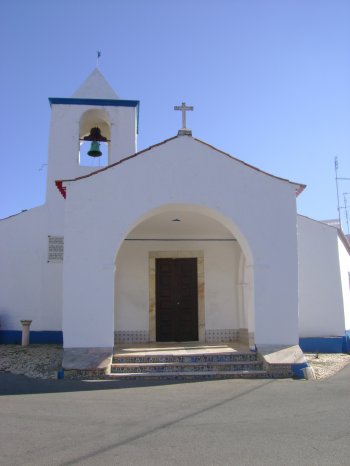
Casa Fundevila - Hotel de Charme
- hotels
Lugar da Fundevila, 1
4730-579, Soutelo
The Casa de Fundevila was built in the 16th century and offers eight well-furnished rooms, dining room, library with a terrace with a phenomenal view, a small rural Museum and a wine cellar where wine tasting guided. Abroad, especially the gardens, the swimming pool and the barbecue.
Igreja Matriz de Rio Tinto/ Igreja de São Cristovão
- heritage
Largo do Mosteiro - Rua da Lourinha, 33
4435-346, Rio Tinto
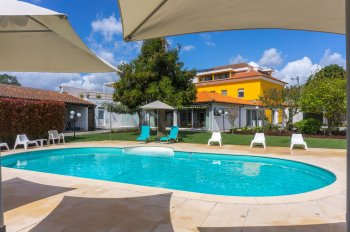
18th century church rebuilt in 1830. In 1758 it is referred to as belonging to the Monastery of São Cristóvão de Rio Tinto. In this temple, the fronts with tiles and panels of saints, the two towers and the carillon with 17 bells deserve special mention. Its imposing facade is still evident.
Igreja Matriz de São Brás de Alportel
- heritage
Largo da Igreja
8150-151, São Brás de Alportel
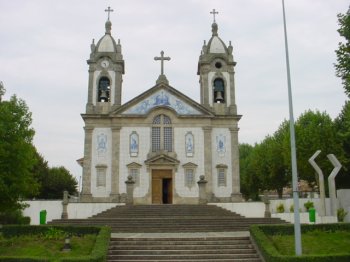
La iglesia tiene planta longitudinal, compuesta por tres naves y cinco tramos. En su interior destaca el baptisterio barroco del siglo XVIII, con un retablo de mármol, único ejemplar en el Algarve.
Cruzeiro de São Domingos
- heritage
Rua Batalhão de Caçadores
3810-064, Aveiro
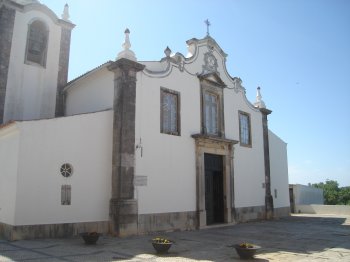
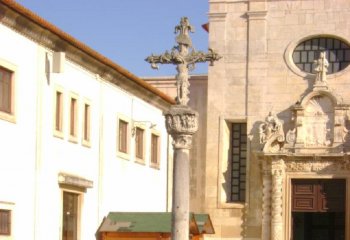
The Cruzeiro São Domingos (calvary), also known as Cruzeiro de Nossa Senhora da Glória is from the end of the XV century. The original is inside the Aveiro Cathedral since the 70ies. It is a quattrocentist calvary with scenes of the Passion and Death of Jesus Christ sculpted in low relief.
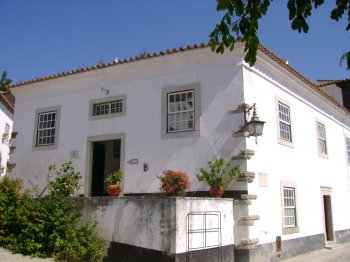
Edifício da Pousada de Óbidos
- heritage
Calçada da Misericórdia
2510-122, Vila de Óbidos
An 18th-century building with a longitudinal plan, composed of two volumes of two and three stories. In the mid-20th century, a new building was added to serve as a hospital and home for charitable institutions, where they remained until 2000. Currently, it houses the Pousada Castelo de Óbidos.
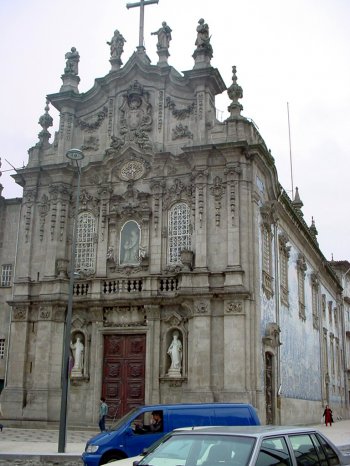
Igreja do Carmo
- heritage
Rua do Carmo
4050-164, Porto
Planned by the architect José de Figueiredo Seixas, this church, built between 1756 and 1768, clearly differs, by its exuberance and majesty, from the neighbour Carmelitas Church. We point out the grand azulejos panel that covers the lateral façade, by the Italian Silvestre Silvestri.
Igreja do Corpo Santo
- heritage
Rua do Corpo Santo, 17
1200-182, Lisboa
Convent built by initiative of Fra Domingos do Rosário, in an area offered by D. Afonso VI. The earthquake of 1755 destroyed it. In 1758 the reconstruction began, being its location slightly moved to west. It is a religious architecture construction from the Marquês de Pombal period.
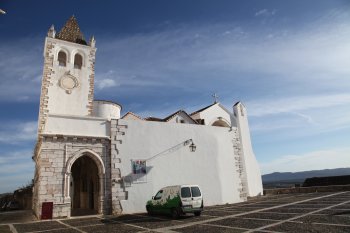
Igreja de Santa Maria
- heritage
Largo Dom Dinis, 14
7100-509, Estremoz
This is a fifteen hundreds temple, placed next to the Castle. It is considered one of the most important religious works on the Renaissance final phase in the Alentejo area. Its filling includes the tombstones with the most remarkable Portuguese families’ Coat of Arms. The project is accredited to Miguel de Arruda.
Palácio do Egipto
- heritage
Rua Doutor Neves Elyseu
2780-228, Oeiras
18th century palace built by family Rebelo de Andrade. After going through the hands of several owners, this property was acquired by the City Council in 1979. Since 2007 which is under restoration and is expected to be inaugurated here some municipal galleries, a restaurant and a bookstore.
Igreja Paroquial de São Tiago
- heritage
Largo da Igreja
7150-363, Rio de Moinhos
This church has a rather simple white façade with blue finishing. The inside is entirely covered with murals representing Santiago’s life and its miracles. Aimed at the inhabitants of Rio de Moinhose it still possesses the former Calvary, a piece of work from the end of the XIII century.