Explore the best places
Results for Vila Praia de Âncora in Portugal


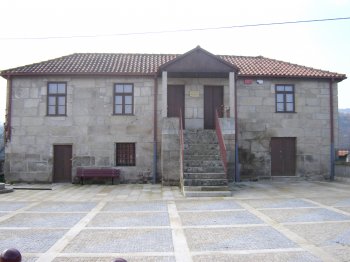
Museu da Venda Nova
- heritage
Largo do Pelourinho, 1
4870-187, Ribeira de Pena
Housed in a building that once served as the Town Hall and the county jail, however destroyed by fire and retrieved for museological purposes, the interpretation centre of Venda Nova aims to present exhibitions that monographic study and disclose the assets of the municipality, as is the flax or Cycle the coats of arms of the municipality of Ribeira de Pena.
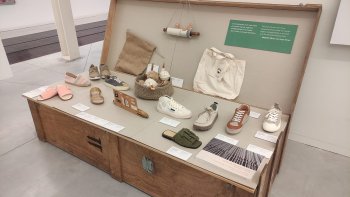
Museu do Calçado
- heritage
Rua Oliveira Júnior, 591
3700-204, São João da Madeira
Este museu retrata a memória da indústria do calçado em São João da Madeira e a realidade do design de calçado em Portugal no século XX, apontando ainda caminhos da vanguarda tecnológica e criativa do século XXI.
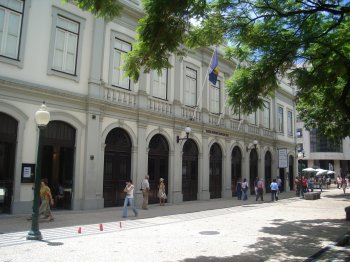
Teatro Municipal Baltazar Dias
- art
Avenida Arriaga
9000-060, Funchal
Theatre built in the end of the XIX century by the architect Tomás Augusto Soler. It was first called Teatro Dona Maria Pia, and then changed to Teatro Funchalense, after that to Teatro Manuel de Arriaga and at last Teatro Baltazar Dias, paying homage to the Madeira dramaturge from the XVI century.
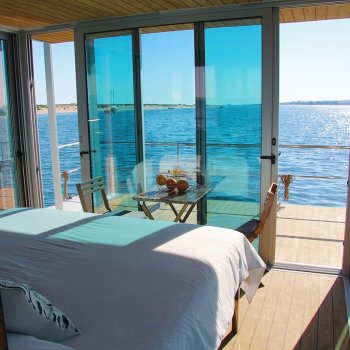
Barcos Casa Fuzeta
- hotels
Avenida Dr. César Oliveira
8700-038, Fuseta
Localizados em pleno Parque Natural da Ria Formosa, estes Barcos Casa são embarcações autossuficientes que proporcionam aos hóspedes a oportunidade de dormir com as estrelas, mergulhar em águas azul-turquesa e apanhar sol numa ilha deserta.
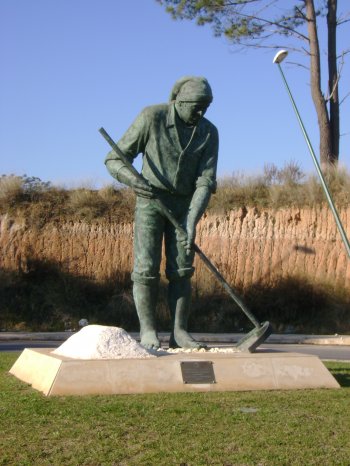
Homenagem ao Salineiro
- heritage
Estrada Marinhas de Sal
2040, Rio Maior
As is well known, Rio Maior is known mostly for being a place of salinas de rock salt, this being his main activity in the region. In this sense, this bronze statue to commemorate not only the activity, as well as workers of Rio Maior they make, even today, of the extraction of salt to their source of income.
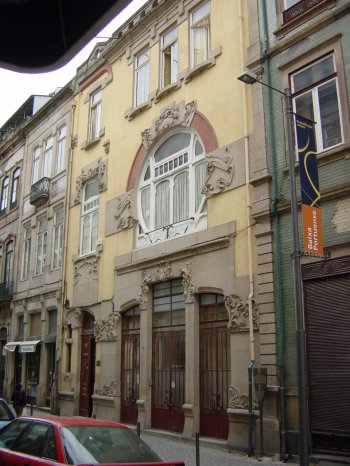
Edifício na Rua da Galeria de Paris
- heritage
Rua da Galeria Paris, 28
4050-284, Porto
The building at the Galeria de Paris Street was built in 1906. Its façades is Art Nouveau style covered with azulejos (tiles). The decoration in ashlar masonry and the unusual circular window that overlays the portal stand out. This circular window is dived in three parts, of glass and iron, and is at the first floor.
Ermida de Nossa Senhora da Oliveira
- heritage
Rua de São Julião
1100-527, Lisboa
Chapel that occupies the ground floor of a three storeys building from the Marquês de Pombal period. On the façade there’s a portal cased with ornamental ashlar masonry and tympanum, formed by three doors. Inside, the single nave is covered with white and blue glazed tiles representing the life of the Holly Mary.

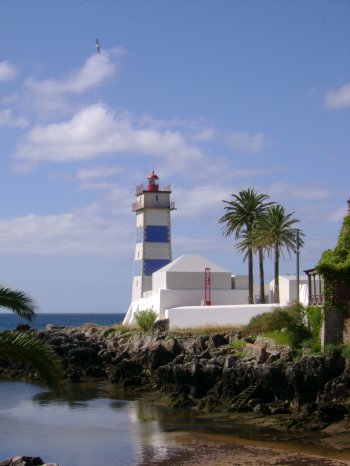
Farol de Santa Marta
- heritage
Rua Farol de Santa Marta
2750-800, Cascais
The farol de Santa Marta is one of the oldest in the municipality and played an important role in the safety of Cascais and the guidance of boats to dry land. Despite maintaining its functions, currently houses a museum space dedicated to five centuries of Portuguese headlights life, its history and heritage value.
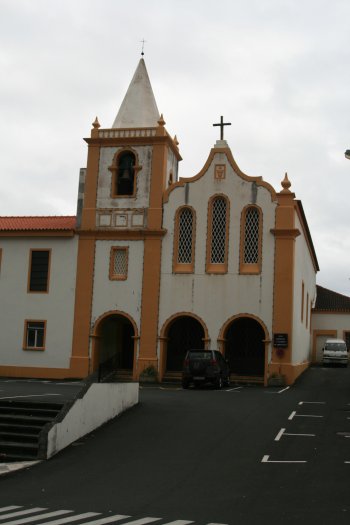
Igreja de Nossa Senhora da Conceição / Igreja de São Francisco
- heritage
Rua do Corpo Santo
9800-541, Velas
Church dating from the 17TH century, formerly part of the convent of São Francisco das Velas. The elaborate cornices in black lava and gilt. Suffered a major restoration process at the beginning of the 20th century, and is currently on the tutelage of the Irmandade da Santa Casa da Misericórdia de Velas.
Igreja de Nossa Senhora da Esperança / Edifício e Igreja do Recolhimento dos Orfãos
- heritage
Avenida Rodrigues de Freitas, 341
4000-222, Porto
Built in terreiro de São Lázaro, second the stroke of master António Pereira, the work of the Recoil of the orphan girls was built between 1724 and 1743. In 1746, is initiated the construction of the Church, according to assigned project, for some, the Nasoni. The interior features several altarpieces in talha, of Baroque style.
