Explore the best places
Results for [COKHERE.com] order hydromorphone Wanaka private pure product in Portugal


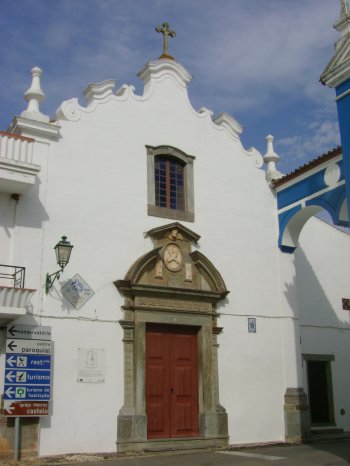
Igreja de São Francisco / Capela da Venerável Ordem Terceira de São Francisco
- heritage
Rua 9 de Abril
7240-233, Mourão
Baroque church that maintains its original design, consisting of a very simple nave. It was built during the reign of Kings João V and José I. Highlights include the pulpit built in schist and the typical tiles of the Real Fábrica de Lisboa. The portal displays a marbled medallion of the order of penance, symbolized by the cord surrounding two tables.
Palacete Pombal / Palacete dos Condes de Almeida Araújo
- heritage
Largo do Palácio Nacional de Queluz, 7
2745, Queluz
This extraordinary neoclassic building was outlined by José Costa e Silva and ordered to be built by the 2nd Marquis of Pombal in Queluz. The exterior spaces are developed around a central oval foyer. The sculptures were done by a sculptor from Mafra School, Francisco Leal da Costa and the stuccos pictorial decoration on the walls and ceilings is from Manuel da Costa.
Palácio dos Condes de Mesquitela
- heritage
Largo Doutor António de Sousa de Macedo, 1-N
1200-153, Lisboa
This is a large, sober construction from the XVII century, ordered by the minister António de Sousa Macedo, well integrated at the urban mesh. It started in a primitive nucleous where the chapel stands. The palace developed occupying the entire quarter, having the main façade facing north. It keeps panelling of glazed tiles from the XVII and XVIII centuries.
O Judeu
- food & drink
Rua Laje do Arado, 5
3640-170, Quintela
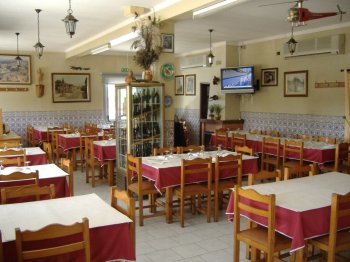
A typical restaurant whose decor includes paintings of monuments from the region. It feature regional specialities and game dishes during the hunting season. It is alsoa barbecue house. Some dishes have to be pre-ordered, namely the "cozido à portuguesa", the "borad beans à moda da casa", the "pica-no-chão rice" or the boar with chestnuts.
Praça do Comércio
- heritage
Praça do Comércio
3000-116, Coimbra
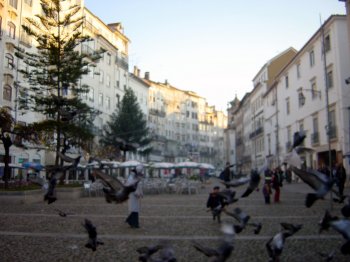
In this square, one of the prettiest in Coimbra, there are the São Tiago and São Bartolomeu Churches, the Pelourinho (pillory) and 17thand 18th centuries buildings. At the area there are also several commercial establishments and esplanades and various fairs take place here. The names of the streets that start from the square descend from the works people had, selling the final product at the square.
Alijó
- country
- heritage
Alijó
4870, Alijó
Located in the Barroso region, this village, surrounded by green landscapes, still has communal customs, such as the village's oven. Th following monuments stand out: a simple, granite chapel devoted to Saint Amaro, the culm houses, used for agricultural products and animals, and several rural houses, namely the "Portela House". The Celebrations of Saint Amaro are on January 15.
Casa do Mundo Rural de Prados
- heritage
Prados
6360-120, Celorico da Beira
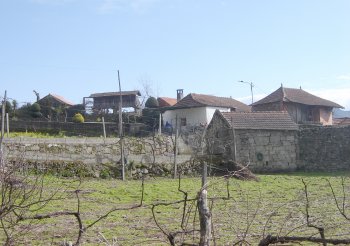
This museum is located in a typically Portuguese atmosphere, recreating the experiences of the past, at a time when the facilities within a dwelling were practically non-existent. Consisting of two storeys, the lower lived animals, serving as heating of the House itself, and where there was also a fundraiser for agricultural products. On the top floor of the kitchen, living room, a room for the couple and another for the children.
Complexo Monumental de Santiago da Guarda
- heritage
Rua Conde Castelo Melhor
3240-690, Santiago da Guarda
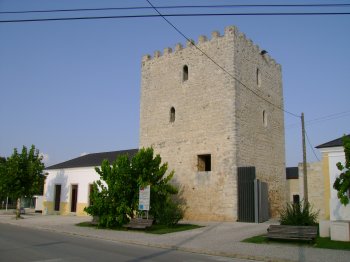
Monumental set where the transition from the tower-housing to the fortified palace with courtyard and attached outbuildings is clear, built on a Roman villa and integrated into the Portuguese Way of Santiago, traced over the old Roman road. Below the tower are the remains of the villa's atrium, with its mosaics. It has an interpretation center, a Manueline chapel and a store selling regional products.
Museu do Queijo
- heritage
Rua dos Casaínhos
6200-591, Covilhã
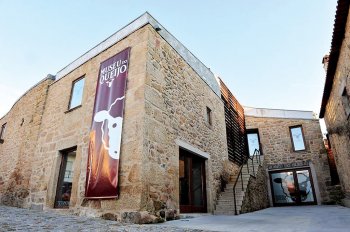
Open since 2011 in the parish of Peraboa, it allows visitors to learn about the manufacturing process of the famous Serra da Estrela cheese, one of the hallmarks of this region. Through a route enriched with 2D and 3D projections, visitors discover everything involved in the production of Serra cheese, from how it was made in the past to modern methods. At the end, there is a cheese tasting.
Fonoteca Municipal do Porto
- heritage
Rua Pinto Bessa, 122 - Armazém 12
4300-427, Porto
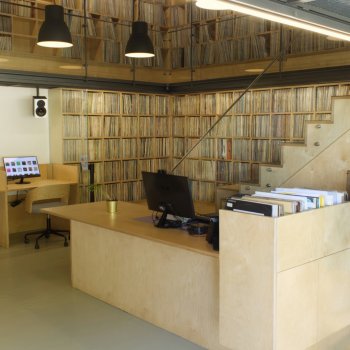
The Fonoteca Municipal do Porto (FMP) is a sound archive and a public space for music appreciation made up of the collection of vinyl records from the city of Porto. Music lovers will find here a representative archive of a large part of the record production in Portugal, records imported by international artists and works with non-musical content, such as poetry or political speeches.