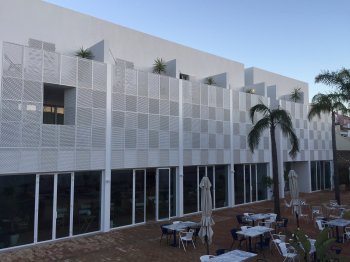
Explore the best places
Results for Vila Praia de Âncora in Portugal


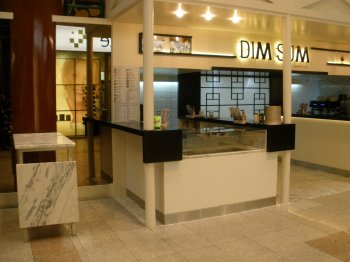
Dim Sum Amoreiras
- food & drink
Avenida Engenheiro Duarte Pacheco, 2037 - Amoreiras Shopping Center, loja 1028
1070-103, Lisboa
Dim Sum restaurant, located on level 1 in Hall of the Sushi Cafe, will provide a delicious range of flavours and aromas, where you can have a cup of tea of Fleur de Lys or a sparkling wine with a careful selection of Dim Sum. The Dim Sum are small pastries or cookies usually made with flour and steamed, fried or sometimes prepared on the plate, forming soft units and slightly spongy. There is a vast variety of options: shrimp, pork, vegetables, among others. Being cooked, especially steam, are very light and healthy. Traditionally are served in baskets where they …
Centro Ciência Viva do Alviela - Carsoscópio
- heritage
Praia Fluvial dos Olhos de Água do Alviela
2380-450, Alcanena
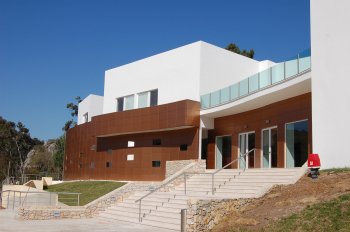
The Alviela Living Science Center – Carsoscópio is a space for scientific and technological dissemination that, through three interactive exhibition rooms, presents the origins of the Estremenho Limestone Massif and its geological evolution over 175 million years, as well as the influence of climate on the hydrological functioning of the Alviela River source and the characteristics of cave bats, animals that call this area one of their preferred habitats. Located near the source of the Alviela River, in the heart of the Serras de Aire e Candeeiros Natural Park, the Carsoscópio uses cutting-edge technology developed in Portugal to promote the …
Hospedaria Convento de Tibães
- hotels
Mosteiro de São Martinho de Tibães - Rua do Mosteiro
4700-565, Braga
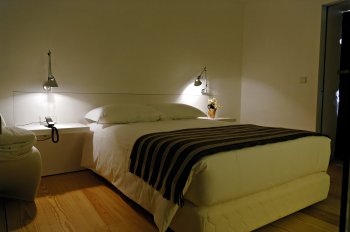
The Guest House Convento de Tibães, in secular monastery of Saint Martin Tibães, former headquarters of the Benedictine congregation, which is the guesthouse of the same name. Completely refurbished and adapted to its new functions, this unit offers nine rooms, with en-suite bathroom, and all of them decorated with modern elements, which will ultimately result in an interesting contrast with the austerity of the monastic building. It also has a modern restaurant, with a menu inspired by the letter of the monks. Abroad, the gardens complete the landscape. Guests have free access to the monastery, during your hours of operation …
Casa dos Bernardos
- hotels
Largo da Misericórdia, 10
4840-110, Terras de Bouro
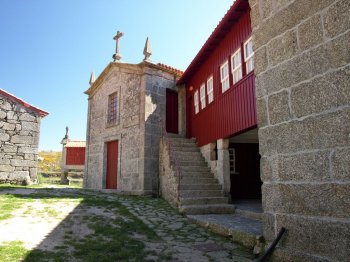
The Bernardos ' House is located just a few miles from Terras de Bouro and is the ideal offer for younger groups and relaxed. The construction, in traditional masonry, was recovered by the City Council, its owner, due to its historical and cultural interest. Properly adapted and recovered for tourism, the municipality of Terras do Bouro, Casa dos Bernardos offering five apartments of various types. Here, you can see a Hawthorn of 16 meters, the largest in the County, and a beautiful chapel. The natural beauty of the landscape, coupled with quiet, promises days of vacation well spent. The unit …
Quinta de São José dos Montes
- hotels
Estrada dos Montes, 134
2300-087, Olalhas
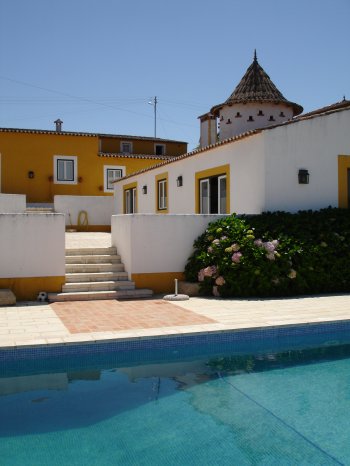
Quinta de São José dos Montes is inserted into the largest maritime pine forest stains of the Iberian Peninsula, in the region to take. The stunning views from the porch, allows visitors to observe various animals in their natural habitat, as well as farm animals. On the right bank of the albufeira of Castelo do Bode, are the three apartments that make up this Thursday and that are arranged around a courtyard with pool, lounge and dining room and a porch with barbecue for moments of pure leisure and fun in contact with nature. In another area of the farm …
Casa da Pereira
- heritage
Rua Fernão de Magalhães
5060-333, Sabrosa
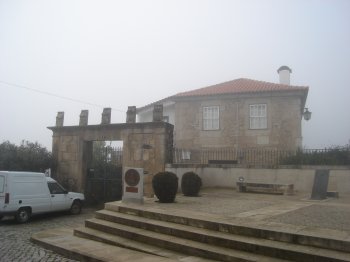
Although the certainties are not absolute, everything suggests that Fernão de Magalhães was born in this house, and there is even a reference to Sabrosa in the navigator's will. Being a rural farm house, it has popular civil architecture, characterized by small openings, without erudite elements. The coat of arms inserted in one of the cornerstones of the house would have been chopped by order of King Manuel I, as the navigator made his great voyage of discovery at the service of the kings of Spain. The house was never sold and passed to the current owners by inheritance. In …
Museu do Caramulo
- heritage
Rua Jean Lurçat, 42 - Caramulo
3475-031, Caramulo
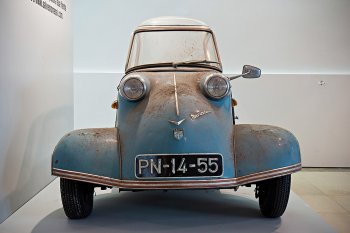
The museum features an art collection begun in 1953 by Abel de Lacerda, with offerings from renowned collectors and contemporary artists such as Vieira da Silva, Jean Lurçat, Salvador Dali, and Pablo Picasso. The famous collection of cars, motorcycles, and bicycles that you can admire here began with João Lacerda in 1955 and includes vehicles that have participated in over 100 events (races, rallies, and competitions) over the past 25 years, mostly abroad. The permanent exhibition features 30 motorcycles and 70 cars, representing 36 brands from seven countries. There is also a varied collection of antique bicycles and tricycles that …
Axis Ponte de Lima Golf Resort Hotel
- hotels
Quinta de Pias
4990-620, Ponte de Lima
The Axis Ponte de Lima Golf Resort Hotel is located on top of a hill, from which one can enjoy the green landscape that surrounds the modern building, built in 2003. With 40 rooms spread over 2 floors, this space is ideal for those who enjoy sports. Play a game of tennis, swim a few laps in the indoor pool, work out in the fitness area or simply enjoy the green landscape and the comfort of the hotel to refresh batteries and breathe fresh air. One of the gains of the hotel's 18-hole golf course. To help in this aspect …
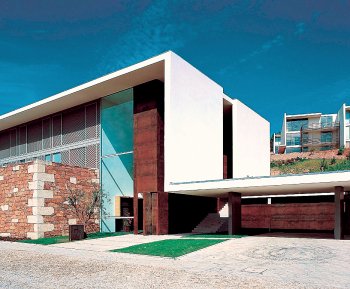
Belmar Spa & Beach Resort
- hotels
Estrada do Porto de Mós
8600-513, Lagos
Luxurious development consists of an aparthotel and two blocks of flats, with fantastic views of the beach of Porto de Mós. The aparthotel offers Studios, apartments T1, T2 and T3 and two-bedroom duplex apartments. Each property is furnished and fully equipped. There is also a modern gym with sea views, two spacious fitness studios and an indoor swimming pool, as well as four outdoor pools and a children's pool. The multi-purpose sports field allows the practice of tennis and soccer, and the playground is ideal to keep youngsters busy. The lobby bar of the hotel is the ideal place to …
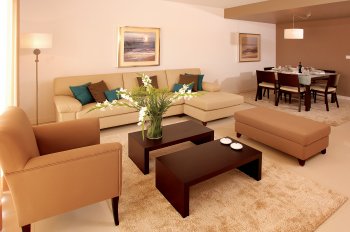
Casa Mãe
- hotels
Rua do Jogo da Bola, 41
8600-712, Lagos
Com vista para a antiga cidade histórica e para o mar, a Casa Mae é composta por três casas muito diferentes que combinam o antigo e o novo, tradições e design moderno com artesanato português. 30 quartos. Restaurantes. Horta orgânica e uma horta fora da cidade. Café artesanal. Vinhos naturais. Fine dinning. Fornos tradicionais. Churrasco ao ar livre. Concept store . Piscina em triângulo. Cinema ao ar livre. Ioga e ginásio . Oficinas de culinária, agricultura e artesanato