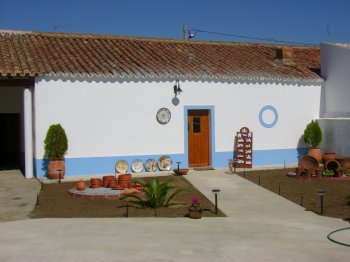
Explore the best places


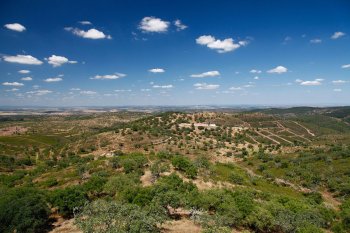
Serra de Portel
- country
Serra de Portel
7220, Portel
Located on the southern edge of Central Alentejo, this mountain range features evergreen deciduous forests dominated by cork oak and holm oak groves. Here, we find a rich fauna, particularly in terms of birds and predatory mammals. Its maximum elevation is 420 meters.
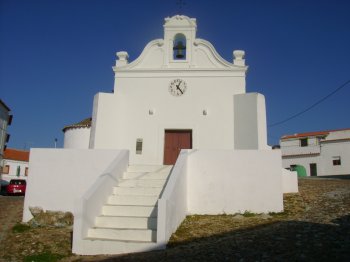
Igreja Paroquial de São Bartolomeu do Outeiro
- heritage
Largo da Igreja, 29
7220-526, São Bartolomeu do Outeiro
This Mannerist and Baroque church features a single nave with a groin vault and a dome in the chancel. Notable features include the façade's pediment and the side chapels with gilded altars.
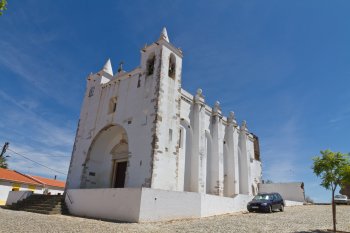
Igreja de Vera Cruz de Marmelar
- heritage
Largo da Igreja
7220-561, Portel
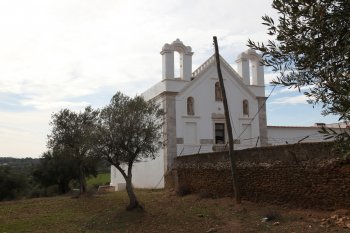
A grand 16th-century building built on two earlier structures from the 10th/11th and 13th centuries, traces of which remain in the apse and apsidioles. It preserves a niche of Visigothic decoration. The main façade features a square portico with a semicircular pediment from the Mannerist Reformation and two four-story towers, each with slits and topped by a Baroque bell tower.
Convento de São Francisco dos Capuchos da Piedade
- heritage
Travessa do Convento dos Capuchos
7220, Portel
A Franciscan convent founded in 1547 by Dom Teodósio I, Duke of Braganza. It underwent extensive renovation in 1726 and, in 1834, was converted into a warehouse for agricultural implements. Currently, it stands vacant and on private land.
Casa Nobre da Família Gil Borja de Meneses
- heritage
Praça da República
7220-374, Portel
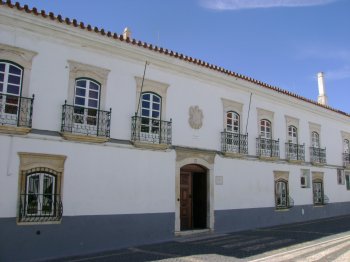
This two-story building, dating back to the Joanine period, features a stately architecture dating back to the 18th century. The family crest adorns the main door. All the windows on the upper floor open onto a small balcony. Currently, it serves as a retirement home.
Castelo de Portel
- heritage
Rua dos Arcos - Praça Dom Nuno Álvares Pereira
7220-375, Portel
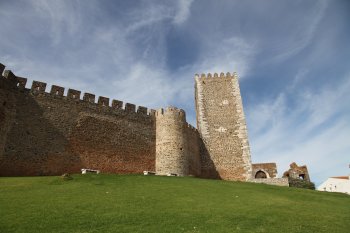
An important example of military architecture, this castle was built in the 13th century. It has the shape of an irregular octagon, and the keep, with rooms covered by Gothic vaults, is made of marble. Currently, the Palace of the Mayors and the Dukes of Braganza, and the Manueline-Mudejar chapel, remain. The residential buildings, barracks, and military warehouses in the Plaza de Armas are in ruins.
Amieira Marina
- beach
Marina da Amieira
7220-999, Portel
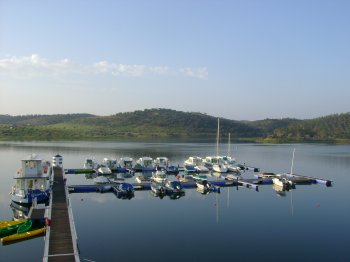
A place of great beauty where you can stroll, dive, fish, and enjoy other activities. Houseboats and boats can also be rented here by the day. There's a dock for cruise ships and private parking for boats.
Aldeia dos Pequeninos
- heritage
Travessa do Burralho, 2
7220, Portel
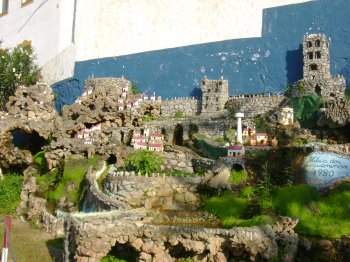
A small garden where you can see small artifacts of the village, such as the water tank, the village's cliff-side streets, the mill, the national flag, the April carnations, the streams and some waterfalls.
Igreja de Nossa Senhora da Lagoa
- heritage
Largo Dom Nuno Álvares Pereira
7200-175, Reguengos de Monsaraz
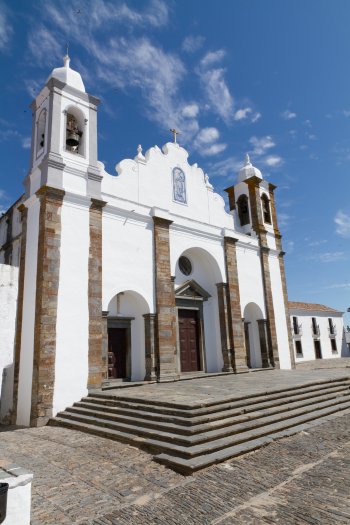
The 16th-century Parish Church of the Town of Monsaraz replaced the previous Gothic church, which had been contaminated by the plague. The marble tomb arch by Gomes Martins Silvestre, depicting a funeral procession of 17 people, is one of the most important monuments. In the center of the pediment, a tile panel depicts the Virgin of the Conception. The façade features two quadrangular towers and a false portico with three blind arches.
Mufla
- leisure
Rua Doutor José Garcia da Costa, 10
7200-139, Reguengos de Monsaraz
Mufla is a space dedicated to the production of utilitarian and decorative red clay ceramics. Operating since 1995, this shop continues to use the potter's wheel and hand-painting to produce a wide variety of handcrafted pieces that quickly become the finest in Alentejo ceramics.