Explore the best places


Centro de Educação Ambiental de Vale Gonçalinho
- country
Herdade do Vale Gonçalinho - Apartado 84
7780-909, Castro Verde
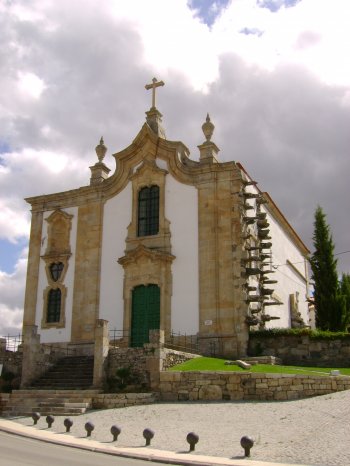
This educational center aims to educate visitors about the birdlife of the municipality's various habitats, with a special focus on steppe birds. To this end, it organizes activities and environmental walks. By appointment, you can birdwatch, go on bike rides, or even watch scientific fieldwork.
Rua Dom Afonso Henriques
- heritage
Rua Dom Afonso Henriques
7780-183, Castro Verde
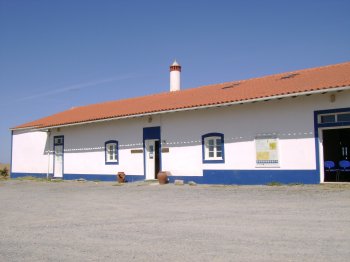
Rua Dom Afonso Henriques is one of the most emblematic streets in the municipality of Castro Verde, stretching from Praça da República to Largo Victor Guerreiro Prazeres, passing through Largo da Câmara. It is around this street, with its Portuguese pavement, that some of the municipality's most important monuments and buildings are located, from a political, administrative, and religious perspective. Of note are the Church of the Chagas do Salvador (or Church of Our Lady of Remedies), the Castro Verde Parish Church (or Royal Basilica), the Monument-Standard commemorating the Battle of Ourique, and the City Hall building.
Moinho de Vento
- heritage
Largo da Feira
7780-131, Castro Verde
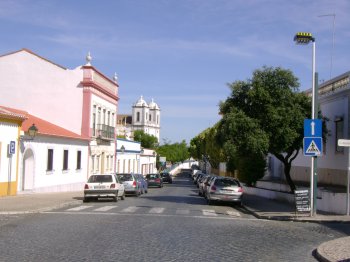
A tower mill restored in 2003, although the exact date of its construction is unknown. Decommissioned since the 1930s, it served as a residence until its restoration by the city government. All that remains of the original building are the tower and the sleepers supporting the floors of the interior floors.
Igreja Matriz de Castro Verde / Basílica Real de Castro Verde
- heritage
Praça do Município
7780-217, Castro Verde
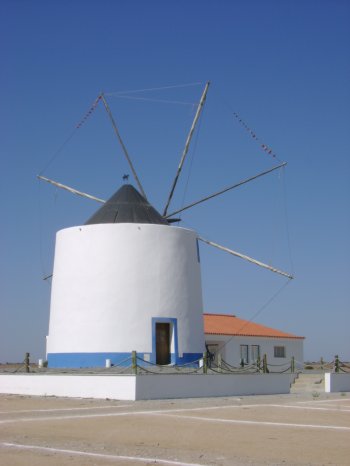
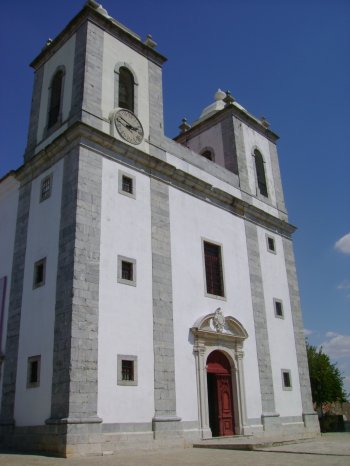
The church consists of a nave and a chancel, with a symmetrical façade framed by two bell towers. It sits atop a former temple commissioned by King Sebastian in 1573, and was constructed between 1727 and 1735, during the reign of King John V. Inside, highlights include eighteenth-century tile panels depicting the Battle of Ourique and the Basilica's Treasury.
Igreja das Chagas do Salvador / Igreja de Nossa Senhora dos Remédios
- heritage
Rua Dom Afonso Henriques
7780-183, Castro Verde
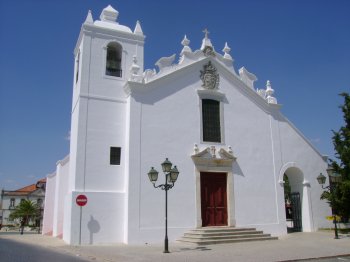
This church was built on top of another church, whose founding is legendary and attributed to D. Afonso Henriques. In the 18th century, the façade was rebuilt, displaying an interesting Baroque style. Inside, a marbled stucco main altarpiece with a gilded throne and some 18th-century tiles inspired by Dutch models stand out.
Local Histórico da Batalha de Ourique
- heritage
São Pedro das Cabeças
7780-251, Castro Verde
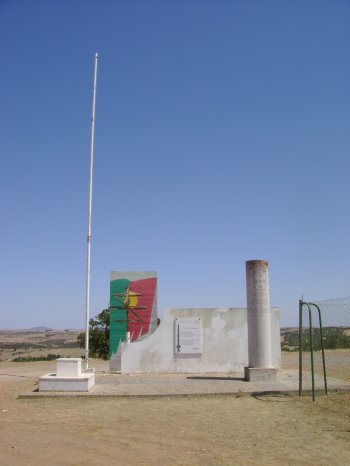
Although the location of the famous Battle of Ourique is not agreed upon by all historians, many point to the "Campo de Ourique" as the likely site of the battle between Christians and Moors. The battle, which took place in 1139, resulted in a crushing victory for the Christian troops led by D. Afonso Henriques. Such a victory led Dom Afonso Henriques to proclaim himself King of Portugal on the battlefield itself. Confirmation of the title was only issued by the Holy See in 1979. According to legend, which began to be recounted in the 14th century, on the day …
Capela de Nossa Senhora da Trena
- heritage
Rua da Trena
5180-023, Freixo de Espada à Cinta
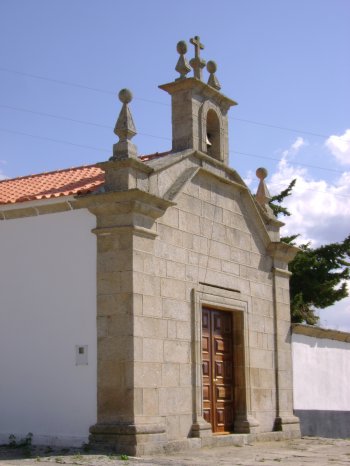
Mannerist chapel consisting of a nave, chancel, and sacristy attached to the left side façade. The main façade has a round-arched bell tower.
Miradouro da Cruzinha
- country
- leisure
Rua do Cemitério
5180, Freixo de Espada à Cinta
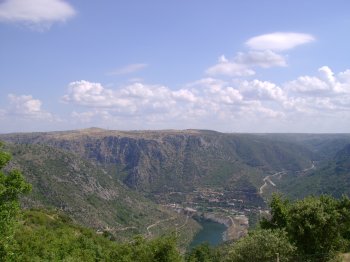
A place offering beautiful panoramic views of the lush green mountains, with the Douro River separating them.
Igreja da Misericórdia de Freixo de Espada à Cinta
- heritage
Rua de Trás do Adro, 26
5180-146, Freixo de Espada à Cinta
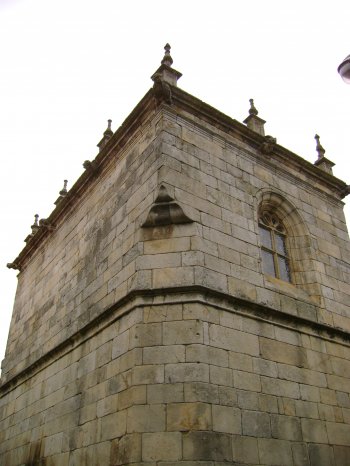
The church, probably built in the 16th century, has a rectangular plan with gilded altars, a vaulted chancel, and an axial portico. Its façade is simple, with only a few gargoyles standing out.
Igreja do Convento de São Filipe Néry
- heritage
Avenida Guerra Junqueiro
5180-104, Freixo de Espada à Cinta
A single-nave, Baroque church of the hall type, in a poor state of conservation. It is an unfinished work, as evidenced by the existence of departures for the continuation of construction on one facade.