Explore the best places


Paços da Cultura de São João da Madeira
- art
Rua 11 de Outubro, 89
3700-150, São João da Madeira
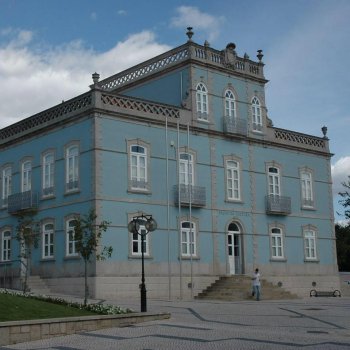
The former City Hall building has been transformed into the Paço da Cultura (Culture Palace). It houses an auditorium with approximately 200 seats, a café-concert venue, an internet space, an area reserved for outdoor events, exhibition galleries, and the City's Historical Archive.
Jardim Público da Ponte
- country
- leisure
Avenida da Liberdade
3700, São João da Madeira
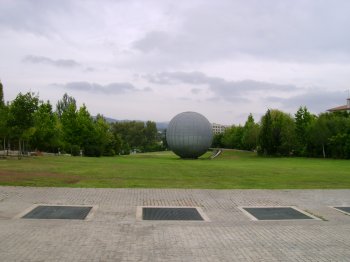
This garden, designed by architect Sidónio Pardal, is one of the main green spaces in São João da Madeira. A very well-maintained and pleasant area, it runs parallel to Avenida da Liberdade and extends from the City Hall building to the bridge, reaching the Ul River and its banks. The garden connects to the Urban Park located along the valley traversed by the same river.
Centro de Arte de São João da Madeira
- art
Rua da Fundição, 240 - Oliva Creative Factory
3700-119, São João da Madeira
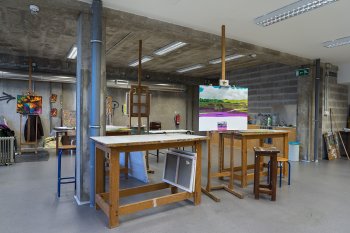
The Art Center began its activities in May 1986, with the intention of creating a space that would allow privileged access to cultural initiatives in terms of visual arts, as well as training in very specific areas of art not covered in academic curricula. It offers courses in painting, printmaking, tapestry, photography, and screen printing, among others, and activities such as exhibitions, workshops, and colloquia.
Museu da Chapelaria
- heritage
Rua Oliveira Júnior, 501
3700-204, São João da Madeira
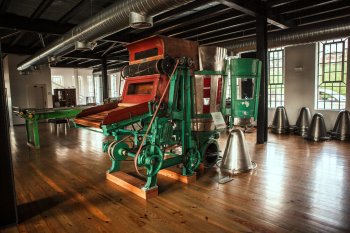
The Hat Museum is a space whose primary objective is to preserve the art of hat making, once renowned and a symbol of the municipality, with facilities that include a documentation center containing approximately 30,000 documents from the Industrial Hat Company and the Vieira Araújo Company, as well as felt and hat manufacturing machines, office supplies, samples, raw materials, and furniture.
Miradouro da Ponta Delgada (Este)
- country
- leisure
Estrada das Feiteiras
9240, São Vicente
A viewpoint overlooking the sea, equipped with lighting, allowing for beautiful night views.
Miradouro de Cardais de Baixo
- country
- leisure
Cardais de Baixo
9240, São Vicente
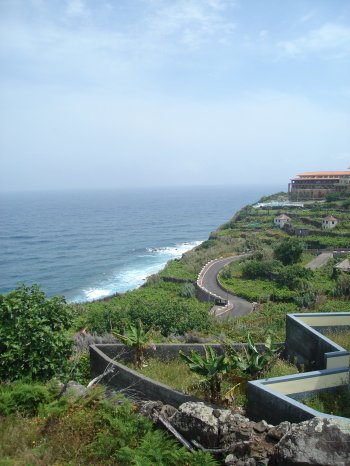
A place with panoramic views of the sea and the characteristic green hills of Madeira.
Miradouro da Roça
- country
- leisure
ER220
9240, São Vicente
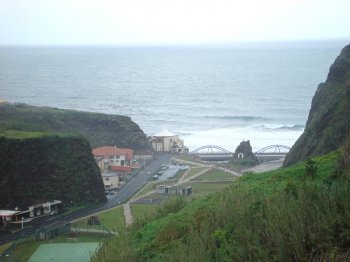
A lookout point with tables and benches and a beautiful view of the ocean and the inland trails of the island.
Miradouro de São Cristóvão
- country
- leisure
Caminho da Barreira
9240, São Vicente
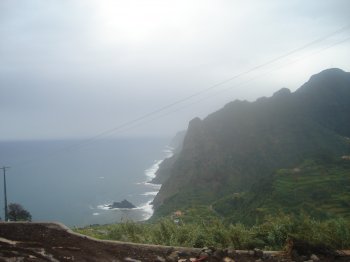
A place with views of both the sea and the interior of the island.
Igreja do Bom Jesus
- heritage
Estrada Padre Casimiro Freitas Abreu
9240, Igreja
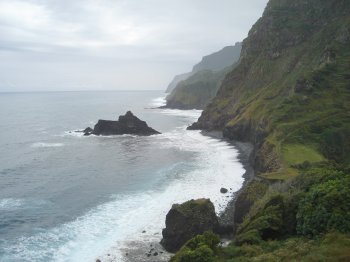
A church in a rural location, by the sea, facing the sea to the north, surrounded by mountains. The altarpieces are of neoclassical white and gold carved wood, and the sacristy preserves Baroque elements.
Capela de São Vicente
- heritage
ER101, 78 - Avenida Marcos Marques Rosa
9240, Calhau
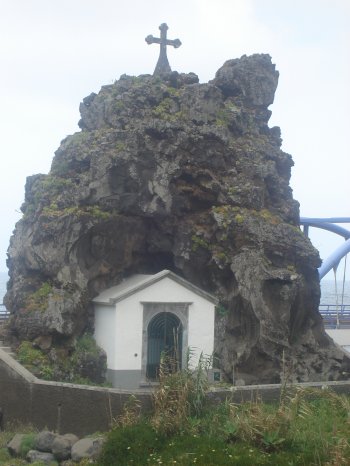
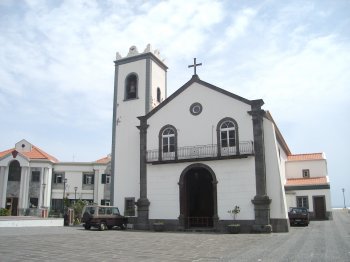
A very small chapel with simple lines, nestled into a higher rock formation that protects it from the sea. It is one of the landmarks of São Vicente.