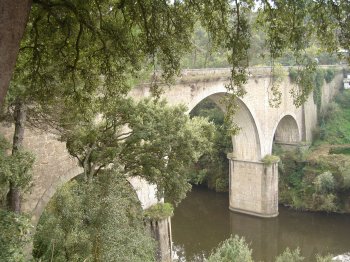
Explore the best places


Capela do Carvalhal / Igreja do Santíssimo Sacramento
- heritage
Largo do Santíssimo
2540-371, Carvalhal
La iglesia fue fundada por la reina Leonor a principios del siglo XVI. Remodelado en el siglo XVIII, el campanario también es de esa época. El interior, de tres naves, está revestido con azulejos del siglo XVII. Cabe destacar el retablo mayor original, ahora en la sacristía, compuesto por cinco paneles con pinturas de António Costa de 1600 e imaginería.
Santuário do Bom Jesus do Carvalhal / Igreja Paroquial de São Pedro de Finisterra
- heritage
Rua Senhor Jesus do Carvalhal
2540-367, Carvalhal
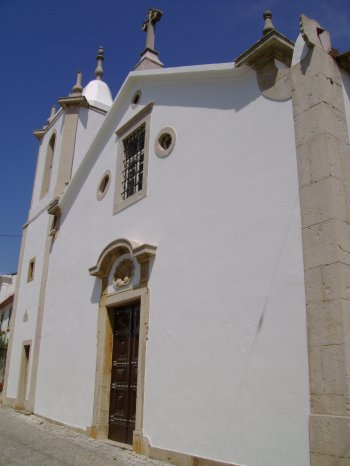
A sanctuary built in various eras, with an irregular floor plan and eclectic architecture. Inside, a notable feature is an 18th-century painting on canvas depicting Saint Salvador.
Capela da Madre de Deus
- heritage
Rua da Madre de Deus
2540, Bombarral
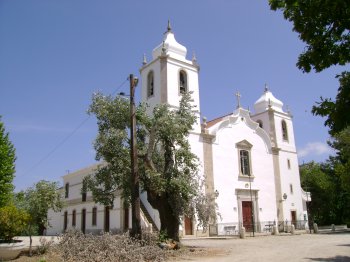
A Mannerist chapel with a rectangular plan, consisting of a single nave and a chancel. It underwent expansion work in the late 16th century. Inside, a notable feature is a mural painting on the church ceiling, depicting the Virgin Mary and Child Jesus.
Quinta das Cerejeiras
- heritage
Rua da Madre de Deus
2540, Bombarral
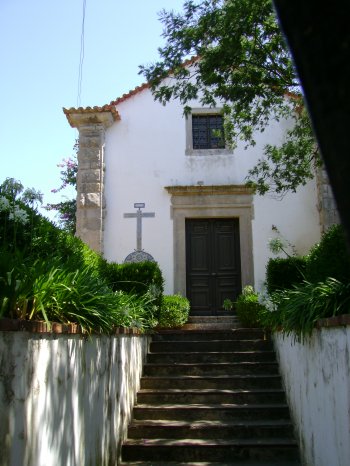
This farmhouse features a 17th-century tile panel, a small museum, and a wine shop displaying a variety of products from the farm.
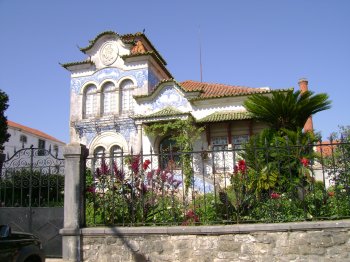
Edifício do Teatro Eduardo Brazão
- heritage
Rua Dom Nuno Álvares Pereira, 25
2540-073, Bombarral
A classical Italian horseshoe theater, very rare in Portugal. Inside, the wooden structure of the boxes stands out, with decorative gilded stucco applications. Eclectic decorative elements are also visible in the main hall: the walls are decorated with shell-shaped moldings and (neoclassical) festoons with stucco symbols alluding to the theater. There are also hints of Neo-Baroque and Art Nouveau styles (iron railings on the large window).
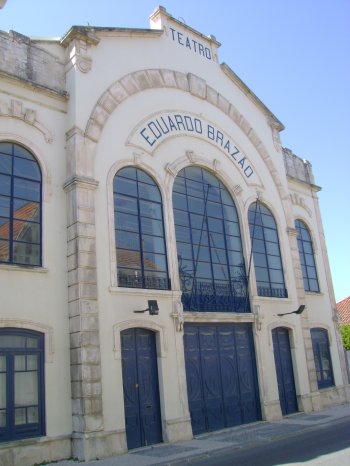
Palácio Gorjão / Palácio dos Coimbras
- heritage
Rua Dom Afonso Henriques
2540-081, Bombarral
Built in the 17th century, this building boasts noble facades, notable for its emblazoned portal and balconies. Currently, it houses the Regional Museum, exhibition rooms, and the Tourist Office.
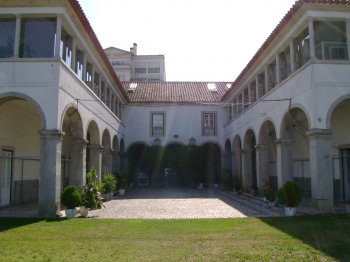
Capela de São Brás / Ermida de São Brás
- heritage
Rua de São Brás, 8
2540-136, Bombarral
A small porch-covered galilee was torn from the temple's façade. The interior is lined with 16th-century tiles. It houses a 16th-century altarpiece and a stone image of the patron saint.
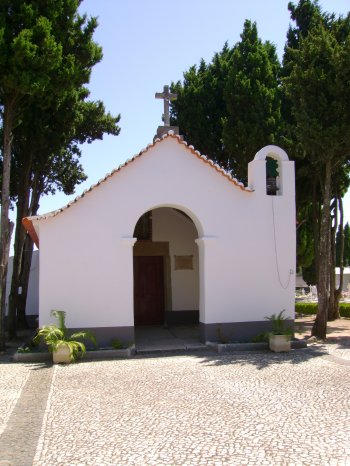
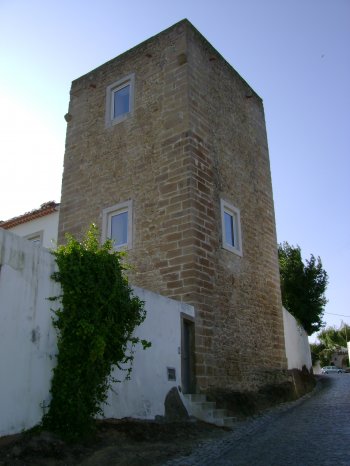
Torre do Carvalhal / Torre dos Lafetás / Torre dos Lajeitas
- heritage
Rua dos Lafetat
2540-332, Carvalhal
The exact date of its construction is unknown, but it is known only that it existed in the mid-13th century. It is believed to have been donated by Dom Sancho II to a nobleman.
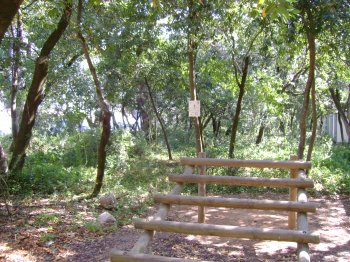
Mata Municipal do Bombarral
- country
- leisure
Praça do Município
2540, Bombarral
This is the town's most important green space, with approximately four hectares of forest. Initially a hunting reserve, it later became a private garden and later a municipal park. It's an area of ecological balance.
Ponte de Caninhas
- heritage
EN225
4690-858, Bairros
Bridge over the Paiva River. It is in good condition. With only one small arch, the building presents a somewhat monumental appearance.