Explore the best places
Results for Palácio da Pena in Portugal


Palácio Farrobo
- heritage
CM241
2600, Farrobo
Palácio em ruínas do qual apenas restam as paredes exteriores.
Palácio da Mitra
- heritage
Largo Félix da Silva Avelar Brotero
2660-119, Loures
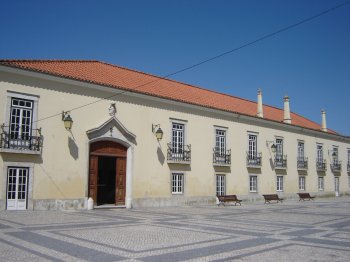
Former residence of archbishops, Palácio da Mitra or Palácio dos Arcebispos is a 16th-century building in the shape of a "u", which features typical Portuguese tiles in the rooms, also characterized by the thematic decoration of the time (representations of rural scenes, seasons or cooking). The church was completely rebuilt in the 16th century. The statues that decorate the interior rooms of the palace are from this period, as well as the monumental fountain, in Baroque style.
Palácio do Infantado
- heritage
Praça da República
2135, Samora Correia
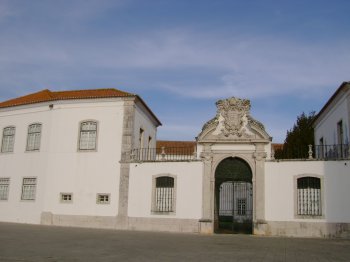
Located in the historic center of Samora Correia, it is one of the most striking buildings in the village. Also known as Palácio da Companhia das Lezírias, its interior was destroyed in a violent fire in 1976. Despite this, it remained a heritage reference and is currently a cultural space that includes a library, an auditorium and exhibition galleries.
Palácio Flor da Murta
- heritage
Rua da Flor da Murta
2770-186, Paço de Arcos
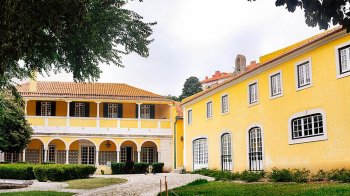
Datado de 1549, o Palácio Flor da Murta fazia parte de um vasto domínio senhorial designado por “Quinta da Terrugem”, pertencente à família Correia Barém. Da antiga propriedade, restam uma Adega e o palácio com dois pisos, remodelado no século XVIII. Atualmente, alberga um centro empresarial, mas os demais espaços existentes permitem a realização de eventos.
Cinemas NOS Palácio do Gelo
- leisure
Estrada de Nelas (C. C. Palácio do Gelo)
3500-606, Viseu
Integrated Cinema in the Palácio do Gelo shopping centre.
Queda de Água da Fraga da Pena
- beach
- country
Fraga da Pena
3305, Benfeita
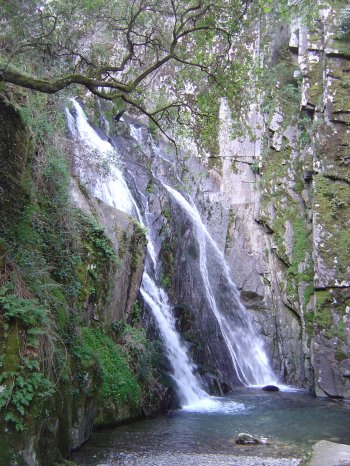
Located within the Serra do Açor Protected Landscape Area, near the village of Benfeita, Fraga da Pena is a kind of miniature replica of Poço do Inferno in the Serra da Estrela mountain range. As the waters of the Barroca das Degrainhas stream flow towards the Ribeira da Mata stream, they encounter a drop of more than 20 meters, forming a waterfall and, below, a small lagoon. The rock formation is entirely covered in moss and surrounded by vegetation. The temperature there, even in summer, is extraordinarily low.
Pena Park Hotel
- hotels
Rua do Complexo Desportivo de Lamelas
4870-110, Ribeira de Pena
Localzado em Ribeira de Pena, este amplo espaço possui 93 quartos e suites, restaurante à la carte, bar-cafeteria, salas conversíveis, spa com banho turco e sauna, centro de fitness e um magnífica piscina.
Palácio da Bolsa
- heritage
Rua Ferreira Borges
4050-253, Porto
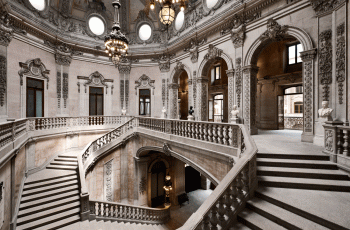
Palácio da Bolsa was built in the mid-19th century by the Porto Commercial Association. In a Neoclassical style, this building reflects the commercial flourishing of the city of Porto. All the compartments on the main floor offer details that prove the enormous sumptuous interest: in the furniture, in the chandeliers and above all in the ceilings, some made of valuable wood. However, all covered with a thin film of gold, the Arab salon is the room that best crowns the large investment of the 19th century Porto bourgeoisie.
Pena
- country
- heritage
Pena
3330, Pena
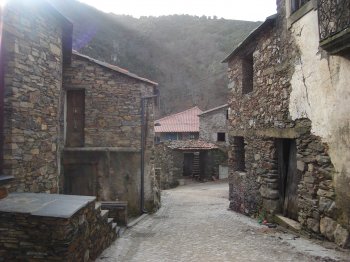
Located at the Penedo de Góis (Góis Rock), this small mountain village has several traditional schist houses along narrow alleys.
Pena
- country
- heritage
Pena
3660, Pena
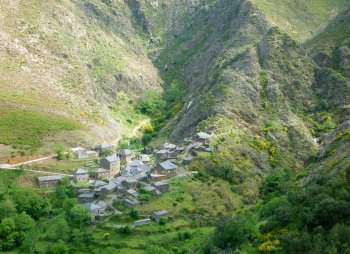
A village located in a deep valley in the Gralheira mountain range. The houses are traditional, built of schist. The population is dedicated to pastoralism and agriculture, particularly irrigated crops, particularly corn. This town is one of the best-preserved small, typical villages. It has only ten houses and half a dozen inhabitants.