Explore the best places
Results for Palácio da Pena in Portugal


Jardim do Palácio dos Arcos
- country
- leisure
Rua Costa Pinto
2770, Oeiras
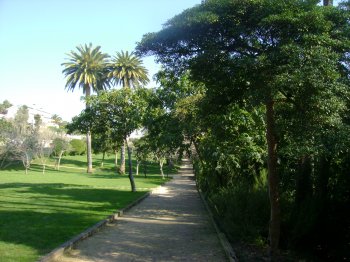
Garden with approx. 1.4 acres where green is the predominant colour. Here you can stroll through multiple paths with shade and rest in the garden benches.
Jardins do Palácio da Mitra
- country
- leisure
Rua Padre Adriano
2660-119, Loures
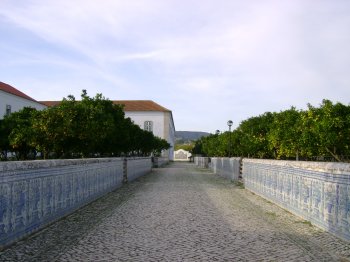
This garden is an important element in the construction of the Palace program. The wall that gives you access is decorated with sculptural elements in stone, with meandering ponds own Baroque contours and tiled decorations.
Jardins do Palácio de Seteais
- country
- leisure
Rua Barbosa du Bocage, 8
2710, Sintra
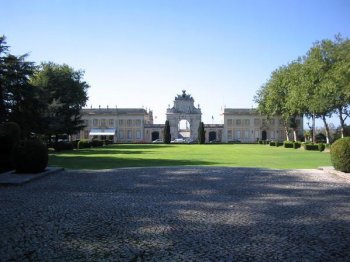
The gardens in the romantic style have a strong cultural influence from England. The palace has wide lawns sided by alleys that dignify the building. In the backside, there is a boxwood garden with hedges, quite elaborate.
Conjunto do Palácio das Necessidades
- heritage
Largo do Rilvas - Largo das Necessidades, 58
1350-276, Lisboa
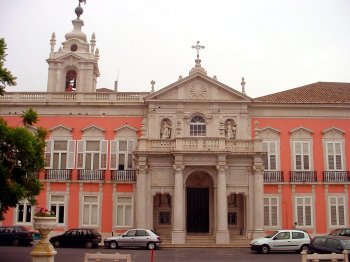
Located at the Alcântara centre, it was one of the rare constructions that stood the earthquake of 1755. The palace has beautiful gardens, where you may enjoy a vast collection of exotic plants. Right in front of this building there is a fountain. It was a royal residence until the beginning of the XX century (almost all the Portuguese kings lived here), when the monarchy was abolished in Portugal. In 1910, the palace saw its precious art collections divided by several museums.
Museu Rural de Palácios
- heritage
Bairro de Cima
5300-873, Bragança
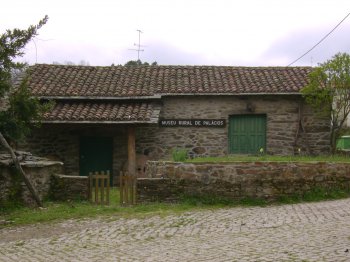
Installed in a former mill community, this space houses a collection of ethnological nature, who witness the cenibra and traditional crafts, as well as the furniture and utensils of the House popular.
Palácio Nacional de Mafra
- heritage
Terreiro D. João V
2640-492, Mafra
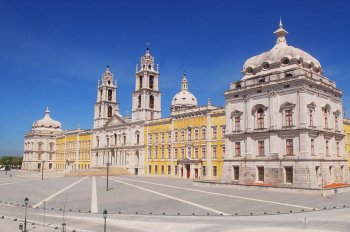
Considered the most important baroque monument in Portugal, the Palace of Mafra was built by Dom João V. Integrates a set of six historical organs in the Basilica, an extraordinary library of the 21st century. XVIII, with about 38000 volumes and a Conventual Core, with a hospital at the time.
Palácio Nacional de Sintra
- heritage
Largo Rainha Dona Amélia
2710-616, São Pedro de Sintra
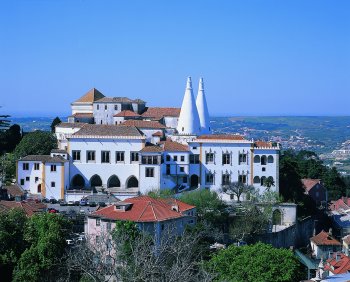
Firstly inhabited by the Moors, it became a residence of the Portuguese Royal Family from the 12th century on, during eight centuries. It combines several architectural styles, namely gothic, mudéjar and manuelin. It exhibits tiles and decorations collections from the 16th to the 18th centuries. In 1995, the UNESCO classed it as World's Heritage.
Escultura do Palácio da Justiça
- heritage
Palácio da Justiça - Rua Serpa Pinto
3660-511, São Pedro do Sul
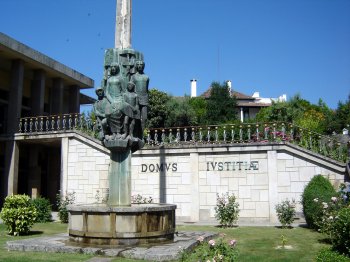
This sculpture is composed of a column about 7 feet tall is tapped by several human figures about 3 feet tall.