Explore the best places
Results for proceed to portal PROBLEMGO.com pay for early release from jail HMP Berwyn in Portugal


Percurso Pedestre - Marinhas do Sal
- country
Estrada do Sal
2040, Marinhas do Sal
The Salt Mines are located in the Serras D'Aire e Candeeiros Natural Park, 30 kilometers from the sea. The oldest reference to this natural resource dates back to the 12th century, and the use of rock salt is believed to date back to prehistoric times. Given the ease with which rainwater penetrates limestone, the streams eventually become underground. Thanks to one of these currents, the water becomes salty as it passes through the rock salt deposit. After being drawn from the well, it flows to concentrators and from there back to the distribution basin. Then, it flows to the butchers …
Tágide Wine & Tapas Bar
- food & drink
Largo da Academia Nacional de Belas Artes, 18
1200-289, Lisboa
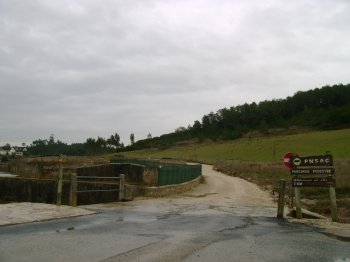
In the Chiado, the Tágide Wine & Tapas Bar is a relaxed and informal space, with a decor inspired by the years 50, where guests can enjoy fantastic views over the river Tagus, while tasting native wine or sipping a selection of tapas and snacks, national gourmet touch. The wine list exceeds the one hundred references and covers the countries of the new world. From Tuesday to Friday for lunch Menus. Friday, from the 19:30 h, there's live jazz.
Alegrete
- country
- heritage
Alegrete
7300-311, Portalegre
Village with origins that go back to the D. Dinis Reign, when it was inhabited. Besides its interesting historical value, the Alentejo characteristics also stand out in its constructions, namely the white row of houses. As for the architectonical patrimony are worthy of notice the Alegrete castle, National Monument, the clock tower, the parish church of S. João Baptista, a construction from the XVI century, the bandstand, the ruins of the S. Pedro chapel and the Misericóridia chapel, dated from the XVII century.

Oliveiras
- country
- heritage
Oliveiras
6150, Proença-a-Nova
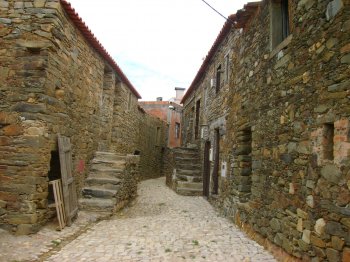
A typical Beira village, located just nine kilometers from Proença-a-Nova. The houses are made of schist, and the streets are typically narrow. Friendliness and hospitality are two inescapable characteristics of this village's population. It has nine houses that can be rented for one or more nights. The stay includes regional bread, typical local cheese, olive oil from Oliveiras olive trees, and firewood to keep your home comfortable. Activities are numerous and include outdoor activities.
Casa do Sol Nascente
- hotels
Rua da Alagoa
3800-881, Requeixo
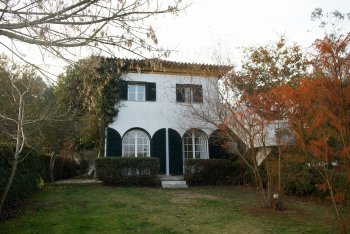
The House of the rising sun, a charming country house provides an environment different from the hotels, it was specially designed to accommodate small groups of guests, with great comfort, enjoying peace, tranquility and privacy. It is a small private house of turismo de habitação, installed in the center of Portugal. Provides personalised service to guests and friends from all over the world, luxurious rooms and all-you-can-eat breakfasts, being still possible, on request, to other meals.
São Rafael Atlântico
- hotels
Rua dos Corais
8200-613, Albufeira
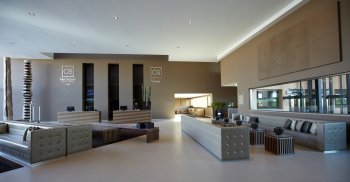
This new and modern hotel benefits from a privileged location overlooking the beach of São Rafael, a few minutes from the Centre of Albufeira. The interiors are spacious and full of natural light present traces of contemporary design. All rooms have large balconies overlooking the sea and the gardens, whose extension, with more than 1,000 adult olive and palm trees, provides a perfect Mediterranean landscape. There is also a modern SPA, which offers the most innovative treatments and therapies.
Museu Municipal de Faro
- heritage
Praça Dom Afonso III, 14
8000-167, Faro
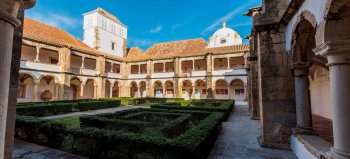
The first museum created in the Algarve, in 1874, is located in the former Convent of Nossa Senhora da Assunção. Deactivated in 1834, after the extinction of religious orders, the convent was used as a cork factory during the 20th century. Later, in 1960, the works of adaptation to a museum began. It presents permanent exhibitions of Archeology (Roman and Islamic periods), Religious Painting from the 16th to the 19th century and Painting from the 20th century, as well as temporary exhibitions of the most varied themes.
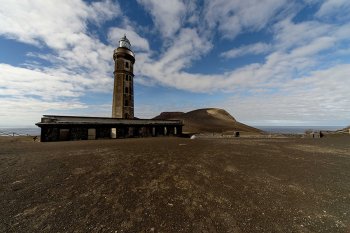
Farol da Ponta dos Capelinhos
- heritage
Capelo
9900-304, Horta
The Capelinhos lighthouse was completed in 1903, after works that took over nine years. Its primary function was maintained until 1957, when it was the eruption of the volcano. From that date was in ruins. Consists of a rectangular body of two floors (one of which buried) and a central octagonal tower. Their retraining and integration into the interpretation centre of Capelinhos volcano allows, nowadays, the ascent to its central tower from where you have a unique view on the rugged volcanic landscape.
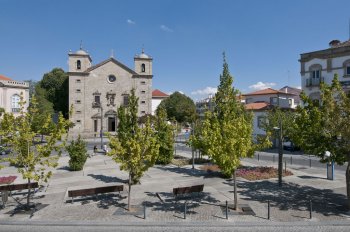
Igreja de São Miguel / Igreja Matriz de Castelo Branco / Sé Catedral
- heritage
Largo da Sé
6000-102, Castelo Branco
The Church of São Miguel, which was elevated to the rank of Cathedral in 1956, is located in an area where, since 1213, there are traces of a temple, which would have belonged to the Templars. It was rebuilt in the Renaissance style in the 17th century, although elements from the various construction stages are visible, such as the 16th-century transept, the 17th-century altarpieces or the 18th-century chancel. It has only one nave, separated from the chancel by a Renaissance arch, and the façade has few ornaments.
Minas da Campina de Cima
- country
Minas da Campina de Cima
8100, Loulé
This is the only mine still active in the region, since 1965. The salt extracted by vaults and sustainers, has the chemical industry as its main destination. The mine did not work from August 1993 to September 1994, due to the change of the extraction tower. From 1994 on, the levels of yearly production have been growing and are currently about 100 tons per year, which represents, in percentual terms, about 17% of the global production volume of salt in the country.