Explore the best places
Results for Palácio da Pena in Portugal


Igreja da Misericórdia de Oleiros
- heritage
Rua Dr. Francisco Rebelo de Albuquerque
6160-413, Oleiros
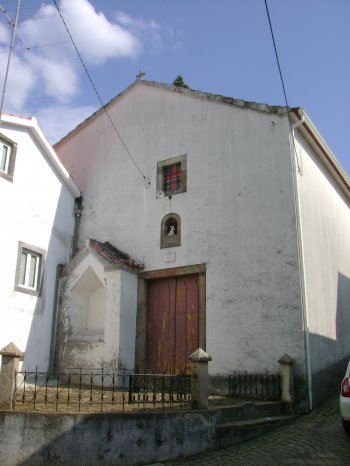
Religious architecture built during the reign of D. Manuel I, with a single nave and niche on the main facade, on which appears the inscription with the date 1714, which probably indicates the year in which the reconstruction works were completed. Inside you can see the national style gilded altarpiece and the images of: S. João Evangelista, Nossa Senhora das Dores, Senhor dos Passos and Senhor Morto. These images are life-sized and highly expressive.
Igreja da Trindade
- heritage
Rua da Trindade, 115
4000-220, Porto
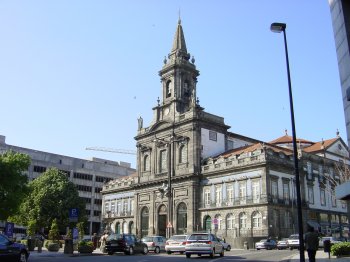
Planned by the architect Carlos Amarante, this church was built along the XIX century, by initiative of the Ordem da Trindade, at the Largo do Laranjal. The façade is classical and the walls are filled with neo classical retables. It stands out, in the principal chapel, a big panel representing the Baptism of Christ, by the painter José de Brito. The religious order also has several painting works, such as the Resende’s portraits and several copies of Italian painters, such as Rafael, Ticiano and Caravaggio.
Penedo da Forca
- heritage
Bairro das Eiras
3460-452, São Miguel do Outeiro
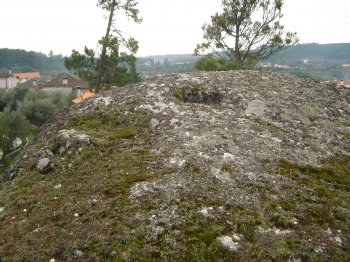
Large Boulder for compliance with penalty issued by the Court which is still known today Penedo da Gallows which was where they used to hang the condemned. There is a stone erected on top of a rock where there are traces of it exist still other stone. This Rock is a high point of the village sighted throughout the village, so that the death row stay visible, serving as example for wrongdoers. Is in degraded state, with some of the constituent stones of the place of execution out of place.
Camping Silveira
- hotels
Capuchos - EN8-6
2460-479, Alcobaça
Between the sea and the serra de Aire e Candeeiros, Parque de Campismo rural da Silveira is located in a former farmhouse, decorated of eucalyptus and cork trees. Features numerous green spaces where you can breathe fresh air and a covered area with tables, where you can also prepare your meals in grills. Visit the Alcobaça Monastery a few kilometres away or enjoy sea bathing on the beaches of Nazaré.
Parque de Campismo Parque Verde
- hotels
Avenida do Casal do Sapo, 61
2865-202, Fernão Ferro
The Green Park, located in Fontainhas, is a green space with beautiful lawns, ideal to enjoy your holidays or weekends away from the hustle of big cities. Enjoy to play with the kids, catch the afternoon sun or prepare meals outdoors, socialising with friends. Here you will have access to all services of the Park, from the swimming pool, gym, Auditorium, restaurants and market. Enjoy and visit the archaeological site of Coina or moinho da maré de Corroios.
Parque de Campismo Quinta da Chave Grande
- hotels
Rua do Barreiro, 462
3560-043, Sátão
The campsite Quinta da big key is a green space with a magnificent view of the Valley. Here you will be able to experience the daily life of a rural village, exploring the market and local food agricultural trade, with the possibility to participate in the feast of harvest. Try camping in the shade of the vines, fig trees, mimosas, chestnuts, among other trees that abound in the fifth. Be sure to visit the Manor of Arms and the dam of Távora, with countless nautical activities at your disposal.
Serra das Meadas
- country
Serra das Meadas
5100, Lamego
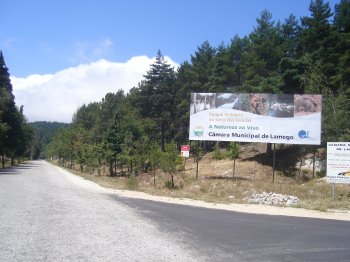
The hill overlooks the town of Lamego. The Biological Park, with an area of 50 ha, is located on the Meadas Hill. It has a wild environment with many local plant and animal species. At the distance of 1 km, one finds the Meadas Hill Wind Farm that should be visited. Another obligatory visiting spt is the Meadas Hill belvedere, with imposing views of the granitical Marão Mountain and,way down below, by the Douro river, the town of Peso da Régua.
Serra do Larouco
- country
Serra do Larouco
5470, Montalegre
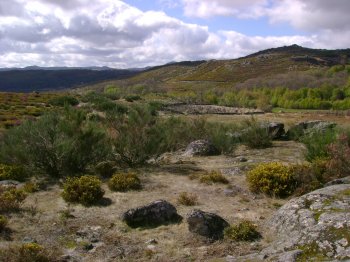
Located to the northeast of Montalegre, it belongs to the Old Massif. It measures 10 km and it is the second highest mountain in Portugal, with its peak at an altitude of 1527 metres, at the Fonte da Pipa (Barrel Fountain). From the top, one views the Lima, Tâmega, Cávado and Rabagão valleys, as well as several villages and the small town of Montalegre. Besides the landscapes, there are also horses and one can do mountain sports, such as hang gliding, paragliding, climbing and walks.
Praia de Porto Pim
- beach
Praia de Porto Pim
9900-020, Horta
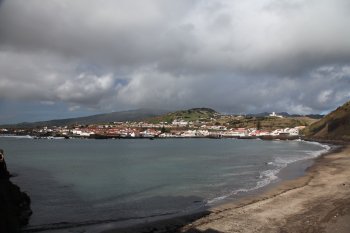
Hidden from the city of Horta by Monte Queimado, Porto Pim Beach has soft, black sand, very typical of these volcanic islands. The bay of Porto Pim is, without a doubt, a place of rare beauty. Monte da Guia and the aforementioned Monte Queimado constitute natural barriers to the entry of sea water, making these waters calm and deep blue. Its green spaces and fortification, make that bathers consider it the best beach on the island.
RUA - Tapas & Music Bar
- food & drink
Travessa de Cedofeita, 24
4050-183, Porto
Em plena baixa da Invicta, o Rua funciona como bar, restaurante de tapas e espaço de concertos. Está "aberto à rua", porque a vida está lá fora, nessa mistura de sons, de cheiros e de gentes. Destaque para a "Roda de Samba" às quintas e para concertos de música do mundo às sextas e sábados.