Explore the best places


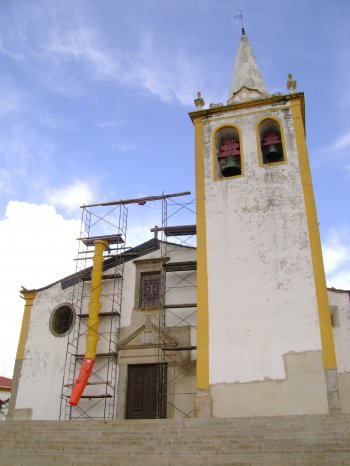
Igreja da Nossa Senhora da Conceição
- heritage
Largo da Igreja
7430, Crato
Temple built in the 13th century, it was completely rebuilt in the 15th century and remodeled in the 16th and 17th centuries. The facade, flanked by a bell tower, consists of a portico with a pediment surmounted by the Maltese Cross. Noteworthy are the 18th century tiles, the 17th century carvings, the 15th and 16th century statuary and the 16th century decoration on the exterior of the main chapel.
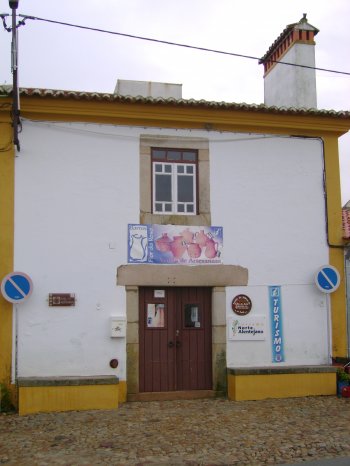
Barros - Flor da Rosa
- leisure
Rua Dom Nuno Álvares Pereira, 25
7430-221, Flor da Rosa
It is, perhaps, the most representative store of crafts in the region and also works as a Tourist Office. Here you can find wooden Christs, regional dolls, embroidery, cheese, honey, carving and restoration work, ceramics, among other relics.
Torre do Sino
- leisure
Rua Cavaleiros da Ordem Soberana e Militar de Malta, 17
7430-148, Crato
Shop belonging to Cláudia Saramago Tavares, where you can find or order ceramic pieces, inspired by Flor da Rosa, designed by her with great skill.
Jardim Municipal do Crato
- country
- leisure
Campo 1º de Maio
7430, Crato
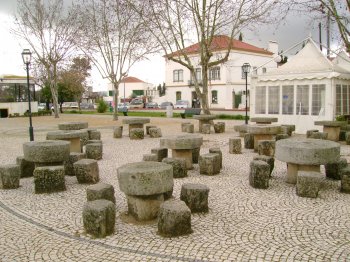
Very nice garden, with a bandstand in the center, lighting, garden benches, grassy areas and others with macadam. In a corner of the garden you can find a set of low tables and respective benches, made of stone.
Miradouro do Crato
- country
- leisure
Largo do Castelo
7430, Crato
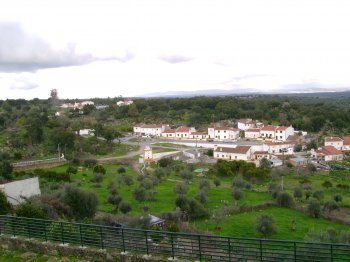
Viewpoint that allows the visitor to fill the view with the green landscape, where, somewhere in the middle, you can see typical houses, painted yellow, which form this picturesque view.
Museu Municipal do Crato
- heritage
Rua dos Cavaleiros da Ordem Soberana e Militar de Malta
7430-130, Crato
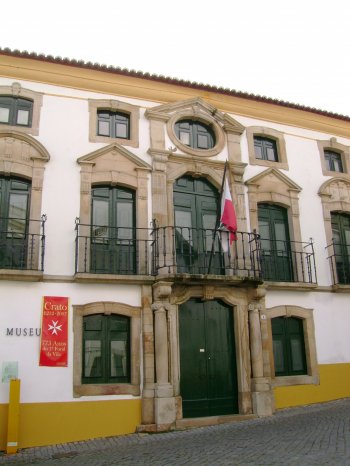
Museum installed in a house from the Baroque era, duly adapted and restored, with the purpose of making the history of this municipality known to the public from its beginnings to the middle of the 20th century.
Parque Aquático do Crato
- leisure
Rua 25 de Abril
7430-174, Crato
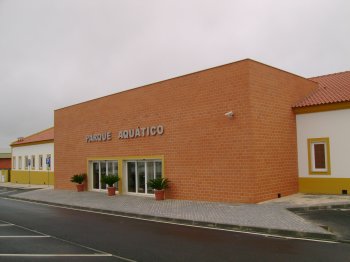
Space consisting of leisure area, swimming pools, restaurant, bar and terrace. The central tank, rectangular in shape, is divided into two areas: one for receiving the 30-meter water slide; another for leisure with a hydraulic shower chair for entry and exit for disabled people. Next door, a learning pool. And, for children, two independent splash pools, comfortable and safe.
Crato
- country
- heritage
Crato
7430, Crato
The county seat, the town of Crato, was built on the ruins of an important city, perhaps Carthaginian, and had a charter in 1232. There are several archaeological monuments in this area. The keep and walls remain of the old castle (Property of Public Interest). Traditional activities include woodworking, stonework and cork work. The region's cuisine is rich and varied.
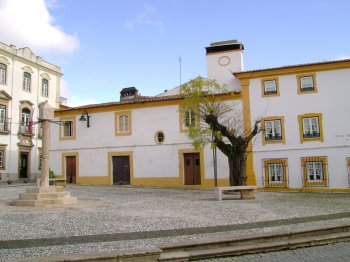
Igreja de Flor da Rosa / Convento de Flor da Rosa
- heritage
Rua do Mosteiro, 10
7430-211, Flor da Rosa
Founded in 1356, the building has high, crenellated walls made of dressed granite. The original design retains some towers with pointed doors and windows, sharp arched openings and columns. The church has a single nave, with the crossing arch of unusual dimensions. Note that the classification includes the tomb of Sir Álvaro Gonçalves Pereira. This complex construction is made up of 3 distinct buildings. The Gothic castellated Palace, expanded in the 15th century, giving it a Renaissance and Mudéjar design; the Gothic and Manueline fortress-church, with a single nave of great height and a wide transept and shallow transept; the …
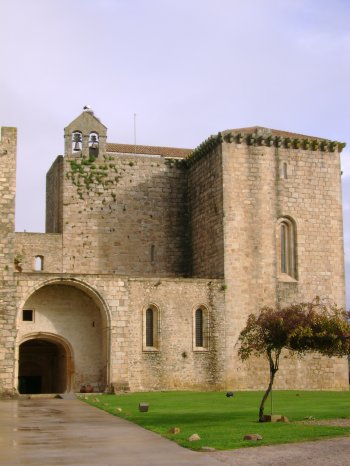
Castelo do Crato (vestígios) / Castelo da Azinheira
- heritage
Largo do Castelo, 1
7430-127, Crato
Four-pointed bastioned fortress with medieval-type walls and a redan. The ruins of the medieval fortification are visible in the central area, isolated walls or with structures attached to them for the construction of artillery platforms. As examples of ruins of modern fortification, there are four redan with a guardhouse and traces of chimneys and niches. The fort's door mantains the portcullises of the drawbridge, and there is a cistern right in the center of the fortification. Some sections of the wall and from the barbican are monumentally beautiful. The first fortress dates back to the reign of King Afonso Henriques, …