Explore the best places
Results for access main PROBLEMGO.COM buy a fake letter from the IRS saying I owe nothing in Portugal


Igreja de São Pedro de Grilhões
- heritage
Rua de São Pedro
2665-004, Malveira
Pombaline Church where stands out abroad, the design of the façade, designed to have two towers, of which only one remains. Inside are evidence of the high altar, some images (Santa Inês, São Paulo, Santa Lucia and the Virgin) and an organ, possibly from the 18th century.
Igreja de Nossa Senhora da Conceição / Igreja de São Francisco
- heritage
Rua do Corpo Santo
9800-541, Velas
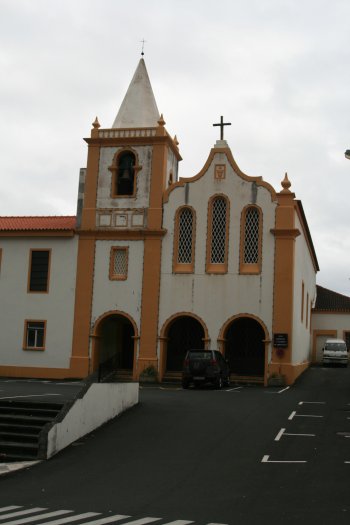
Church dating from the 17TH century, formerly part of the convent of São Francisco das Velas. The elaborate cornices in black lava and gilt. Suffered a major restoration process at the beginning of the 20th century, and is currently on the tutelage of the Irmandade da Santa Casa da Misericórdia de Velas.
Igreja de Santa Maria da Graça - Sé de Setúbal
- heritage
Rua Dr. Antônio Joaquim Granjo, 31 - 1º Esq.
2900-232, Setúbal
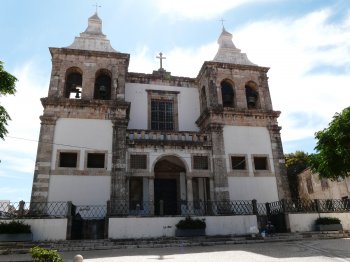
A building of medieval origin, dating from the 13th century and completely rebuilt in the 16th century. The 16th-century façade of this church, dedicated to Santa Maria da Graça, features two prominent bell towers. Inside, the fine examples of 18th-century tilework and gilded woodcarving are noteworthy.
Igreja de São João Novo
- heritage
Largo de São João Novo, 2
4050-066, Porto
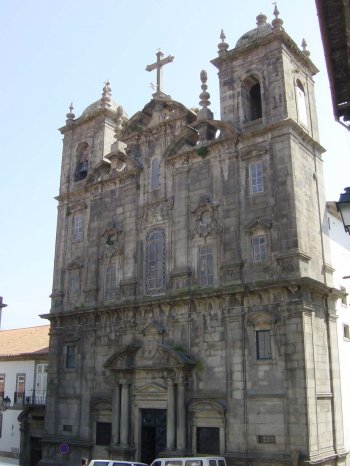
At the place where it was built, there used to be the São João de Belmonte Chapel. The façade of the São João Novo Church is an almost faithful copy of the Grilos Church. Inside, the classical-roman motifs predominate, such as the impressive baroque wood carving retables, from the XVII century and the azulejos panels.
Igreja de São Leonardo / Igreja Matriz de Atouguia da Baleia
- heritage
Largo de São Leonardo, 7
2525-029, Atouguia da Baleia
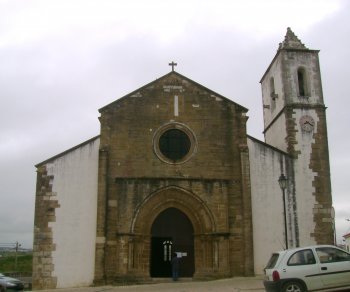
This temple was constructed in the 14th century and it displays a primitive Gothic character, dimed by Manueline elements, such as the sacristy door, and Mannerist features like the lateral chapels and the total coverage in pattern glazed tiles. On the nave ceiling it is possible to observe some panels picturing scenes from the Old Testament.
Núcleo Museológico do Convento de São Domingos / Antigo Convento de São Domingos
- heritage
Largo Professor Doutor Banha de Andrade - Apartado 110
7054-909, Montemor-o-Novo
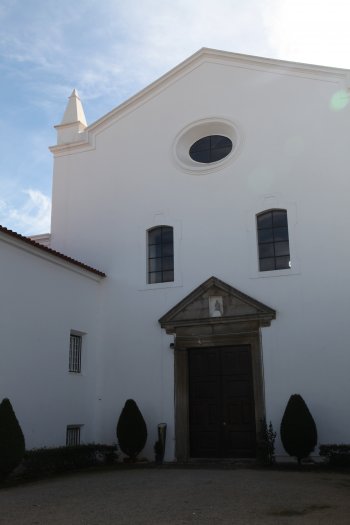
Great Convent from 1550, closed in 1834 with the extinction of religious orders. The church is covered in 17th century tiles, which are rare in Europe. Consisting of 8 side chapels, in one of them Jerónimo da Cunha is buried. This space hosts occasional masses, choral concerts and exhibitions.
Palacete da Companhia de Fiação e Jardim
- heritage
Rua José Cardoso Vieira de Castro
4820-269, Fafe
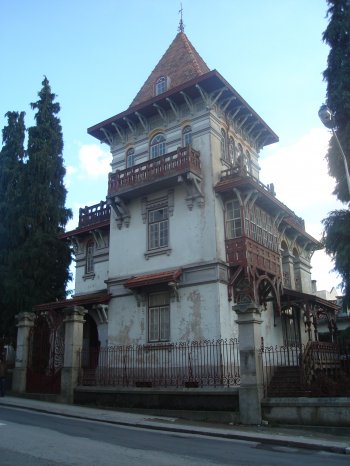
This building is a testament to imported architecture from the beginning of the 20th century. It was designed by a German technician for the Fafe Fiação e Tecidos company. Made up of several small volumes, the tallest in the form of a tower, it has roofs and terraces with wooden eaves. The garden space is delimited by an iron fence.
Igreja da Memória
- heritage
Calçada da Memória, 18
1300-399, Lisboa
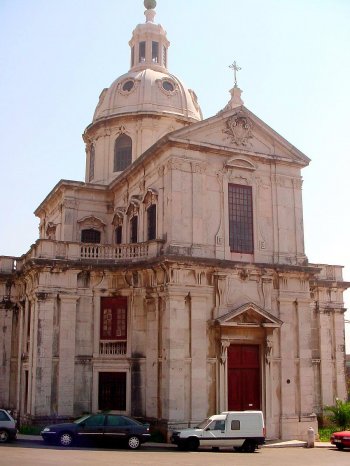
A neoclassical style work, dated from the XVI century. It is a construction with an Italian influence ended by a dome. The church has neoclassical cupola and the inside is covered with marble. It has a small chapel where is the tomb of Pombal. It is called the “memory” church evoking the attempt on D. José life in 1759.
Monumento às Linhas de Torres
- heritage
Alhandra
2600, Alhandra
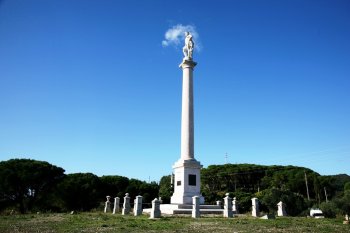
Monument about 5 meters in height consisting of a column based on ornate base which boasts a figurative statue of your capital. This would be the place from where they began to erect the towers, complex Lines of fortifications built between 1810 and 1812 to defend against the armies of Napoleon.
Portão Fortificado de Porto Pim
- heritage
Rua Conde D'Ávila
9900-019, Horta
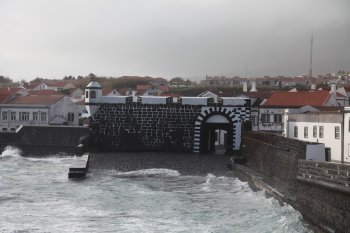
Also known as a stronghold of the patrol, this door is part of the defensive complex dating from the early 17TH century which included the Guardhouse, the Castelo de São Sebastião and the Strafing, connected by a wall of support along the Bay of Porto Pim. It is a fortification of L-shaped plant with ten Gunners.