Explore the best places


Cabo Espichel
- country
Cabo Espichel
2970, Cabo Espichel
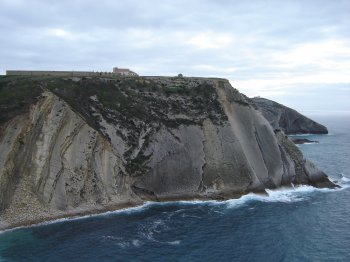
One of Portugal's most famous capes. From its cliffs, one can see the Setúbal peninsula (to the south) and the vastness of the Atlantic Ocean (to the west). The human mark on this inhospitable site is given by the presence of the Ermida da Memória (Chapel of Memory), the Church of Nossa Senhora do Cabo (18th century), and the lighthouse. A magnificent landscape that invites ti photography.
Castelo de Sesimbra
- heritage
Rua Nossa Senhora do Castelo, 11
2970, Sesimbra
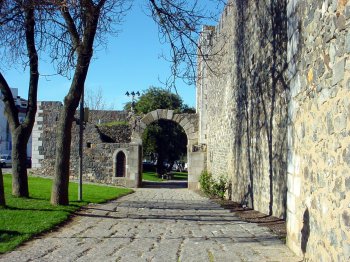
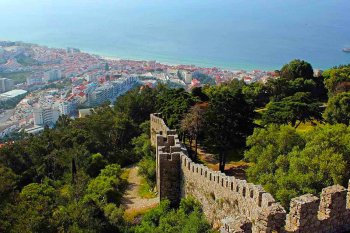
The castle preserves the two fundamental elements of medieval fortifications: the town walls and the citadel, which retains the keep. On the walls, which form an irregular polygon, the gates providing access to the old town are visible: the Sun Gate and the Azoia Gate.
Lagoa de Albufeira
- beach
- country
Lagoa de Albufeira
2970, Sesimbra
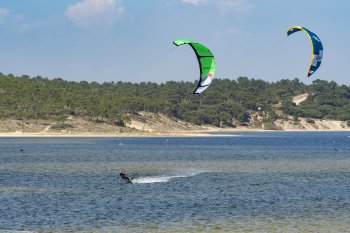
A lagoon of approximately 1.3 km² with an elongated shape, formed by two main lagoon bodies connected by a narrow channel. Surrounded by vast sandy cliffs, this location has calm waters and serves as a refuge for migratory, aquatic, and wading birds. It is believed that this lagoon may have been the Tagus River's route to the sea, located 150 meters away. This fish spawning ground has protected dunes.
Núcleo Museológico da Rua do Sembrano
- heritage
Rua do Sembrano
7800, Beja
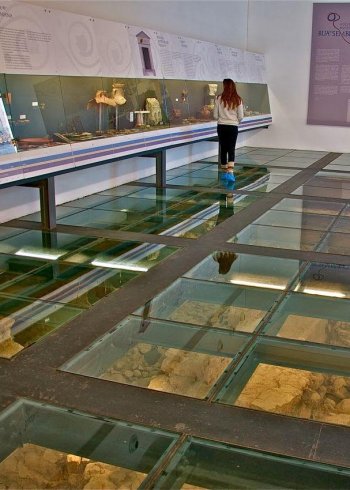
This space integrates a collection of archaeological remains of great importance for reconstructing the city's history. Here you can find traces from the medieval and modern periods, and even from the Roman era and the Iron Age.
Palácio dos Maldonados
- heritage
Rua do Esquível, 21-29
7800-162, Beja
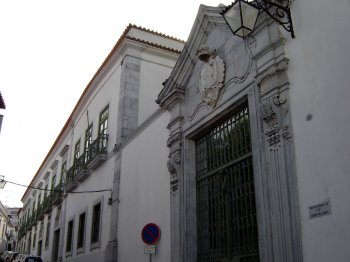
The palace was built in the mid-16th century on the initiative of a local family called Furtado Mendonça, whose coat of arms can still be seen above the main door. The building has a Renaissance profile, evident in the design of the main portico and the fine arcade found in the inner courtyard. At the end of the 19th century, the palace was used as the headquarters of the Beja High School, a situation that lasted for 35 years. Currently, the building houses a student residence.
Portas de Moura
- heritage
Rua das Portas de Moura
7800-425, Beja
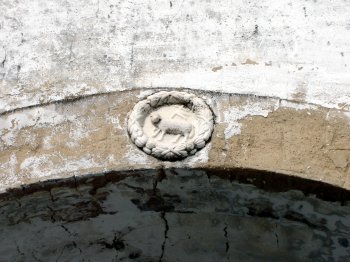
The Portas de Moura were rebuilt in 1867, when they were consecrated to Saint John the Baptist. At the top of the arch there is a passageway, decorated with a characteristic balcony.
Convento da Conceição / Museu Rainha Dona Leonor
- heritage
Largo da Conceição, 5
7800-131, Beja
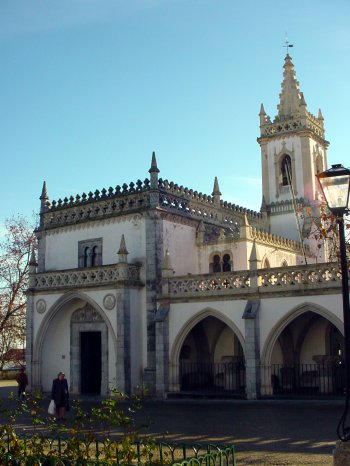
Church of the former Franciscan Convent of Santa Clara, founded in the 15th century. At the end of the 19th and beginning of the 20th centuries, the city of Beja suffered extensive destruction of its heritage, and only the church, the cloister, the chapter house, and adjacent rooms survived from this former convent. The Gothic portal on the facade stands out, and inside, the gilded woodcarving and tilework are noteworthy. The Queen Dona Leonor Museum is now located within the convent.
Parque da Cidade de Beja
- country
- leisure
Rua de Lisboa
7800, Beja
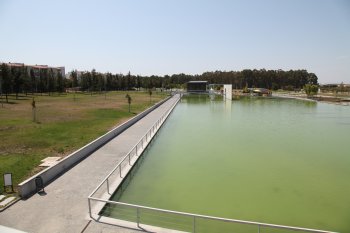
A leisure area that includes gardens (water, scent, and color gardens), a central lake, infrastructure for a restaurant, kiosk and terrace, a designated dog racing track, a children's playground, and a small skate park. The space also features sports and recreational equipment geared towards sports and recreational activities.
Ermida de Santo André
- heritage
Rua de Lisboa, 74
7800-292, Beja
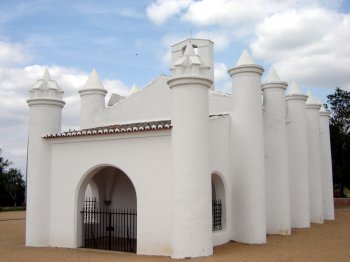
According to tradition, this hermitage was founded by King Sancho I to commemorate the capture of Beja from the Moors in 1162. The ogival reconstruction, however, dates from the 15th century. It is part of the group of Gothic-Mudéjar constructions, typical of the Alentejo region, highlighting the narthex, the conical pinnacles and the battlements.
Arco Romano de Beja
- heritage
Rua de Dom Dinis, 1
7800-305, Beja
Possibly built between the 1st and 4th centuries AD, this arch is supported by two towers and is integrated into the medieval castle, outside the citadel. Also known as the "Évora Gate," its main function was to provide access to the barbican that surrounds the keep.