Explore the best places
Results for enter website here MAKEMUR.com Buying an inmates early release for money Evora in Portugal


Mata da Albergaria
- country
- leisure
EN308-1
4840, Terras de Bouro
A dense, verdant forest, considered representative of the primeval forest. There is also a trout hatchery here. During the summer, car traffic is restricted, as it is considered the only "virgin" forest in Portugal.
Percurso Pedestre Pia do Urso
- country
Rua da Figueirinha
2495, Moita do Martinho
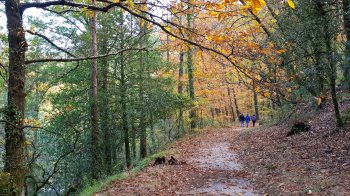
The trail passes through the restored village of Pia do Urso, a place full of history with its typical mountain dwellings. It is here that the Sensory Ecopark, designed for the blind, is located.
Miradouro dos Casais
- country
- leisure
CM1211
2590, Sobral de Monte Agraço
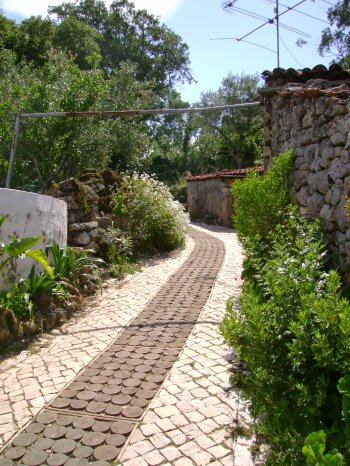
Located in a fairly high spot, in the heart of the Serra de Montagraço mountain range, from here it is possible to appreciate a beautiful landscape that stretches across a vast valley to the Atlantic.
Manhufe
- country
- heritage
Manhufe
4605, Manhufe
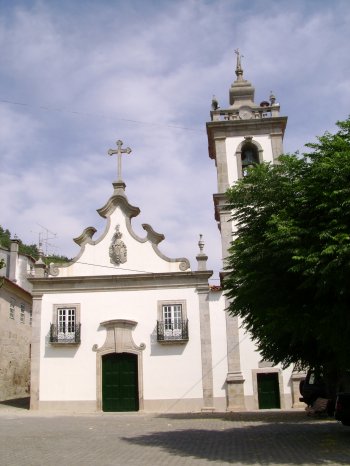
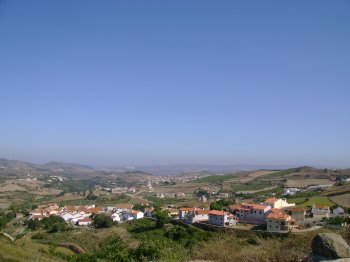
This small village, located at the Mancelos parish, is known for the battle that took place during the French invasions of the early 19th century. It has interesting rural houses. In fact, it still has the house with a tower and battlements, medieval in origin, where the artist Amadeo de Souza Cardoso was born. The set is composed of the house, the cellar, the church with tiles and the painter's workshop.
Casa Ferreira da Fonseca
- heritage
Avenida Doutor Joaquim Ferreira da Fonseca, 9
6270-311, São Romão
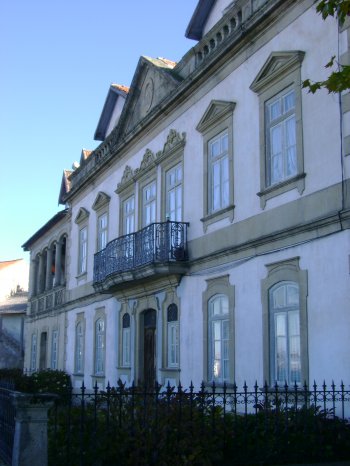
19th century mansion of rectangular plant consisting of several bodies. Features a symmetrical facade, flanked by corners and topped by a frieze. It was built in the 19th century, however, the attachments already existed in the 18th century. She was burned by the French during the invasions in the early 19TH century and had to be rebuilt in the second half of this century, being the part of 19th century facade.
Estação Arqueológica do Prazo
- heritage
Freixo de Numão
5155, Cedovim
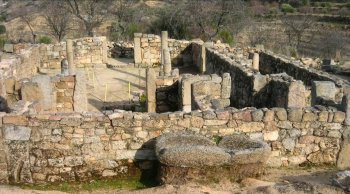
Archaeological ruins that comprise a complex array of structures reveal a multitude of occupations from the Neolithic period to the Middle Ages. Well-preserved remains of an early Christian temple, tombs containing bones from different eras, a large anthropomorphic stele, and an imposing menhir can be observed. The presence of a manor house and bathing area testifies to the importance of this Roman manor house.
Edifício do Teatro Chaby Pinheiro
- heritage
Largo da Nossa Senhora da Nazaré
2450, Sítio
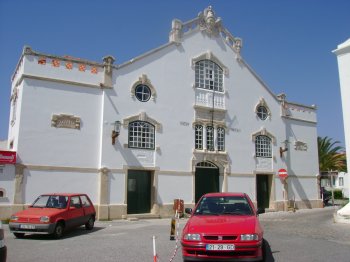
Romantic Italian type theater, built in 1907, where highlights, inside, the screen of Frederick Aires, 1923. On the façade enhances the work of stonework and the mask flanked by small railings at the top of the gable, with Art Deco suggestions. Chaby Pinheiro (1875-1933) was one of the great masters of the early 20th-century theater, and it was notable as a performer, teacher and tester of the Conservatory of Lisbon.
Igreja e Convento das Domínicas
- heritage
Rua Doutor Bento Cardoso, 45
4810-433, Guimarães
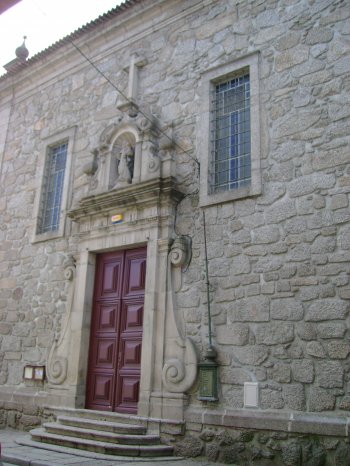
Work founded in early 17th century by Fr. Sebastian, Prior of the convent of São Domingos de Viana do Castelo. In the 18th century, the Prioress Mother Catherine das Chagas sent to the current works of stones. Include the set of altarpieces and pelmets in Baroque gilded rocaille organ and an image of Christ, about the font, dating from the 16TH century.
Igreja da Misericórdia de Entradas
- heritage
Largo da Liberdade
7780-344, Castro Verde
The current building dates from the late 17th century\/early 18TH century, rising till then in the 16th century, the primitive Church location from which only the holy water and sink some hispano-Arab tiles reused. It is a Mannerist style church with nave and vaulted chancel, which currently houses the Municipal Library entries pole of Castro Verde.
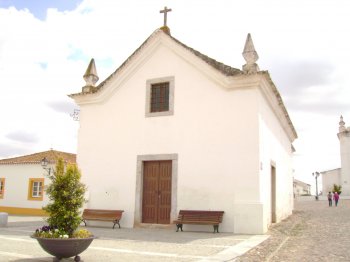
Igreja da Misericórdia de Fornos de Algodres / Igreja de Nossa Senhora dos Remédios
- heritage
Largo da Misericórdia
6370-145, Fornos de Algodres
The church dates back to the 17th century, with a single nave and a façade in Joanine Baroque style. Inside, the images and ceiling of the main altar stand out, with 36 paintings of saints and other sanctified symbols of martyrs from the early church. The oil paintings, by master Jerónimo da Cunha, date from the 18th century. Also, noteworthy is the gilded carving.