Explore the best places
Results for PROBLEMGO.COM comprar um vídeo falso de álibi de que não estava no local do crime in Portugal


Quinta do Barracão da Vilariça
- hotels
Lugar Quinta do Barracão - EN102, km 37
5360-011, Assares
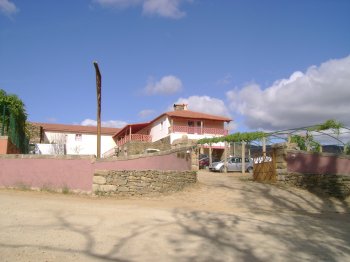
Former coaching inn dating from the 19TH century, entered a fifth crossed by the ribeira de Vilariça. In addition to space for grazing of animals and crops of vegetables and herbs, this farm also has vineyards, olive groves and almond trees. All these products can be purchased by the guests. With regard to accommodation, offers an agro-tourism House with 10 rooms and a cottage with 7 rooms. Recreational activities also abound: swimming pool, children's playground, billiards, table football, fishing and hunting.
Sobrenatura
- hotels
Aldeia de Gração
4970-566, São Jorge
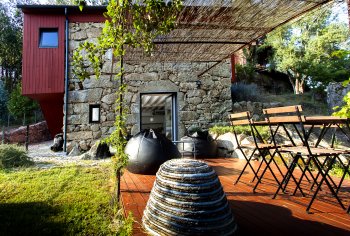
Sobrenatura is located in the heart of the Alto Minho region, in the village of Gração, nestled in the Serra de Soajo mountains between Peneda and Gerês, offering exceptional views over the River Lima - with the grandiose Serra Amarela in the background. Using ruins of a group of 19th-century houses, while respecting traditional architectural styles, we rebuilt three houses, that incorporate full modern comforts and state-of-the-art insulation technologies in order to provide maximum possible comfort at any time of the year.
Jardim Teófilo Braga - Jardim da Parada
- country
- leisure
Campo de Ourique
1350, Lisboa
The Teófilo Braga garden, paying homage to the poet, writer and teacher with the same name, is also known by Parada Garden for being the former yard of the quarter parade. The statue paying homage to the feminine popular rebellion of Maria da Fonte, placed in the garden in 1920, is the origin of its other name, besides Campo de Ourique for it is the only one in this area. At the beginning of the decade the garden was recovered, equipped with new fittings and keeping some patrimonial elements. It is a tree area with two lakes and a playground.
Vistas da Serra Amarela - Antenas do Lindoso
- country
- leisure
Castelo
4980, Ponte Da Barca
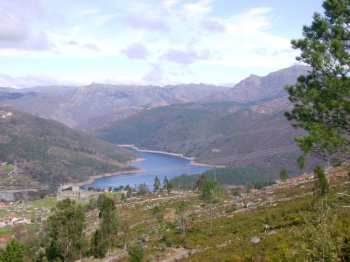
As one follows the Lima river and heads to its spring to the east, which is the say the border with Spain, is impressed by the contrast in the landscape: from the green fields of Ponte de Lima to the rough "watercolour" of Lindoso. Nonetheless, the most impressive feature is the fabulous views one has from the Serra Amarela (Yellow Hill). From there, one views the biggest reservoir in the Iberian Peninsula (the Lindoso Reservoir) and a wide part of the Lima valley. The most daring may try and ascen to the antenae.
Castelo de Beja
- heritage
Largo Dr. Lima Faleiro
7800-265, Beja
Of the castle complex, the Keep stands out – almost 40 meters high – dating from the time of King Dinis, made of marble, with a twin window and a machicolated balcony surrounding it. A masterpiece of military architecture, the Tower of Beja has great historical and monumental value. Of the defensive constructions of Roman origin, only the arch of the Porta da Vila (Town Gate) and the arch of the Porta de Évora (Évora Gate) remain. The Porta da Moura (Moorish Gate) is the only vestige of the medieval fortification.
Castelo de Palmela
- heritage
Avenida dos Cavaleiros de Santiago e Espada
2950-317, Palmela
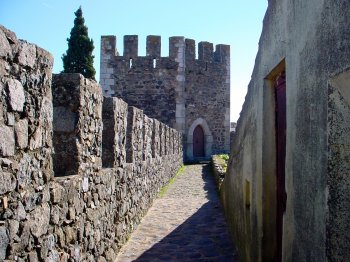
The fortress stands on the eastern spur of Serra da Arrábida, from which you can see an extensive landscape from Sines to Sintra. Its main points of interest are the entrance, the 17th century walls, the convent of the Order of Santiago, the church of Santiago, from the 15th century, the Paços de D. Jorge, the turrets, the 14th century keep, the ruins of the church of Santa Maria, the parade ground and several portals. There is also the Castle Nucleus, one of the museum spaces of the Palmela Municipal Museum.
Castro de Valongo
- heritage
Ladrugães
5470-392, Reigoso
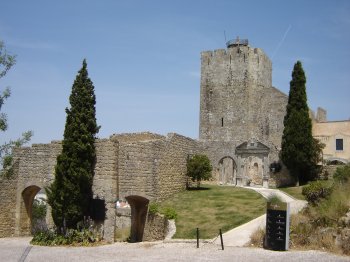
Small town located on the right bank of the ribeira de Valongo, which serves as a natural landmark to delimit the parishes of Reigoso and the Village bridge. The most obvious vestiges are the system of fortifications, comprising a moat and three lines of walls. The first line of wall encircles the upper stronghold, causing a broad platform where if there are some remains of buildings. The second, near the previous one, is well visible and enhanced by a third, in half-moon. West defense is complemented by a wide and deep moat excavated in outcrop.
Fábrica de Chá de Porto Formoso
- leisure
ER1-1
9625-421, Porto Formoso
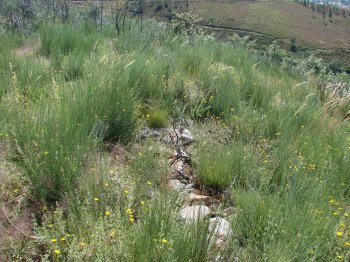
For a long time, São Miguel Island was the only place in Europe where tea was manufactured. Fábrica de Chá Porto Formoso was founded by Amâncio Machado Faria e Maia and operated between the 1920s and the 1980s. Recently, it has been undergoing a recovery process. Visitors can enjoy the estate's vast panoramic gardens, visit the museum space and the tea factory itself. Afterwards, they can relax and taste one of the factory's specialties in the tea room. It has a private park.
Museu Municipal de Vila Franca do Campo
- heritage
Rua Visconde do Botelho
9680-178, Vila Franca do Campo
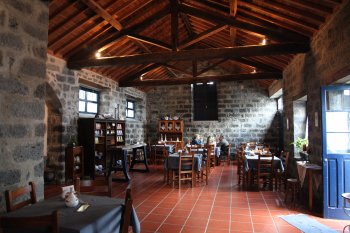
The result of a protocol signed between the City Council and the University of the Azores, this museum is organized with a central space, the Municipal Museum, and three museum centers integrated into the community: the Olaria museum center, the Forno de Loiça and the Fábrica da Luz museum center. Here you can see pottery objects, ceramics, learn about traditional arts and crafts and appreciate a collection of traditional vessels from the Azores. It also works as a research center in the areas of Archaeology, Ethnography and History.
Igreja Matriz de Vilar Formoso
- heritage
Largo da Igreja
6355-264, Vilar Formoso
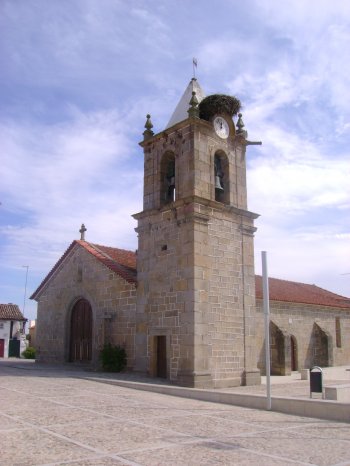
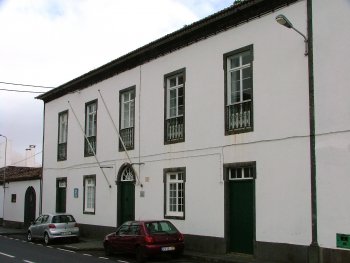
It is assumed that this church was built in the 13th century or 14TH CENTURY, by the Templars. Inserted in the center of the first urban core of this parish, the Igreja Matriz de Vilar Formoso retains elements of its original building. It consists of nave, chancel, vestry and Chapel located near. The chancel has Mudejar ceiling of "alfarge" style, painted; the main altarpiece is in gilt and Mannerist structure, although, in the attic, to be visible to transition to the national style, dressing room and painted side panels. The font is the primitive.