Explore the best places
Results for browse main MAKEMUR.com pay someone to make domestic violence case disappear Jerusalem in Portugal


Igreja de São Jorge e Ermida de Nossa Senhora da Piedade
- heritage
Rua do Poço Novo
2870-525, Sarilhos Grandes
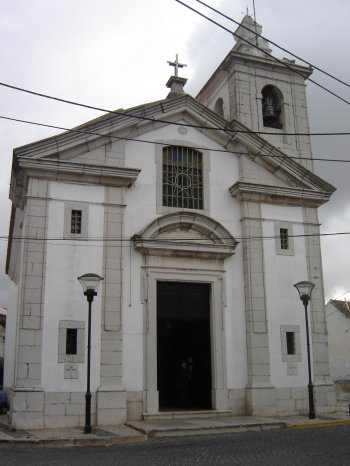
A temple with Baroque features founded in 1740, during the reign of King John V. The interior has a single nave covered by a frescoed ceiling and eighteenth-century tile panels covering the walls. The left wing of the main chapel leads to the former chapel of Our Lady of Mercy, a sixteenth-century building that became the church's chapel.
Palácio do Duque de Palmela
- heritage
Alameda Duquesa de Palmela
2750-335, Cascais
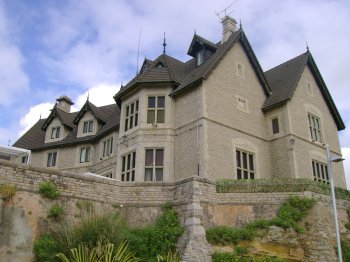
The palace, built on the site of the former Fort of Our Lady of the Conception, was acquired in 1868 by the Dukes of Palmela with the intention of constructing a summer residence there. The project is by the English architect Thomas Henry Wyatt. This building, of English revivalist architecture, is clad in stonework. On the main façade, above the door, the Coat of Arms of the Duchess of Palmela's family can be seen.
Palácio dos Lemos / Palácio Ramalho Lemos / Palácio Sotto Maior
- heritage
Rua Dom Francisco de Lemos
3150-142, Condeixa-a-Nova
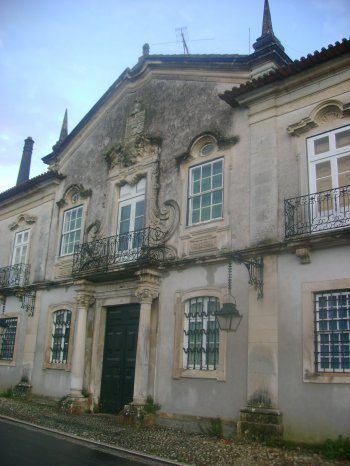
An 18th-century palace with a façade bordered by two turrets and an entrance surmounted by a pediment rising above the cornice. The rhythm of the openings, wrought iron, stonework, and chapel are remarkable. The central section ends in a triangular gable with a coat of arms, and the rest of the façade features simple rectangular openings on the ground floor and bay windows on the main floor.
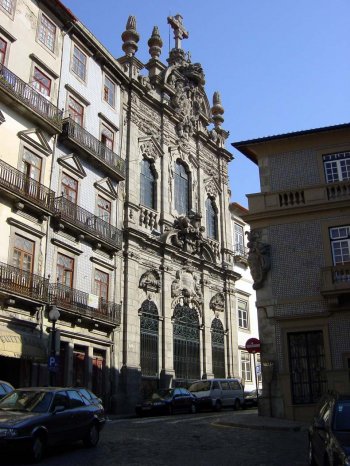
Igreja da Misericórdia do Porto
- heritage
Rua das Flores, 15
4000-292, Porto
The Porto’s Misericórdia Church is from the XV century and its front is by Nicolau Nasoni. It suffered profound changes during the XVIII century. The rococo style is quite obvious on its decorations. Inside, the main chapel, which is from the primitive construction, deserves a careful look. At the Mesários room, a masterpiece of the gothic painting stands out.
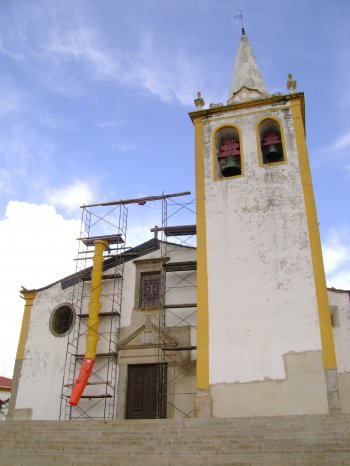
Igreja da Nossa Senhora da Conceição
- heritage
Largo da Igreja
7430, Crato
Temple built in the 13th century, it was completely rebuilt in the 15th century and remodeled in the 16th and 17th centuries. The facade, flanked by a bell tower, consists of a portico with a pediment surmounted by the Maltese Cross. Noteworthy are the 18th century tiles, the 17th century carvings, the 15th and 16th century statuary and the 16th century decoration on the exterior of the main chapel.
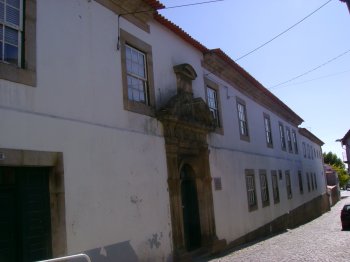
Portal do Convento de Santa Clara
- heritage
Rua António José de Almeida
6400-321, Pinhel
This is the main portal of the convent of Santa Clara, with Classicist traits admirable. In the pediment can be seen the figure of Santa Clara. While convent, was dumped in 1836, when it was built the Passeio Público and settled the Government offices at the left of the Convent. Today is occupied by the Social and Cultural Centre of the parish of Pinhel and houses the São Luiz movie theater.
Ponte de Dom Goimil
- heritage
Rua das Carvalhas
4460-710, Esposade
Trestle bridge with a pointed arch built in masonry of irregular granite and dated from medieval times (XIII-XIV centuries). It lies in the ancient "via veteris," main connection from the port at the mouth of the river Ave. is believed to have Roman origin, despite only being documented from 1258, and their typology to be a medieval bridge.
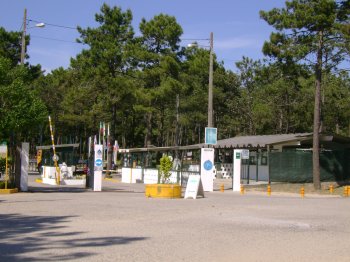
Parque de Campismo do Furadouro
- hotels
Rua das Camarinhas
3880-366, Ovar
The campsite of Furadouro, located near the beach, offers numerous green spaces for camping in fullness with nature. Offers social block, spas, sport area and bungalows to provide you pleasant moments of conviviality. The main points of interest are the monument to fish sellers, the monument to the forest sector and the Art House and Museum Júlio Dinis (Ovar).
Santuário do Senhor do Socorro
- heritage
Avenida de Nosso Senhor do Socorro
4990-655, Labruja
The Sanctuary of the Senhor do Socorro is a temple dedicated to Lord of Socorro (Lord where probably in the 16th century existed the brotherhood of Lord of Socorro. The inside of the church has various religious statues and paintings, including angels playing trumpets on the main steps. The interior of the church includes rococo carved forms and paintings of ex-votos.
Solar dos Saraivas / Casa do Fidalgo
- heritage
Largo Doutor Pedro de Castro
6440-281, Figueira de Castelo Rodrigo
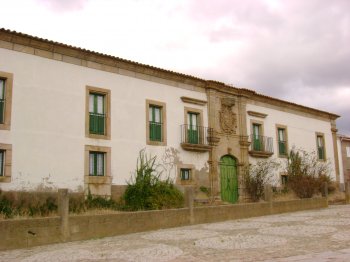
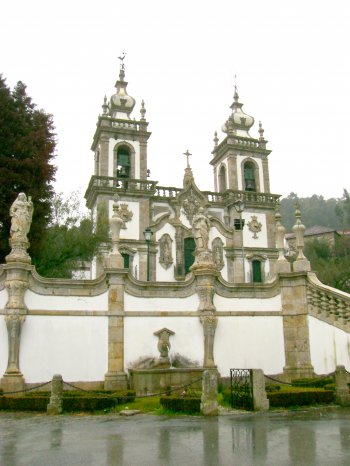
This manor house was constructed whether in the XVII century or XVIII century by Sebastião Saraiva. It has to be marked the gate enriched by stonework in elaborated granite, cymas and the balcony with arches. The plan is rectangular with two floors, the ground floor is for storage and other is residential. The major ornamentation is concentrated in the main façade gates, in arch and sided by ribbed pilaster.