Explore the best places


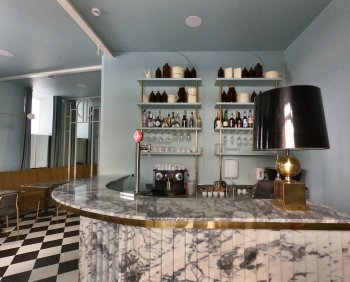
Drogaria
- food & drink
Rua Joaquim Casimiro, 8
1200-696, Lisboa
Serve sabores contemporâneos, da autoria do chef Daniel Sousa, que mantêm o objetivo de homenagear a Lisboa antiga e as memórias portuguesas.
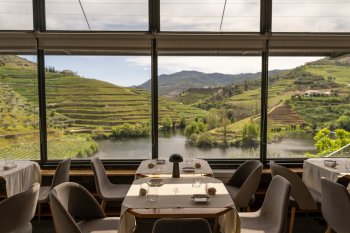
Bistro Terrace - Quinta do Tedo Família Geadas
- food & drink
Quinta do Tedo - EN222
5110-207, Folgosa
Fundado pelos irmãos Paolo e Odile Bouchard em 2016 para proporcionar aos visitantes refeições que acompanham com brio o o vinho Douro DOC, Porto e Azeite Virgem Extra da Quinta do Tedo, este restaurante passou, em 2023, a ser dirigido pelos irmãos Geadas, que elevam a gastronomia transmontana ao seu expoente máximo.
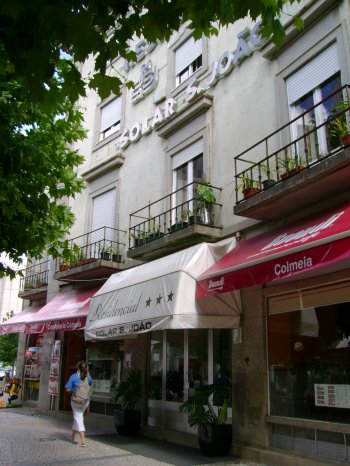
Solar de São João
- hotels
Praça Luís Ribeiro, 165
3700-172, São João da Madeira
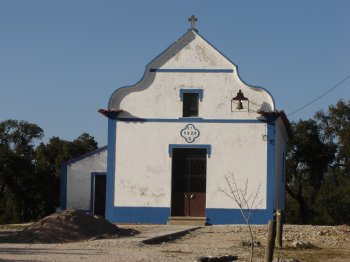
Traditional building with simple but comfortable facilities, consisting of ten friendly rooms, practicing at affordable prices.
Núcleo Arqueológico da Rua dos Correeiros (NARC)
- heritage
Rua dos Correeiros, 9
1100-161, Lisboa
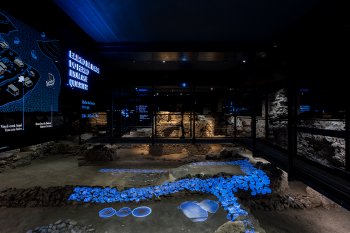
This archaeological nucleus is devoted to the different phases of the Lisbon downtown, presenting the successive structures built in this city area, since the roman period until the XVIII century.
Turiscampo - Yelloh Village
- hotels
EN125, km 17
8600-109, Lagos
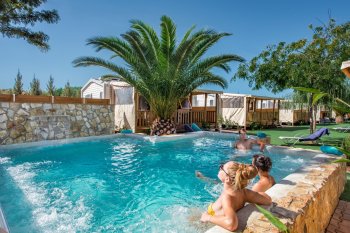
The campsite Turiscampo, located in country homes has large green areas, with shadows, to quietly install your tent, caravan or camper. It features modern locker rooms, sports facilities and a lot of animation, all in order to provide you with unforgettable leisure time.
Museu Nacional de Arte Contemporânea do Chiado
- heritage
Rua Serpa Pinto, 4
1200-444, Lisboa
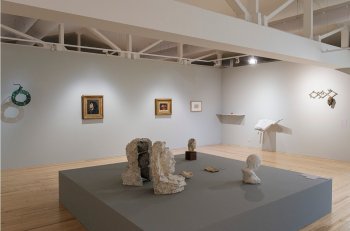
The Chiado Museum or Modern Art National Museum, offers a panoramic of the Portuguese art from 1850 to 1960, from the romantic to the modernism period, going through the naturalism, the surrealism and the abstractionism periods. Subordinated to the theme “From Columbano till the Modernism”, this is the biggest collection of Portuguese contemporaneous art, with paintings, sculpture and drawings. It also has a French art collection from the end of the XIX century.
Museu Nacional do Traje
- heritage
Largo Júlio de Castilho, 2
1600-483, Lisboa
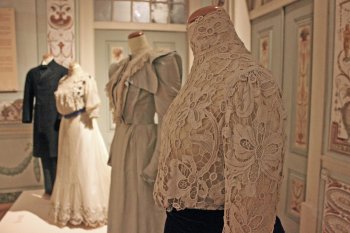
Located at the Angeja-Palmela palace, this museum integrates collections of civil clothes from the XIV to the XX centuries, popular clothes, opera dresses, accessories, toys from the XIX and XX centuries, among other curiosities. In order to maintain the conservation of its collections it has temporary exhibitions of the 35 thousand pieces it owns, organizing thematic shows. The permanent exhibition is about the textile technology. The museum has also a library specialized in the clothing history.
Museu Nacional do Teatro e da Dança
- heritage
Estrada do Lumiar, 10
1600-495, Lisboa
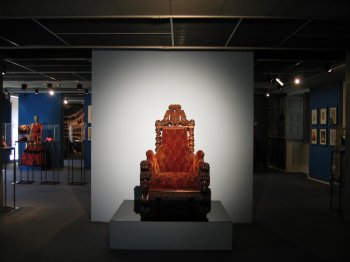
Located at the former Monteiro-Mor Palace, the museum exhibits a large panoply of objects related to the theatre. The exhibition includes pictures, humoristic vignettes, clothes and stage props and many other objects evocative of the life and career of personalities related to the acting art. It has a special collection consecrated to the fado singer Amália Rodrigues.
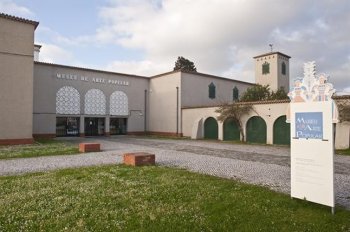
Museu de Arte Popular
- heritage
Avenida de Brasília, 202
1400-038, Lisboa
Museum opened in 1948, dedicated to popular arts and traditional workmanship, presenting a set of pieces that were present in the exhibition of Geneva, in 1935. The exhibition is divided by country districts, documenting the large variety existent in the country. The building was initially planed to welcome the Exposição do Mundo Português in 1940 and was later remodelled and adapted to its new functions.