Explore the best places


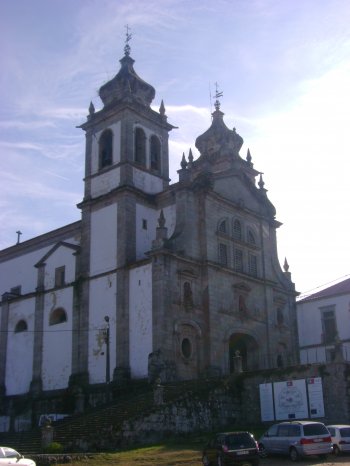
Museu Municipal de Loulé - Polo Museológico da Cozinha Tradicional
- heritage
Rua Dom Paio Peres Correia, 17 - Alcaidaria do Castelo
8100-564, Loulé
A small room (part of the Museum of Archeology) where a traditional kitchen of the Algarve is represented. One goes back in time to remember time honoured rustic objects… From the millstone to the pans, copper drippings, cloths and aprons, jars and glass demijohns, among other utensils. Aside from this voyage to the traditional kitchen, there are also temporary exhibitions such as the traditional nativity scene of the mountains and the "Maias".
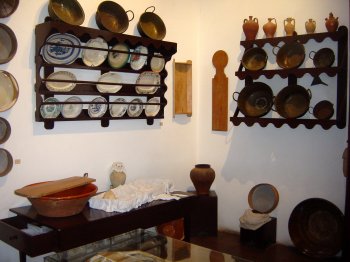
Museu Regional do Algarve
- heritage
Praça da Liberdade, 2 - Rua do Pé da Cruz, 4
8000-404, Faro
A museum in the building of the Assembleia Distrital (District Assembly), with a vast and valuable collection of crafts, paintings and objects of the Algarve's etnography.
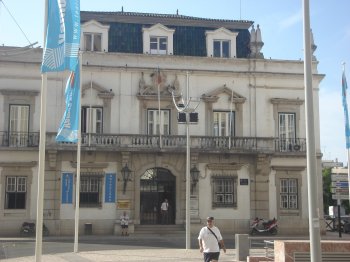
Museu Nacional Frei Manuel do Cenáculo
- heritage
Largo do Conde de Vila Flor
7000-804, Évora
Inaugurado em 1915, passou por várias vicissitudes até ser instalado em definitivo no antigo Palácio Arquiepiscopal (finais do século XVI e princípios do século XVII). Sofreu uma profunda remodelação em 1940, tendo-se valorizado as secções de Arqueologia, Arquitetura, Escultura, Epigrafia, Heráldica, Ourivesaria, Artes Decorativas e Pintura.
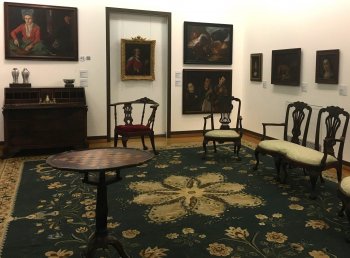
Museu Cargaleiro
- heritage
Rua dos Cavaleiros, 23
6000-189, Castelo Branco
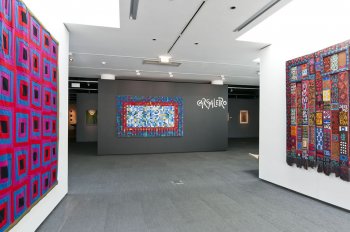
Located in the historic area of Castelo Branco, this museum dedicated to the work and life of the artist Manuel Cargaleiro includes two buildings that complement each other. One is Solar dos Cavaleiros, an 18th-century palace, and the other is a contemporary building, inaugurated in 2005. Visitors can appreciate a remarkable set of works part of the Manuel Cargaleiro Foundation collection, which includes works ranging from painting to ceramics, including sculpture, tiles and tapestry.
Casa Museu Bissaya-Barreto
- heritage
Rua de Infantaria, 23
3000-219, Coimbra
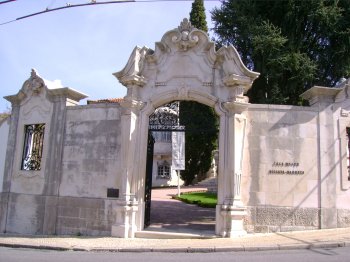
Civil architecture revival residential house with two floors, with a large forked staircase. The building was built between 1923 and 1925, working initially as a residence of Professor Bissaya Barreto. In 1985\/6 has been restored and adapted to House-Museum.
Miradouro de Nossa Senhora de Fátima
- country
- leisure
EN504
5120, Tabuaço
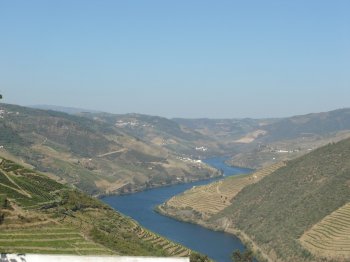
The Nossa Senhora de Fátima Viewpoint is a small garden space with granite benches, some shade trees and a small shrine to the Saint that gives it its name. Close to Valença do Douro, on one of the many curves of the EN504 overlooking the Douro, this viewpoint provides unique views over the terraces of the vineyards and a large expanse of the river's meandering path.
Museu Arte Nova
- heritage
Rua Doutor Barbosa Magalhães, 9-11
3800-119, Aveiro
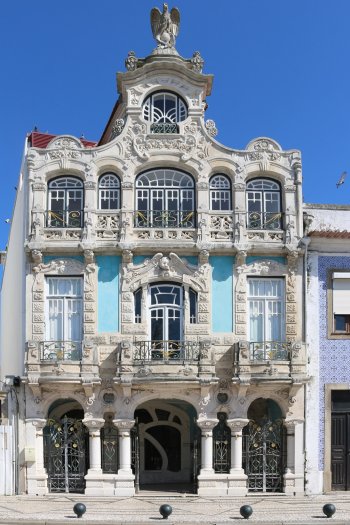
The Art Nouveau Museum of Aveiro, housed in one of the most emblematic buildings among the heritage of this artistic chain, is the interpretive center of the extensive network of Arte Nova motifs throughout the city of Aveiro. More than restoring the ornamental environment of an Art Nouveau dwelling, this museum nucleus treats the New Art as a didactic argument, intending to take the visitor to reflect on the assumptions of the aesthetic revolution that this movement provided, and better understand its reflexes that still today.
MACNA - Museu de Arte Contemporânea Nadir Afonso
- heritage
Avenida 5 de Outubro, 10
5400-017, Chaves
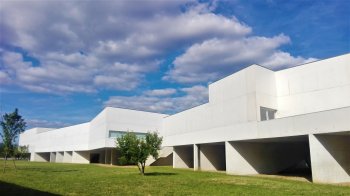
Opened in 2016, it is located on the right bank of the Tâmega River, next to the São Roque Bridge. It is a cultural space, with several areas, temporary and permanent exhibition halls, auditorium, archive, library and shop. A space with exceptional, modern and unique features, to honor the genius of the flaviense painter Nadir Afonso.
Museu de Alberto Sampaio
- heritage
Rua Alfredo Guimarães
4800-407, Guimarães
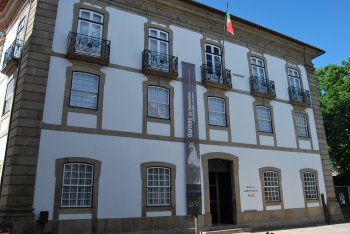
Created in 1928 to house the artistic collection of the extinct Collegiate Church of Nossa Senhora da Oliveira and other churches and convents in Guimarães, here you can see objects of local origin and ancient sacred art, namely collections of sculptures (architectural, large and tomb). , from the medieval period to the 18th century; a jewelery collection; a collection of paintings from the 16th to 18th centuries; tiles and faience, among others.
Museu do Mosteiro de São Martinho de Tibães
- heritage
Rua do Mosteiro, 59
4700-565, Mire de Tibães
A reborn cultural space where one may visit the church, the entrance, the stables, the gardens of Saint João, the cellars pateo, the kitchen, the rooster's pateo, the chaptr's room and more. It exhibits several collections.