Explore the best places
Results for proceed to portal PROBLEMGO.com pay for early release from jail HMP Berwyn in Portugal


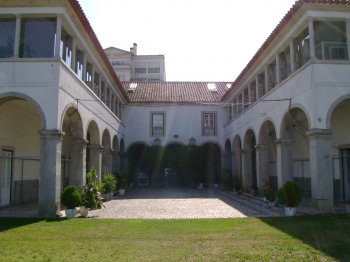
Palácio Gorjão / Palácio dos Coimbras
- heritage
Rua Dom Afonso Henriques
2540-081, Bombarral
Built in the 17th century, this building boasts noble facades, notable for its emblazoned portal and balconies. Currently, it houses the Regional Museum, exhibition rooms, and the Tourist Office.
Igreja Paroquial de Serzedo
- heritage
Rua de São Miguel, 823
4810-858, Cerzedo
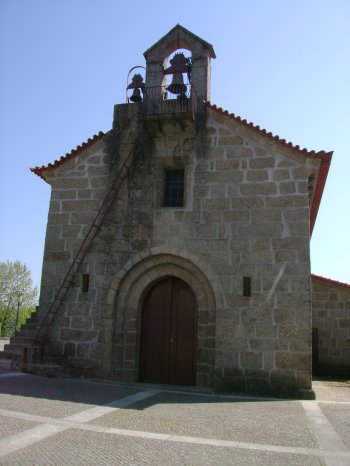
Medieval church remodelled in the 20th century, when the chancel was enlarged and side chapels were built and a sacristy. The main façade is topped by a bell tower with ogive portal.
Igreja da Misericórdia de Ansião
- heritage
Praça do Município
3240-143, Ansião
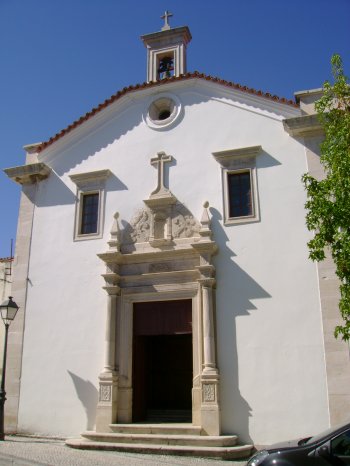
Baroque church, with a single nave and vaulted main chapel. The main façade is crowned by a bell arch and baroque portal. Inside is the tomb emblazoned with the Counts of Vila Nova.
Sala do Despacho
- heritage
Rua Teófilo Braga
7050-273, Montemor-o-Novo
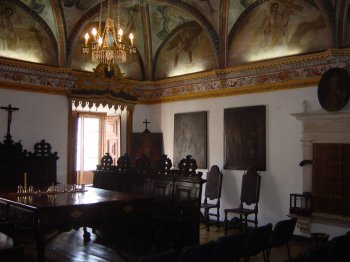
The dispatch room decor, the ceiling, the frescoes and the Manueline portal. Has a central wooden table too big and old. There are, currently, the assemblies of the Santa Casa da Misericórdia.
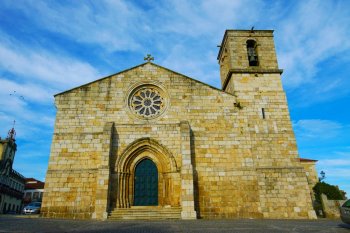
Igreja Matriz de Barcelos
- heritage
Rua Doutor Miguel da Fonseca
4750-322, Barcelos
A transitional temple exhibiting Romanesque and Gothic influences, with modifications in the 16th and 17th centuries. The portal has four archivolts, with eight small columns resting on capitals, and the nave walls are covered with blue and white tile panels from the 18th century, depicting episodes from the life of the Virgin Mary. Of particular note are the Blessed Sacrament chapel with its 18th-century gilded woodcarving and the chancel with two valuable sculptures: one of Our Lady of the Assumption in Baroque style and another representing Our Lady of Franqueira.
Escultura a Dom Gualdim Pais
- heritage
Rua José Alves Leite
4720-022, Amares
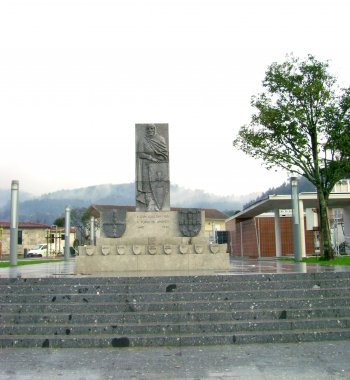
Tribute to DOM Gualdim Pais, Portuguese Crusader, Templar Friar and Knight of Afonso I of Portugal (1128-1185) and founder of the city of Tomar, where he established the order of the temple, which became Grand Master. Despite being buried in Tomar, born in Amares, in the year 1118.
Planície Mediterrânica
- heritage
Rua da Esteva
7780-159, Castro Verde
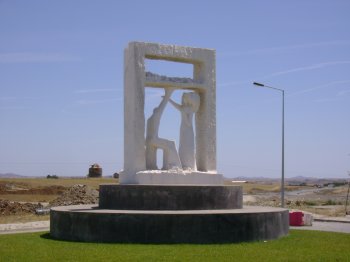
This monument was inaugurated in the framework of the festival "Mediterranean Plain" invokes the man in its relationship with the landscape and the plain. Being the Castro Verde landscape representative of Mediterranean culture, this piece, depicting a man and a woman, on which lies the plain and the urban profile of Castro Verde, intends to pay homage to this locale.
Casa de Hóspedes da Tapada de Mafra
- hotels
Portão do Codeçal
2640-602, Mafra
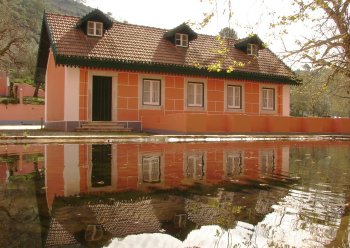
In Celebredo, the guesthouse of the Tapada is an early 20th-century building that bears the simple beauty of rural architecture. This is the ideal place to escape the city everyday. In the annexes, as the garden, you can enjoy a bucolic environment of great peace, ideal for rest from urban stress. Is open all year, except Christmas, new year's Eve and Carnival and works with a minimum of 2 double rooms. Children under the age of 4 years old can stay for free (without extra bed).
Ruínas Romanas de Tróia
- heritage
Tróia
7570-789, Tróia
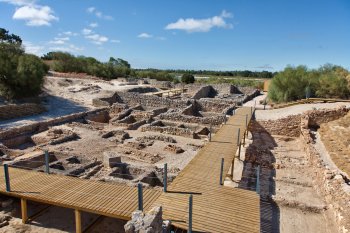
To get here, you can come from Setúbal by boat, or by road via Alcácer, Grândola, or Santiago do Cacém. The ruins comprise a residential area, a bathhouse, swimming pools, a religious center, four burial areas, and industrial areas. Mosaics and stucco with fresco painting are still visible. Occupation extended from the 1st to the 5th/6th centuries. Besides the fish salting workshops, the most characteristic element, there are uncovered thermal baths, a residential area known as Rua da Princesa, a mausoleum, necropolises with different types of tombs, and an early Christian basilica with frescoed walls, which can only be visited …
Outros Tempos
- hotels
Largo do Marradoiro, 12
5110-051, Arícera
Village tourism project, Other times are entered in a quiet village of 180 inhabitants, named Arícera. All the houses from the 17th and 18th centuries, were recovered following the moth and materials characteristic of the region. With types of T1 to T5, the houses are of granite, wooden doors and Windows with double glazing. Elements from other times like the thick walls, niches or namoradeiros banks were preserved. The houses, properly baptized: House Penêdo, House Soqueiro, House Released's grandfather and Casa Manuel Baker (features five rooms and is also receiving the unit) are in granite, very well restored and equipped …