Explore the best places
Results for MAKEMUR.COM comment sortir de prison sans payer la totalité in Portugal


Centro Histórico de Tomar
- heritage
Rua Pé da Costa de Baixo
2300, Tomar
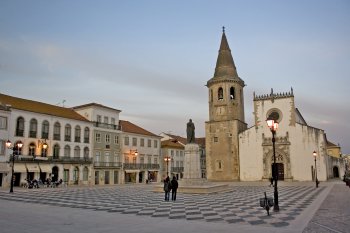
City closely linked to the Templars and the Order of Christ. When they arrived to Portugal, they spread castles across different domains, but Tomar was the center of the territory. After the castle, they built the "Charola" of Convento de Cristo, considered the most beautiful and well-preserved religious building of the Templars in Europe. Bathed by the River Nabão, Tomar has one of the historic centers in Portugal with the highest number of monuments, with emphasis on the churches of São João Baptista and Santa Maria dos Olivais and the Old Synagogue.
Casa do Seminário de Gralhas
- heritage
Rua Central, 51
5470-160, Montalegre
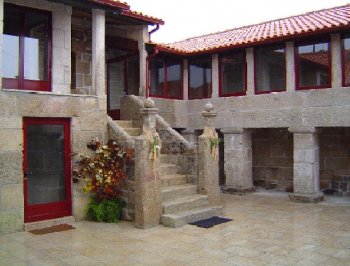
Granite Manor House located in the village of Rooks, at the foot of the Serra do Larouco. Dating from the 18TH century, more precisely of 1780, this House once belonged and hosted illustrious Barrosões, as the Priest João Álvares de Moura. Later it was transformed into agricultural House and, in 2002, it was classified as Municipal interest Property. He currently works as a unit of Rural tourism, with three double rooms and three suites, library, patio, Garden, Boardwalk, threshing floor, meeting room and an interesting Sundial in granite.
Capela de Santo António do Telheiro
- heritage
Largo de Santo António do Telheiro
4465, São Mamede de Infesta
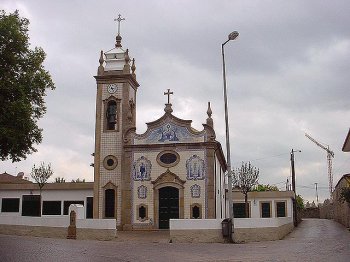
A neoclassicist chapel, dating back to the 18th century, with a longitudinal plan and the interior decorated with neoclassicist retables. In 1956 the main façade was covered by white and blue tiles. On the left side we can see Saint Anthony and read and inscription that says: "Fábrica do Carvalhinho" (Carvalhinho Factory) and below "Capela de Santo António do Telheiro" (Chapel of Saint Anthony of Telheiro). On the right side we can see an image of Our Lady of Fátima and an inscription that reads: "Restored in the year 1956".
Caldeirada Setubalense
- leisure
Setúbal
2900, Setúbal
A caldeirada é uma especialidade com origem nas refeições que os pescadores preparavam a bordo das embarcações para recuperarem do esforço da faina, utilizando para a confeção os peixes com menos valor comercial. Diz-se que onde há pescadores há caldeira, mas também se verifica que este prato varia consoante a zona do país. Esta receita é à moda de Setúbal.
Feijão Verde à Alentejana
- leisure
Alcácer do Sal
7580, Alcácer Do Sal
O Alentejo apresenta uma grande diversidade gastronómica, alternando com pratos de carne ou peixe consoante a época do ano, sendo os legumes e o pão elementos fundamentais na confeção dos pratos. Esta receita serve normalmente como entrada, em substituição da tradicional sopa. Na altura da segurelha (erva aromática), recomenda-se que se junte um pezinho juntamente com o feijão.
Fábrica de Chá de Porto Formoso
- leisure
ER1-1
9625-421, Porto Formoso
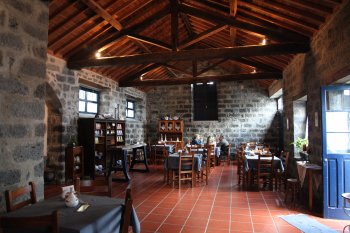
For a long time, São Miguel Island was the only place in Europe where tea was manufactured. Fábrica de Chá Porto Formoso was founded by Amâncio Machado Faria e Maia and operated between the 1920s and the 1980s. Recently, it has been undergoing a recovery process. Visitors can enjoy the estate's vast panoramic gardens, visit the museum space and the tea factory itself. Afterwards, they can relax and taste one of the factory's specialties in the tea room. It has a private park.
Moxama
- leisure
Vila Real de Santo António
8900, Vila Real de Santo António
O atum é um peixe rico em proteínas, nomeadamente em Ómega 3, essencial ao bom funcionamento do coração e do cérebro. É um prato tão vulgar no Algarve que em terras do Sota-vento, onde é particularmente apreciado, chamam-lhe o "porco-do-mar", por não haver praticamente nenhuma parte do atum que não sirva de alimento.
Museu Municipal de Vila Franca do Campo
- heritage
Rua Visconde do Botelho
9680-178, Vila Franca do Campo
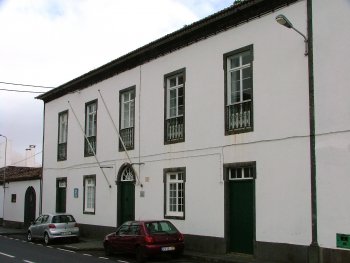
The result of a protocol signed between the City Council and the University of the Azores, this museum is organized with a central space, the Municipal Museum, and three museum centers integrated into the community: the Olaria museum center, the Forno de Loiça and the Fábrica da Luz museum center. Here you can see pottery objects, ceramics, learn about traditional arts and crafts and appreciate a collection of traditional vessels from the Azores. It also works as a research center in the areas of Archaeology, Ethnography and History.
Museu do Vinho do Porto
- heritage
Rua da Reboleira, 33-37
4050-492, Porto
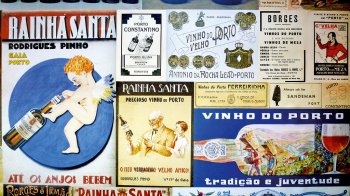
Located at the Cais Novo Warehouses, where the wines of the Companhia Geral de Agricultura das Vinhas do Alto Douro used to be stored, this is a building that was constructed by the family Pinto da Cunha Saavedra in the 1700s. This space shows the privileged location of Oporto, as a commercial outpost, and relates mostly to the Port wine, the transportations, mainly along the Douro river, and the ways of life that were generated from those activities, namely with th coming of several foreign colonies. It has several programs for specific audiences.
A Casa do Ouvidor
- hotels
Estrada Regional, 22
9940-312, São Roque do Pico
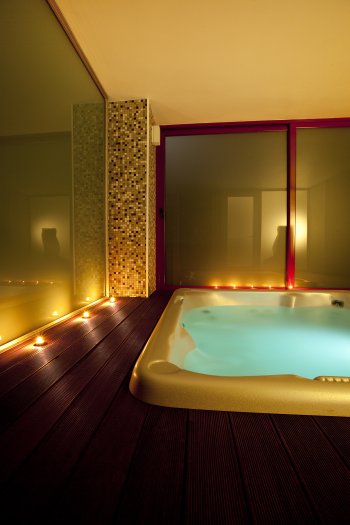
The Casa do Ouvidor is the result of the reconstruction of an 18th century house adapted for Rural tourism in Casa de Campo. Composed of three independent units of accommodation type T2, is equipped with everything needed for an enjoyable stay, providing moments of full rest. Have garden, pool and jacuzzi integrated in a landscape of exception. Wherever you are in Pico Island, all you have to do is take the Regional Road St. Roch-Mercy and 21.8 km arrives at the House of Ouvidor.