Explore the best places
Results for PROBLEMGO.COM cuánto cuesta sobornar a un agente de aduanas para que pase la mercancía in Portugal


Café Rotunda
- food & drink
Calheta do Nesquim
9930-025, Lajes do Pico
At the restaurant Café Rotunda, on Pico Island, may be on the Esplanade in front of the port to watch the fishing movement while drinks a glass of three of vinho de cheiro, produced there close. On the table there are snacks, many and varied, some even rare to find in other places of the Azores. Here serves up fried moray eel to the posta €0,80 and crabs at the same unit price. The squid came out the € 2 and the broad beans, each small dish, € 1. Note that some of these specialties are only for the parties. …
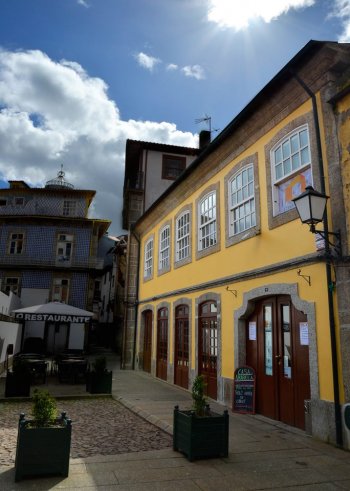
Casa Amarela
- food & drink
Rua de Donães, 24
4800-408, Guimarães
The Yellow House restaurant is located in the historic centre of Guimarães, next to the Praça da Oliveira and the Museum Alberto de Sampaio. It is a Centennial House, whose architectural recovery turned into a modern and welcoming environment. The kitchen is Chef of Virtues, with snacks and traditional dishes, but with a modern twist. The Yellow House is a space muitifuncional-restaurant and café-concert, ideal for lunches and dinners, but also for a snack in the late afternoon or evening, or simply have a cup of coffee and a drink. Offers two rooms of restaurant as well as a covered …
Loggia
- food & drink
Largo Doutor José Rodrigues - Museu Nacional de Machado de Castro
3000-236, Coimbra
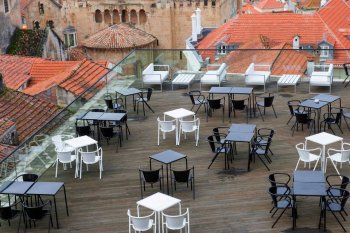
The Loggia is the restaurant of the Machado de Castro Museum. Located in upper Coimbra, the restaurant-terrace offers a breathtaking view of the University, the Mondego River, and the 16th century loggia of the Episcopal Palace. Designed by architect Gonçalo Byrne, proposes a menu like in ancient Rome: divided into Gustatio (entries), Primae mensae (main courses) and Secundae mensae (dessert). At lunch, the Loggia has a buffet of traditional Portuguese cuisine (7 €, soup + main dish). On Saturdays and Sundays, the dishes are COD au gratin and duck rice.
Museu da Cerâmica
- heritage
Rua Ilídio Amado
2504-910, Caldas da Rainha
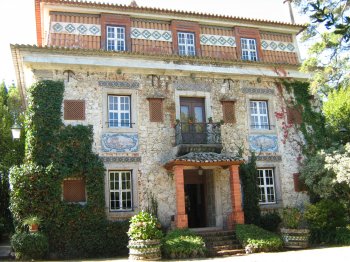
The Ceramics Museum was officially created in 1983 and is housed in the Quinta Visconde de Sacavém estate, acquired for this purpose by the State in 1981 and located in the historic area of Caldas, near the former Bordalo Pinheiro factory. The estate was built in the 1890s by the 2nd Viscount of Sacavém and consists of a small palace in a Romantic Revival style, a secondary building, and a garden area. The gardens, with their romantic design, constitute an interesting ensemble evocative of the taste of the late 19th century, with their avenues, flowerbeds, and lakes, and the ceramic …
Reserva Natural do Sapal de Castro Marim e Vila Real de Santo António
- country
Monte Francisco
8950-205, Castro Marim
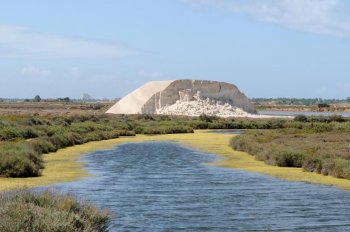
The complex system of salt marshes, salt pans, canals, ponds, estuaries, and large, vegetation-free areas, located in the municipalities of Castro Marim and Vila Real de Santo António, was the first Natural Reserve in Portuguese territory. Land, river (Guadiana), and sea merge, creating a strange but beautiful mosaic that extends to the mouth of the river with Ayamonte on the other side as a backdrop. The land is rich in original flora (especially halophytic species) and, above all, in exotic fauna (birds, fish, crustaceans, mollusks, amphibians, and reptiles).
Rota do Douro
- heritage
Carrazeda de Ansiães
5140-077, Carrazeda de Ansiães
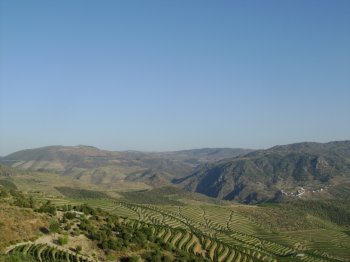
The municipality of Carrazeda de Ansiães maintains many aspects of cultural and natural interest that continue to justify a visit, but without a doubt the fact that part of its region is classified as a World Heritage Site - the Alto Douro Wine Region, gives special emphasis to these landscapes. The Douro Route, passing by some of the most important monuments in the municipality (Fountain of Sereias, Pillory, Main Church, Selores House, etc.), through breathtaking landscapes, with the support of high quality gastronomy and wines, represents one of the municipality's ex-libris worthing a visit to appreciate these "pure beauties".
Teleférico da Fajã dos Padres
- heritage
Rua Padres António Dinis Henriques, 1
9300-261, Quinta Grande
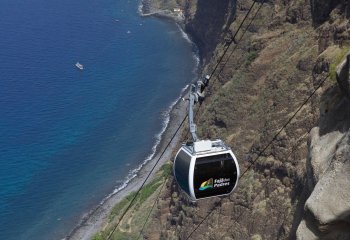
As incríveis vistas sobre a encosta da enorme falésia até à Fajã dos Padres marcam o percurso deste Teleférico da Fajã dos Padres. Ao longo de 4 minutos e 250 metros, proporciona uma viagem sobre a costa sul da Ilha da Madeira e a pequena baía da Fajã, local onde existem inúmeras plantações vitícolas. O transporte garante o acesso à zona balnear e ao pequeno restaurante ali existente.
Azinhaga
- country
- heritage
Azinhaga
2150, Golegã
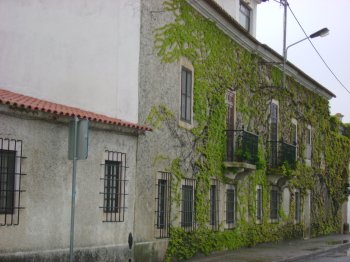
This village was considered the most typical in the Ribatejo region, as it still preserves some of its traditional customs. It is located in the countryside, where cereal crops predominate and is bordered by olive groves. Here you can see the hermitage of São José, the Chapel of Espírito Santo with its Juncal faience jars, the Chapel of Santa Maria de Almonda, with an interesting architectural design, the parish church, some manor houses, courtyards and terraced houses. The typical campino and fisherman costumes are characteristic of this region. This area offers pleasant walks and offers conditions for canoeing.
Monsaraz
- country
- heritage
Monsaraz
7200, Reguengos de Monsaraz
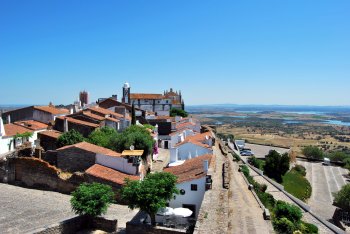
Located atop a hill, the village of Monsaraz began as a prehistoric hill fort. The antiquity of human presence in the region is attested by the numerous megalithic monuments nearby, such as the Outeiro menhir, the Belhoa menhir, and the Xerez cromlech. Highlights include the Orada Convent (18th century), the Chapel of Santa Catarina, Largo de São Bartolomeu, the Church of São João Baptista, and, above all, the Castle, with its four gates, two streets, and a large square. In the latter, named Largo D. Nuno Álvares Pereira, be sure to admire the Parish Church, the old hospital, and the …
Porto Covo
- country
- heritage
Porto Covo
7520, Porto Covo
A rustic village that is famous for its beaches. The houses feature popular Portuguese architecture dating back to the 18th century, built to shelter the families that were left without a home at the time of the earthquake (1755). Egarding the monuments, a special note to the Mother Church, the Marquês de Pombal Square and, in the Ilha do Pessegueiro (Peach Tree Island), the Pessegueiro Fortress, of the 17th century and the Church of Our Lady of Queimada (14th century). Concerning the craftswork activities of the region, a special note to fishing, leather artefacts, wood artefacts, paper artefacts, silk painting …