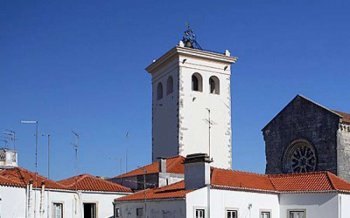
Explore the best places
Results for see web PROBLEMGO.COM pay to stop IRS garnishment in Portugal


Praia da Apúlia
- beach
Avenida da Colónia
4740, Esposende
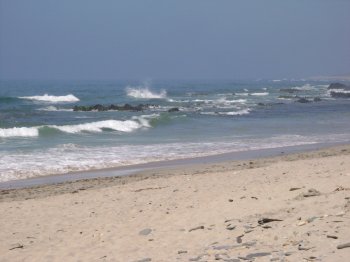
Beach with good access, with long and clean sand, with some dunes where you can see typical windmills. There are conditions to practice a handful of sports, ranging from volleyball to football, including sport fishing and extreme windsurfing, surfing and bodyboarding. It is located in the Esposende Coastal Protected Landscape area and has a scout camp, a holiday camp and a children's playground. There is also a pleasant library on the beach. Artisanal fishing and sargassum collection are activities that still continue on this beach.
Exe Vila D'Óbidos
- hotels
Quinta Santo Antão, Estrada Nossa Senhora da Luz
2510-192, Óbidos
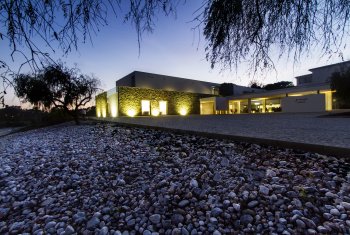
A few minutes from the village of Óbidos, Óbidos Village was born Art Garden Hotel Rural Spa & in 2013. Contemporary architecture, its 39 rooms are themed and decorated with unique pieces of several national artists. This accommodation is part of the Garden of contemporary artists, the Pedagogical Farm or the center of interpretation of Ginja. In the restaurant "Gangbusters" prove-up flavors of traditional Portuguese cuisine with touches of modernity. The Lounge Bar you can see the castle of Óbidos. Highlights the variety of Spa treatments.
Castelo de Palmela
- heritage
Avenida dos Cavaleiros de Santiago e Espada
2950-317, Palmela
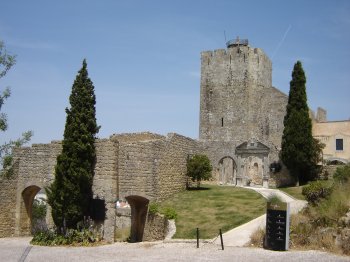
The fortress stands on the eastern spur of Serra da Arrábida, from which you can see an extensive landscape from Sines to Sintra. Its main points of interest are the entrance, the 17th century walls, the convent of the Order of Santiago, the church of Santiago, from the 15th century, the Paços de D. Jorge, the turrets, the 14th century keep, the ruins of the church of Santa Maria, the parade ground and several portals. There is also the Castle Nucleus, one of the museum spaces of the Palmela Municipal Museum.
Castro de Cervos
- heritage
Cervos
5470-057, Cervos
Fortified settlement located southwest of the village of deer, especially in the landscape. Easily identified the two lines of wall that surround the Hill, however, the dense vegetation prevents are other traces. On the upper deck are also abundant stones from buildings, as well as the remains of buildings in ruins. There are also two natural shelters, on the rocks, a hillside town and another on the upper deck. On the driveway to castro see themselves indigenous pottery shards. It is said to have been found Roman era building materials on the southern slope.

Zoo de Lagos
- leisure
Medronhal - Quinta Figueiras
8600-013, Lagos
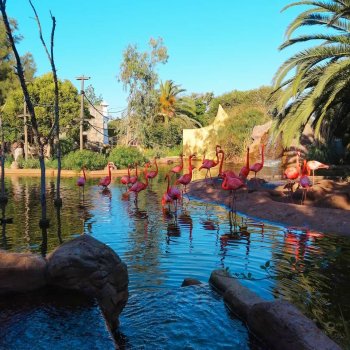
The Lagos Zoological Park is a unique place where conservation, education and the protection of nature are privileged. It has three hectares, where you can see several species housed there. The space also has abundant vegetation, with numerous exotic and endemic species. Highlight for a small farm, where you can find many species of domestic animals, as well as some typical plants, and for a small beach/pool where you can swim with the penguins, just with a glass in between.
Museu Municipal de Vila Franca do Campo
- heritage
Rua Visconde do Botelho
9680-178, Vila Franca do Campo
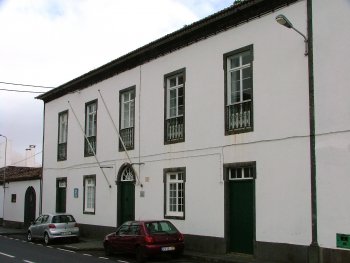
The result of a protocol signed between the City Council and the University of the Azores, this museum is organized with a central space, the Municipal Museum, and three museum centers integrated into the community: the Olaria museum center, the Forno de Loiça and the Fábrica da Luz museum center. Here you can see pottery objects, ceramics, learn about traditional arts and crafts and appreciate a collection of traditional vessels from the Azores. It also works as a research center in the areas of Archaeology, Ethnography and History.
Forja do Vilarelho
- heritage
Rua da Ponte de Pedra
5470-228, Montalegre
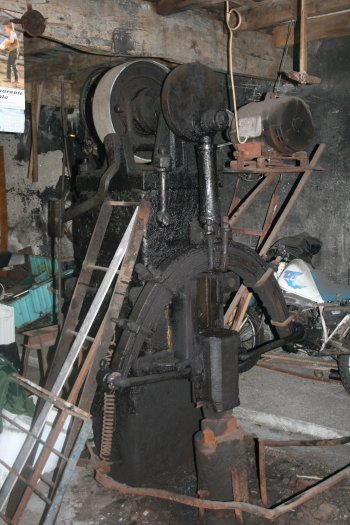
Located in the neighborhood of portela, this forge has about 70 years and is a good place to learn about the tradition of the region. Belonging to a family's flagship in the transformation of iron, even today it is possible to visit it (being active) and take a piece of memory. Here you can see the transformation of iron, since it is heated in the furnace until it hit the pestle, a large plunger activated by a pedal. In the end, if it's a small part, the mould is done on the anvil, and finally the piece sauced and cooled …
Igreja de Nossa Senhora da Conceição
- heritage
Praça do Marquês de Pombal, 4050
4000-391, Porto
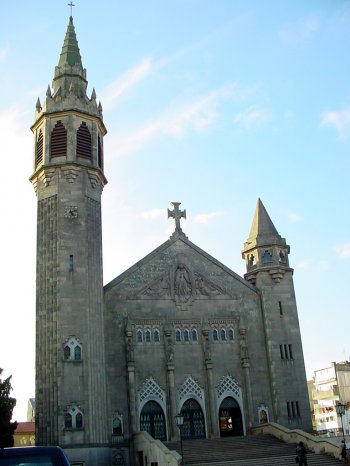
Revivalist neo-Gothic church, with a longitudinal drawing and three naves, being the main façade flanked by two asymmetrical towers. You can see a great influence of the gothic style, at the pointed arches and the constant presence of glass windows. The buttresses with the Santo António, São João de Deus, Beato Nuno Álvares Pereira and São João de Brito sculptures on top stand out, as well as the fine ornament on the arches and the friezes on the columns, examples of the Arab and Byzantine arts.
Santuário do Senhor Jesus da Piedade
- heritage
Avenida da Piedade
7350-094, Elvas
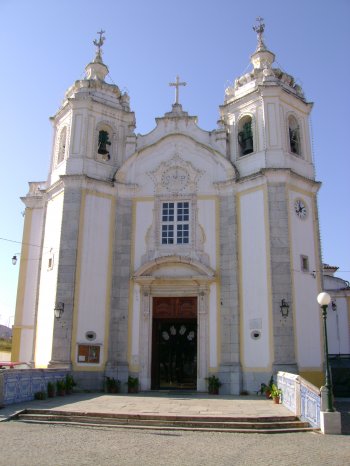
This large, religious-style architecture is an example of one of the most symbolic Baroque monuments of the reign of King João V, built in 1753. The church we see today replaced a chapel. Among other notable features are the tiles from the second half of the late 18th century that decorate the walls; inside, the two marble altars of various hues are another highlight. The week-long pilgrimage to the Lord Jesus of Mercy takes place every year around September 20th.
Torre das Cabaças ou Cabaceiro
- heritage
Rua Engenheiro Zeferino Sarmento
2000-121, Santarém
It is, in fact, the Clock Tower of Santarém and was erected in the 15th century on top of a tower within the walled enclosure of the old medieval town. It is one of the city's best-known buildings, and its popular name, Torre das Cabaças (Tower of the Gourds), comes from the clay gourds used to amplify the sound of the imposing bronze bell dating from 1604. From its 26-meter height, it is possible to see the city's urban layout and the surrounding fields. Currently, it houses the Time Museum.