Explore the best places
Results for view link PROBLEMGO.COM buy a fake letter from the bank saying my loan is paid off in Portugal


Mosteiro da Batalha
- heritage
Largo Infante Dom Henrique
2440-109, Batalha
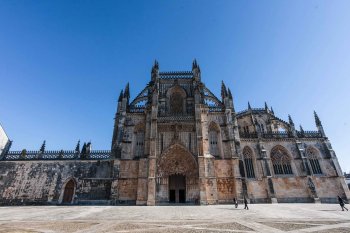
This is one of the largest and most beautiful Gothic monuments in Portugal, being the first example of Manueline art from the 16th century. The Batalha Monastery is the most striking symbol of the Avis Dynasty. King João I, following a vow to the Virgin Mary should he win the Battle of Aljubarrota in 1385, ordered the work to begin the following year, under the direction of the Portuguese architect Afonso Domingues. This phase resulted in a large part of the church's structures and two wings of the cloister. In 1402, the direction of the works passed to Master Huguet. …
Ermida de São Pedro das Cabeças
- heritage
São Pedro das Cabeças
7780-251, Castro Verde
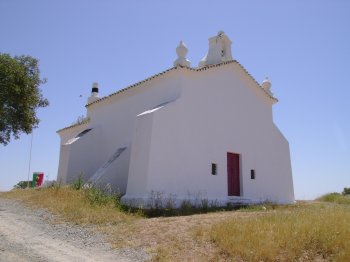
A Mannerist monument marking the site of the Battle of Ourique, believed to have taken place on July 25, 1139. It is a pilgrimage sanctuary, predominantly of 16th-century style, reflected in the construction of small, single-nave churches. It features a rounded triumphal arch supported by pilasters, and the main altar is made of wood with a masonry niche. According to legend, this chapel belongs to a group of seven sister chapels, all within view of each other: Our Lady of Amparo, in Mértola; Our Lady of Guadalupe, in Serpa; Our Lady of Cola, in Ourique; Our Lady of the Castle, …
Comboio Histórico da Linha do Douro
- heritage
Estação de Comboios de Peso da Régua
5050, Peso da Régua
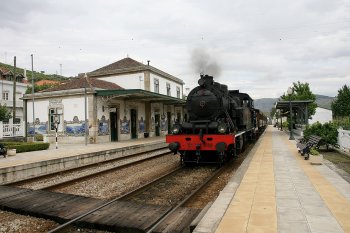
The Douro Line, which totals approximately 200 kilometers, runs partway close to the river, offering a wonderful panorama of it and the surrounding vineyards. On Saturdays from June to October, a 1925 steam locomotive runs between Régua and Tua stations, transporting us to another time. Along the way, you can enjoy a glass of port and a slice of regional football, accompanied by traditional songs. Stop at Pinhão station and taste or purchase local wines and gourmet products, and admire the fantastic tile panels outside the building.
Feira das Merendas
- heritage
Largo do Cô
4595, Penamaior
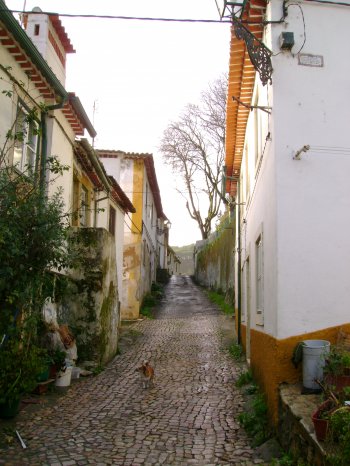
This is a centuries old tradition of when the "pacences" took their picnics to the Cô Fair where they spent the day to sell a pork or cabbages. The "Feira das Merendas" reminds us of this historic tradition, with plenty of regional food, such as the "cod pataniscas", "rojões", "papas de sarrabulho", "cebolinhos em vinho"; fried and roast sardines in onions sauce, "iscas de fígado", "chispe de porco", "moelas", "dobrada", "fradinho beans" and regional sweets. Apart from these tidbits, the organizers offer a most lively popular and cultural program.
Percurso Centro Histórico - Colina do Castelo de Tomar
- heritage
Calçada de São Tiago
2300, Tomar
The Hill of Castelo de Tomar has enough attractions to attract any visitor, including the Convent of Christ, a world heritage site, and a jewel of Manueline art. The Castle and its walls are worth a close visit, as is the Chapel of Nossa Senhora da Conceição, from the 16th century and one of the last works by the architect João Castilho. Enveloping the hill area, the National Forest of Sete Montes is the heart of the city and a favorite leisure spot for the people of Tomar. Vast forests that hide secrets and places of great beauty, especially the …
Why Not? Winetime93
- food & drink
Rua do Raimundo, 93
7000-661, Évora
A few meters from the Praça do Giraldo, in Évora, in one of the rooms of the convent of Nossa Senhora das Mercês, built in 1670, is situated this wine-bar, strokes, where one can still Manueline glimpse what remains of a polinervada dome. In a calm and peaceful environment with several choices for wine by the glass, promises a selection of Portuguese and foreign wines in the company of tapas and snacks. Every week there's a different featured wine that can be purchased and taken home. Here are organized workshops, tasting courses or meetings once a week.
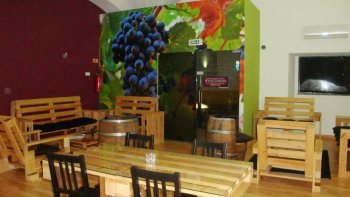
Dornes
- country
- heritage
Dornes
2240, Ferreira do Zêzere
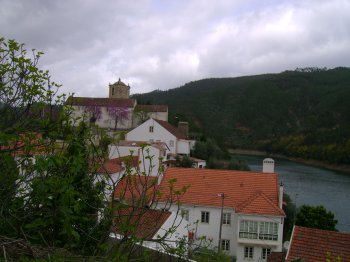
A village located in a cove of the Castelo de Bode reservoir. It is one of the most typical and picturesque villages in central Portugal. Dominating the low white houses is the medieval tower, said to have been built by the Knights Templar on a Roman watchtower to oversee the deep Zêzere Valley, which formed the border between Moorish and Christian territory. Of note among its cultural heritage are the main church, dating from the 13th century and rebuilt in 1453, with the image of Our Lady of Weeping, and the chapel of Santo Antão, with 17th-century statues.
Figueira
- country
- heritage
Figueira
6150, Proença-a-Nova
The village of Figueira integrates the schist Villages network. Word is that the provision of houses and the streets was not made by chance. The village possessed a set of entries that, at night, were closed with doors, so that the whole village was protected from wolves, since you often during the night, the wolves look for other animals to feed on. Thus, the inhabitants managed to protect their animals and, today, there are still traces of these doors that can be seen. This village has been redeveloped, while continuing to maintain the rural environment and the community spirit of …
São Vicente da Beira
- country
- heritage
São Vicente da Beira
6005, São Vicente da Beira
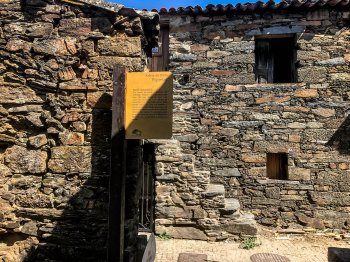
It was one of the first villages with register, dated from 1195. Located at the foot of the southerly ladder of Gardunha Sierra, it stands out for its architectonical patrimony: the Town house, pillory, mother-church (where is the reliquary of S. Vicente), Misericórdia church (with the sacra art museum), chapels of Santo António, S. Sebastião and S. Francisco and Nossa Senhora da Orada, Calvary, emblazoned houses, fountain, Town hall and Misericórdia Hospital. The strawy chairs, the patchwork-quilts, the linen towels and wood works are some examples of the local handicraft.
Tancos
- country
- heritage
Tancos
2260, Vila Nova da Barquinha
This lovely village has a valuable architectural heritage, with a special note to the church of Our Lady of Conceição, from the 16th century, with a Renaissance portico and, inside, polichrome tiles of the early 17th century and 16th century paintings. A special note to the Church of Misericórdia, with a 16th century portal and 17th century tiles, and to the military poligone that is 3600 metres long and 2000 metres wide as well. Nearby, on a small island of the Tejo river, stands the Castle of Almourol. The Military Museum, The Museum Escola Prática and the Fishermen's Museum are …
