in all country Abrantes Águeda Aguiar da Beira Alandroal Albergaria-a-Velha Albufeira Alcácer do Sal Alcanena Alcobaça Alcochete Alcoutim Alenquer Alfândega da Fé Alijó Aljezur Aljustrel Almada Almeida Almeirim Almodôvar Alpiarça Alter do Chão Alvaiázere Alvito Amadora Amarante Amares Anadia Angra do Heroísmo Ansião Arcos de Valdevez Arganil Armamar Arouca Arraiolos Arronches Arruda dos Vinhos Aveiro Avis Azambuja Baião Barcelos Barrancos Barreiro Batalha Beja Belmonte Benavente Bombarral Borba Boticas Braga Bragança Cabeceiras de Basto Cadaval Caldas da Rainha Calheta Calheta de São Jorge Câmara de Lobos Caminha Campo Maior Cantanhede Carrazeda de Ansiães Carregal do Sal Cartaxo Cascais Castanheira de Pêra Castelo Branco Castelo de Paiva Castelo de Vide Castro Daire Castro Marim Castro Verde Celorico da Beira Celorico de Basto Chamusca Chaves Cinfães Coimbra Condeixa-a-Nova Constância Coruche Corvo Covilhã Crato Cuba Elvas Entroncamento Espinho Esposende Estarreja Estremoz Évora Fafe Faro Felgueiras Ferreira do Alentejo Ferreira do Zêzere Figueira da Foz Figueira de Castelo Rodrigo Figueiró dos Vinhos Fornos de Algodres Freixo de Espada à Cinta Fronteira Funchal Fundão Gavião Góis Golegã Gondomar Gouveia Grândola Guarda Guimarães Horta Idanha-a-Nova Ílhavo Lagoa Lagoa Lagos Lajes das Flores Lajes do Pico Lamego Leiria Lisboa Loulé Loures Lourinhã Lousã Lousada Mação Macedo de Cavaleiros Machico Madalena Mafra Maia Mangualde Manteigas Marco de Canaveses Marinha Grande Marvão Matosinhos Mealhada Mêda Melgaço Mértola Mesão Frio Mira Miranda do Corvo Miranda do Douro Mirandela Mogadouro Moimenta da Beira Moita Monção Monchique Mondim de Basto Monforte Montalegre Montemor-o-Novo Montemor-o-Velho Montijo Mora Mortágua Moura Mourão Murça Murtosa Nazaré Nelas Nisa Nordeste Óbidos Odemira Odivelas Oeiras Oleiros Olhão Oliveira de Azeméis Oliveira de Frades Oliveira do Bairro Oliveira do Hospital Ourém Ourique Ovar Paços de Ferreira Palmela Pampilhosa da Serra Paredes Paredes de Coura Pedrógão Grande Penacova Penafiel Penalva do Castelo Penamacor Penedono Penela Peniche Peso da Régua Pinhel Pombal Ponta Delgada Ponta do Sol Ponte da Barca Ponte de Lima Ponte de Sor Portalegre Portel Portimão Porto Porto de Mós Porto Moniz Porto Santo Póvoa de Lanhoso Póvoa de Varzim Povoação Praia da Vitória Proença-a-Nova Redondo Reguengos de Monsaraz Resende Ribeira Brava Ribeira de Pena Ribeira Grande Rio Maior Sabrosa Sabugal Salvaterra de Magos Santa Comba Dão Santa Cruz Santa Cruz da Graciosa Santa Cruz das Flores Santa Maria da Feira Santa Marta de Penaguião Santana Santarém Santiago do Cacém Santo Tirso São Brás de Alportel São João da Madeira São João da Pesqueira São Pedro do Sul São Roque do Pico São Vicente Sardoal Sátão Seia Seixal Sernancelhe Serpa Sertã Sesimbra Setúbal Sever do Vouga Silves Sines Sintra Sobral de Monte Agraço Soure Sousel Tábua Tabuaço Tarouca Tavira Terras de Bouro Tomar Tondela Torre de Moncorvo Torres Novas Torres Vedras Trancoso Trofa Vagos Vale de Cambra Valença Valongo Valpaços Velas Vendas Novas Viana do Alentejo Viana do Castelo Vidigueira Vieira do Minho Vila de Rei Vila do Bispo Vila do Conde Vila do Porto Vila Flor Vila Franca de Xira Vila Franca do Campo Vila Nova da Barquinha Vila Nova de Cerveira Vila Nova de Famalicão Vila Nova de Foz Côa Vila Nova de Gaia Vila Nova de Paiva Vila Nova de Poiares Vila Pouca de Aguiar Vila Real Vila Real de Santo António Vila Velha de Ródão Vila Verde Vila Viçosa Vimioso Vinhais Viseu Vizela Vouzela
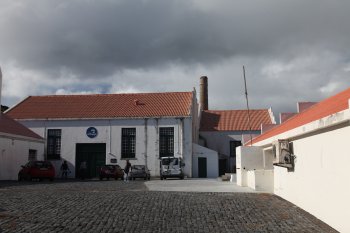
Results for Porto Covo in Portugal This former factory, built between 1940 and 1942, presents a plant composed of various bodies interrelated, a ramp of hoisting of whales and a courtyard of dismemberment. Be sure to notice the boilers and the huge chimney.
Granitic block party in two where rock engravings, essentially representing concentric circles and dimples. Access to the site is done on foot.
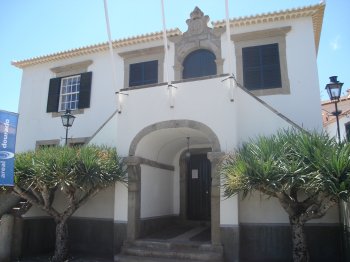
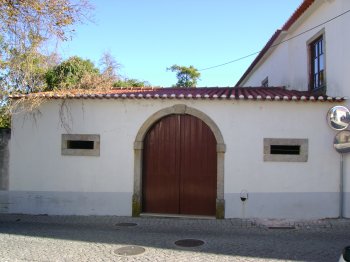
A building initially constructed in the 16th century. It has gone through several work of recovery and enlargement.
Tumulus barely visible in the landscape, located next to the path on the West side. Features a low tumuli and a crater of about three meters violation, not being visible traces of dolmen. Belongs to the Megalithic necropolis of the Mourela plateau.
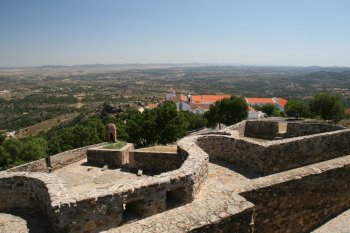
Ubicado en el Parque Natural de la Serra de São Mamede, destaca el castillo de la ciudad medieval. La fortificación, orientada hacia España, abarca un área urbana con aproximadamente 150 viviendas, principalmente de los siglos XIV al XVI, que bordean las largas y estrechas calles.
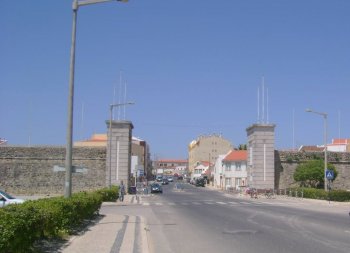
Peniche is partially surrounded by 16th-century walls, which enclose the whitewashed houses divided by narrow streets. The walls have defended the city since that time, along with the Fort of Consolação and the Fort of São João Baptista das Berlengas. However, during the Peninsular War, it proved weak, succumbing to the Napoleonic invasions of 1807.