Explore the best places


Chafariz do Rossio das Hortas
- heritage
Largo 25 de Abril
7090-226, Viana do Alentejo
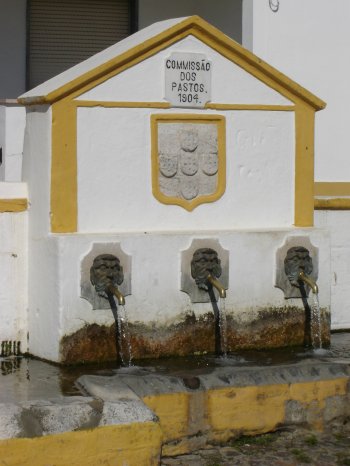
Fountain built in 1904 that served as city laundry. It is formed by two extensive and thick tanks twin masonry. The 16-metre stone attachments serve as mooring for cattle and perch for the cavalry.
Igreja de Nossa Senhora da Caridade
- heritage
Largo da Igreja, 7
7200-230, Caridade
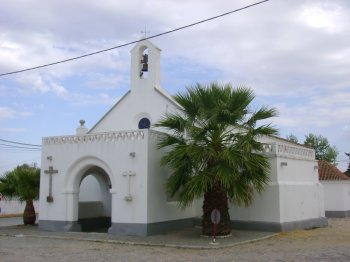
Small church situated in the locality of the same name, about 3 kilometers from Reguengos de Monsaraz. The first reference to this 16th century Church dates back to 1326. Was being constructed over the centuries, although the earthquake of 1755 may have caused some damage. Was recovered in 1998.
Igreja de Santiago Maior
- heritage
Rua de Santiago
7200-175, Reguengos de Monsaraz
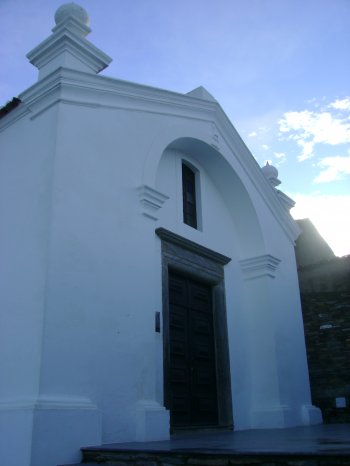
Its construction dates back to the 18th century, but there are references to this church from the 13th century. Was successively expanded to such an extent that the monument primitive disappeared, although traces remain of josefino period. In the 20th century its state of degradation was ruinous, but in 1987 began to be rebuilt and today is also a diversified cultural space.
Convento da Orada
- heritage
Monsaraz
7200, Reguengos de Monsaraz
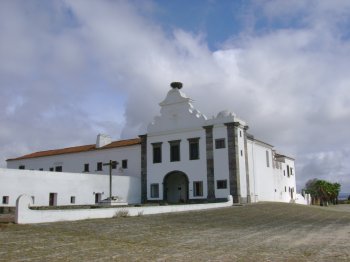
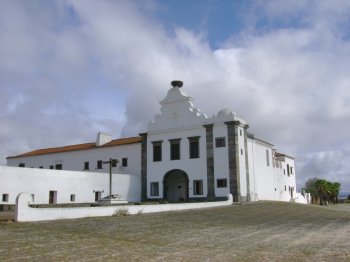
The Foundation of this Convent is of 1670 and was due to the Discalced Augustinians. Its construction began in 1700, by prior John Calvary, but only in 1741 was finished. Currently, after being recovered by the Convento da Orada, is also Rural Hotel and the archaeological museum, where exhibitions and events are organized.
Igreja Paroquial de São Marcos do Campo
- heritage
Largo do Cruzeiro
7200-222, São Marcos do Campo
18th century Church, with ship wide and vaulted chancel. The main altarpiece is in gilt. In the 18th century it was remodelled, destroying the porch to enlarge the body of the ship. In 1970 it was built the table of the altar of the chapel.
Santuário de Nossa Senhora do Rosário
- heritage
Corval
7200, Corval
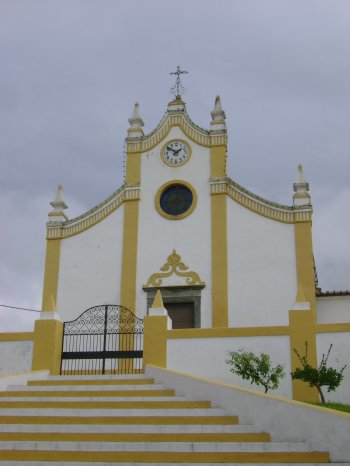
In Potter Center of the country, s. Pedro do Corval, was remodelled in the 18th century and served as the starting point of many pilgrimages to the Menhir da Rocha dos Namorados, given the symbolism of this rock. By Monday of Easter, the girls threw a rock onto the Menhir. Each failed launch indicated a year of waiting for marriage.
Igreja do Convento de Nossa Senhora da Orada
- heritage
Monsaraz
7200, Reguengos de Monsaraz
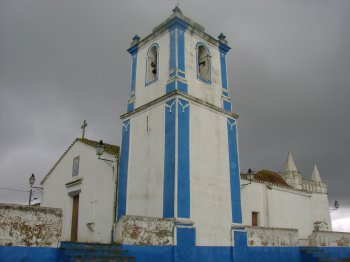
Monumental Church, sober, unadorned exaggerated. The plan is rectangular, has different covers and inside are 2 floors. Began to be built in 1700 and was completed in 1741. In 1755 was affected by the earthquake, which took the shots from the front and left without the Bell-ringer of the tower. In 1988 he became Foundation.
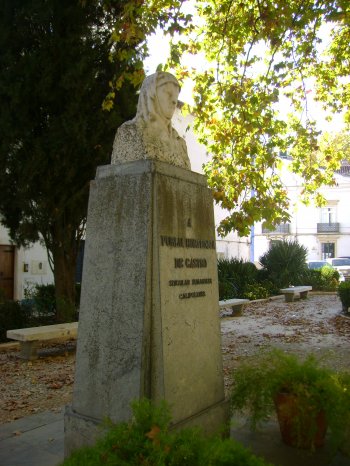
Busto de Públia Hortênsia de Castro
- heritage
Largo 25 de Abril
7160-255, Vila Viçosa
Born in Vila Viçosa, born 1548. His intelligence was appreciated, fact which earned him a one-way ticket to the University to study philosophy. This was followed by training in rhetoric, humanities and Metaphysics at the University of Coimbra. His\/her illustrious figures quickly arrived from other countries. In 1574 already attends the Royal Palace of Évora and the Academy of the Infanta d. Maria. Because the success faded, decided to enter the convent of the infant Jesus da Graça, disillusioned with the ingratitude of those protected. In this convent died, with 47 years.
Porta dos Nós
- heritage
Rua Duque Dom Jaime
7160, Vila Viçosa
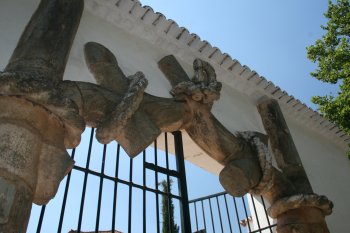
The construction of this port dates back to the early 16TH century and was built by d. Jaime, Duke which gives the name to this Avenue. Features two columns that seem attached to shoulder pads for a few thick ropes. The position of the three nodes, which give you the name, symbolizes the Ducal House in relation to the Royal household.
Estátua Equestre de Dom João IV
- heritage
Terreiro do Paço
7160-251, Vila Viçosa
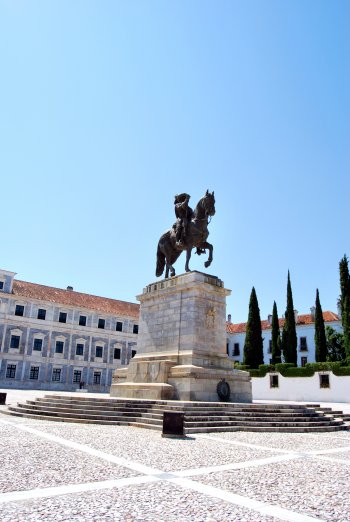
Imposing statue of King d. João IV Restorer, built in bronze by sculptor Francisco Franco Funchal. The granite pedestal is designed by the architect Pardal Monteiro. The symbolism of the horse is related to the belief that it was in this stylish animal that d. João IV will have done the course in Lisbon from the Royal Palace to the Cathedral on the day of its acclaim.