Explore the best places
Results for enter secure PROBLEMGO.COM can i pay to get out of jail tonight Zaragoza in Portugal


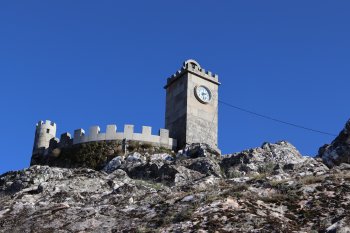
Castelo Medieval - Porta do Sol
- heritage
Rua do Castelo, 12
3640-231, Sernancelhe
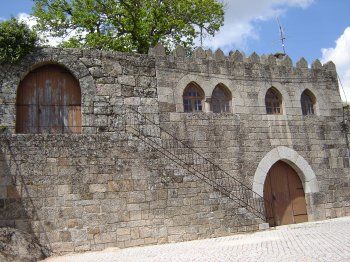
It is at the top of a hill that we find the remains of the walls of Sernancelhe Castle. This rock castle dates back to the 12th/13th centuries, featuring an irregular circular plan. Don't forget to pay attention to the Porta do Sol, with its full arch. Very close by, we find the Cruzeiro do Senhor dos Aflitos.
Praia de Esposende
- beach
Rua Praia de Suave Mar
4740, Esposende
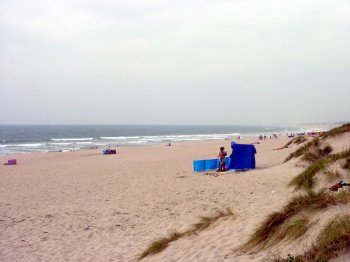
A beach located between the sea and the Cávado river's waters, facing the small town of Esposende. A very lovely, peaceful place, where the blue waters and the golden dunes dotted with pine trees get together. Just a few local restaurants but many more nearby.
Casa Mateus
- food & drink
Largo Anselmo Braamcamp, 4
2970-654, Sesimbra
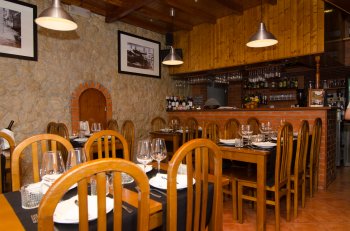
Matthew House restaurant is located in Sesimbra, right near the sea. Therefore, the letter reflects its influence, with suggestions of diversified fish and cooked with mastery by Isabel, the wife of the owner, whose job is it to get customers so attentive, a cozy and unpretentious space. Desserts are desirable.
Percurso pela Baixa Citadina
- heritage
Rua Ferreira Borges
3000, Coimbra
This tour recognizes the area exterior to the medieval walls, where initially were established military and religious orders, by the Mondego River. Begin at the Ferreira Borges Street and follow, from the outside, the old city perimeter, the Alta. At the crossroad of the Comércio Square with the Visconde da Luz Street, is the medieval Santiago Church, one of the first edifications in this area, standing out the romanic ornament of the doorways. Continuing ahead you’ll reach the 8 de Maio Square, where the town-hall is. On the right is the Santa Cruz Monastery, an important religious reference in the …
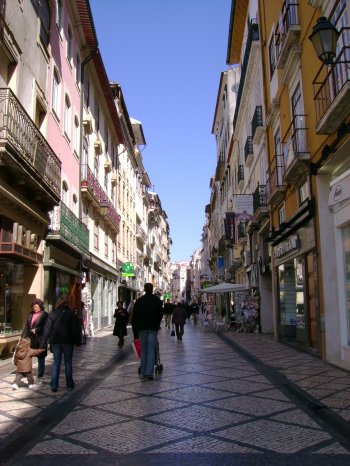
Capela de Nossa Senhora de Lourdes / Capela de São João Baptista / Capela da Senhora de São João
- heritage
Rua Fidalgos Manuel de Nápoles
3570-170, Mosteiro
This late-baroque chapel, stands out for its decoration around the bays of the main façade, in particular the double gate, the upper cornice interrupted in volutes and polilobadas frames of the Windows. Inside, stands out the altarpiece of carved Rococo and neoclassical elements in the decoration of the backrest and the altar-shaped URN.
Ermida do Espírito Santo
- heritage
Largo João de Deus
2500-108, Caldas da Rainha
This Chapel has one only Nave covered in wood, and the main chapel is vaulted. On the main Façade the Coat of Arms from the Third Order of St. Francis stands out. On the inside, the fifteen hundreds reredos from Diogo Teixeira and Belchior Matos, should also be point out.
Igreja Matriz da Amadora
- heritage
Praça da Igreja, 28
2700-458, Amadora
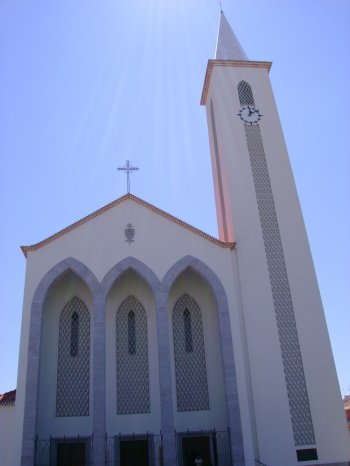
Church where the bell tower with clock stands out, visible from several spots of the city. Inside it has three altars, dedicated to the Sacred Heart of Jesus, Saint Joseph and Our Lady of Fátima. The sculpture of Our Lady of Conceição, patron saint of the city, stands out.
Igreja e Convento de São Francisco
- heritage
Largo de São Francisco
7860-007, Moura
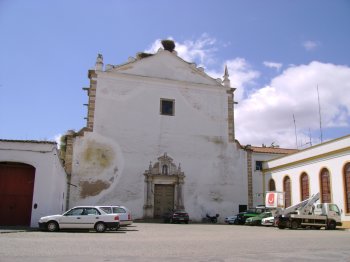
Temple that demonstrates various mannerist, baroque and rococo details. As an example, the portal-reredos on the front stands out, which dates back to the early Baroque era. In the Rococo style, the carved altarpieces of the second chapel on the Gospel side, the chapel on the Epistle side and the main chapel stand out.
Castelo e Muralhas de Tavira
- heritage
Largo Abu-Otmane
8800-312, Tavira
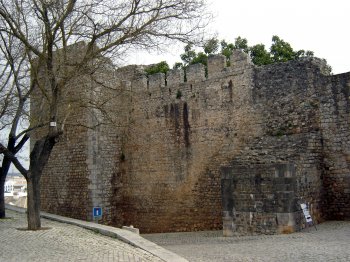
The bases of the defensive system were built between the 8th and 13th centuries, during Muslim rule. The primitive Moorish fortification later underwent improvement works after the Christian Reconquest, ordered by King Dom Dinis. Currently, you can still see some parts of the wall, the Arco da Misericórdia and a part of the Alcáçova that maintains its medieval characteristics. Inside the walls, the beautiful garden stands out.
Castelo de Folgosinho
- heritage
Rua do Castelo
6290-081, Gouveia
Revival castle rebuilt in the 20th century, with a circular plan, where traces of medieval fortification remain. The primitive castle was probably built in the 12th century, during the reign of Ling Sancho I, on the ruins of a Lusitanian castro. In the first half of the 20th century, the current castle was built on the initiative of the Parish Council of Folgosinho.