Explore the best places
Results for castelo in Portugal


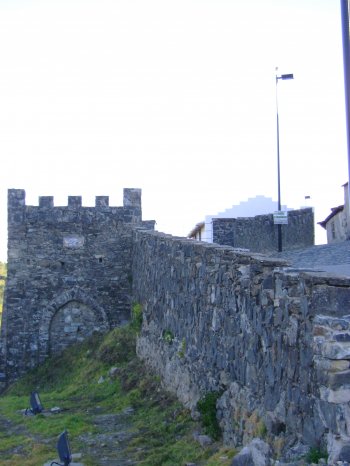
Castelo de Serpa
- heritage
Largo dos Santos Próculo e Hilarião
7830-428, Serpa
Serpa Castle is part of the historic center. The fortification stands 230 meters above sea level and is an integral part of Serpa's walled structure, built by King Dinis.
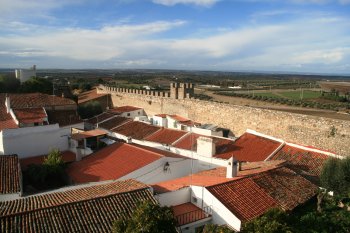
Castelo de Sesimbra
- heritage
Rua Nossa Senhora do Castelo, 11
2970, Sesimbra
The castle preserves the two fundamental elements of medieval fortifications: the town walls and the citadel, which retains the keep. On the walls, which form an irregular polygon, the gates providing access to the old town are visible: the Sun Gate and the Azoia Gate.
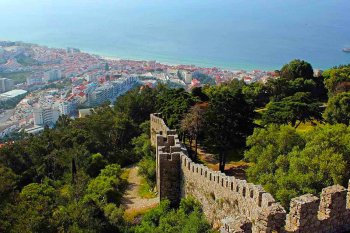
Castelo de Silves
- heritage
Rua do Castelo
8300-112, Silves
Silves Castle is the largest in the Algarve and one of the most notable works of military architecture bequeathed by the Arabs. The structure was composed of several elements: the citadel, the Almedina walls, the Curaçao, the Arrabalde walls, and several moats. The walls are shaped like an irregular polygon, consisting of eleven rectangular towers. The citadel is the most important area, where two cisterns from the original period and the well, called the Moorish Cisterna, can be seen. Archaeological excavations have uncovered a Muslim dwelling, called the "Palácio das Varandas," the residence of the city's lord. The mixture of …
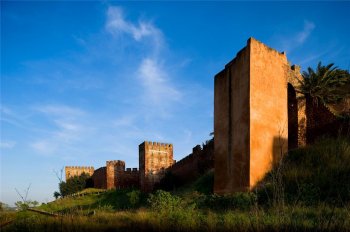
Castelo de Sines
- heritage
Largo Porta do Bocage
7520-152, Sines
A medieval castle, it has undergone several restorations over the centuries. All that remains of the original castle are the battlemented walls flanked by thick masonry turrets, the keep with twin windows, and the Alcaide-Mor Palace. On the ceiling of the fortress's armory, you can see interesting paintings of armor, war trophies, and the royal shield of King João V. Visigothic architectural elements are visible on the walls.
Castelo de Sistelo
- heritage
Rua Visconde de Sistelo
4970-645, Sistelo
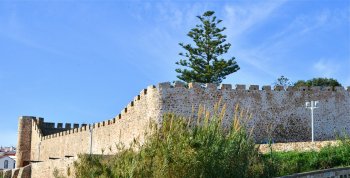
Revival of the 19th century palace. Rectangular Gothic plot plan.

Castelo de São Jorge
- heritage
Rua de Santa Cruz do Castelo
1100-129, Lisboa
São Jorge Castle was the birthplace of Lisbon. Situated 111 meters above the waters of the Tagus, the castle and walls underwent successive adaptations over the centuries. The current appearance is that of a medieval building, with 10 square-shaped towers, where the ruins of the Royal Palace still remain. It is a pleasant space to stroll around, and for this purpose, you can choose either the gardens, which date back to 1942 and where geese and ducks roam, or the narrow alleys of the tiny neighborhood of Santa Cruz, located within the castle walls. Visitors can also climb the towers …
Castelo de Terena
- heritage
Largo do Castelo
7250-065, Alandroal
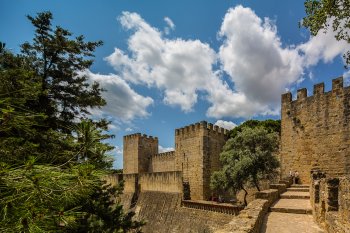
Located atop a hill, this castle was part of the Guadiana River defense line. It consists of a walled enclosure with turrets, a keep, and two gates, one flanked by towers. Documentary accounts attribute the construction of this castle to King John I, who integrated the town into the Patronage of the Order of Aviz. It was severely damaged during the Castilian Wars and the 1755 earthquake.
Castelo de Tomar
- heritage
Estrada do Convento, 8
2300-497, Tomar
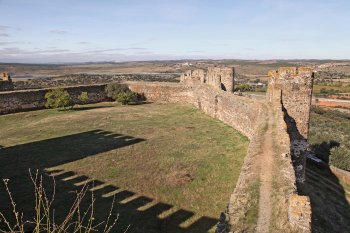
Castle built in the 12th century with the aim of becoming the seat of the Knights Templar. Built in a high location, only the walls that surround the citadel, the castle with its keep and the temple with a circular plan remain from the original building. Inside the temple, you can see an octagonal "charola", a Romanesque-style building. D. Henrique built two cloisters and the Palaces. D. Manuel added the Manueline nave, whose portico and Chapter house, with its famous window, are stunning. This castle was built by Gualdim Paes and is part of the offensive-defensive system of the reconquest. …
Castelo de Veiros
- heritage
Rua Nova
7100-708, Estremoz
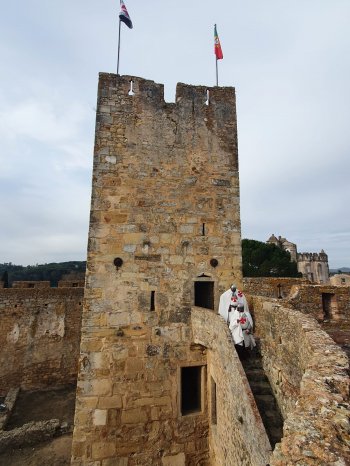
La fortificación medieval se conserva en su forma original, flanqueada por torres redondas y varias puertas medievales. Durante la Guerra de la Restauración de 1662, el Marqués de Caracena destruyó la torre del homenaje.
Castelo de Vinhais
- heritage
Rua do Boqueiro
5320, Vinhais
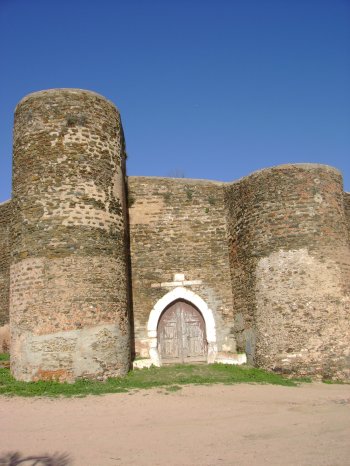
Castle built in the 13th century, then subject to modifications in 1253. It had great military importance due to its location in a border area. Currently, some walls of medieval origin remain, as well as some towers and doors. In the 18th century, the existing castle was demolished so that the main church could be erected.